
Off-Grid Beekeeping: A Sustainable Guide to Self-Sufficient Apiary Management
For off-grid beekeeping, durability and minimal maintenance are key. Top hive types include:
My Hive Choices for Off-Grid Beekeeping on 12 Acres in Tassie
For off-grid beekeeping, durability and minimal maintenance are key. Top hive types include:
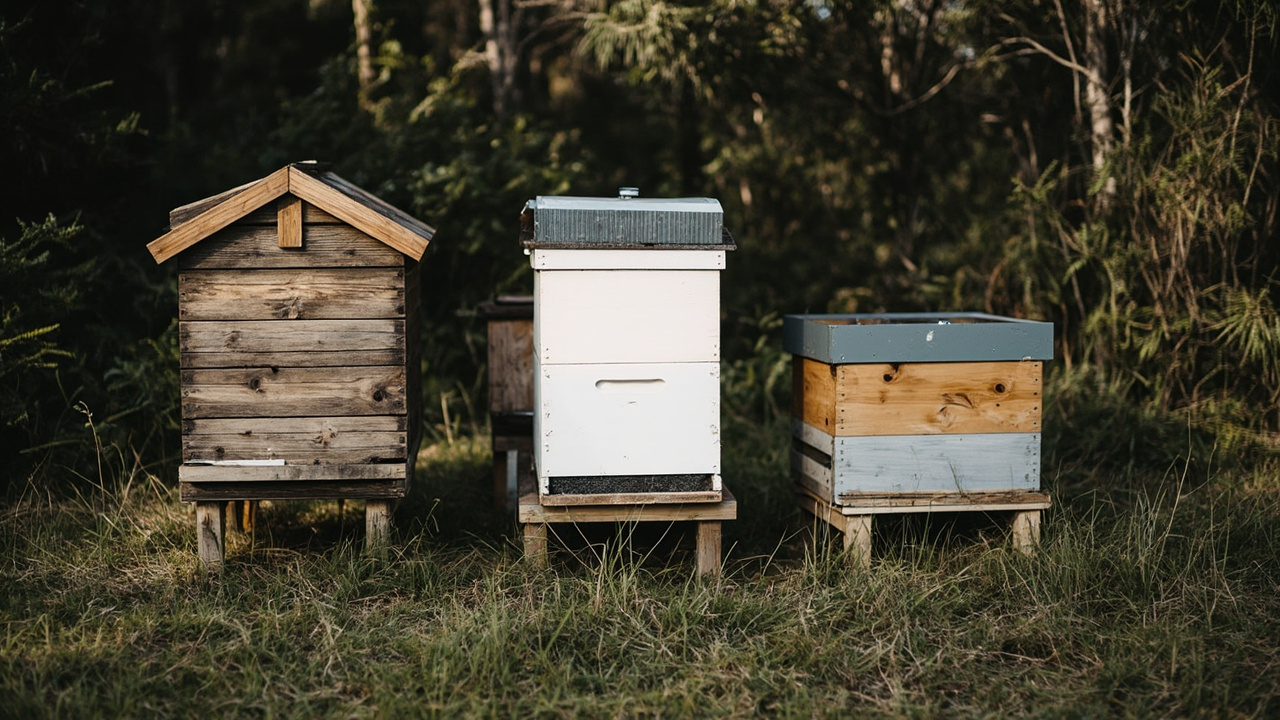
Langstroth Hives
Langstroth has been my hive of choice for years. The stackable boxes mean I can crack the brood nest for a quick inspection or lift out a single honey frame without rousing the whole colony. Same gear suits a beginner pulling their first frames as it does someone with decades of supers behind them.
Recommended Brand: Top Bar Hive (Sustainable wood construction)
Warre Hives
Designed to mimic natural bee habitats with vertical stacking. Requires no foundation and minimizes hive disturbance. Perfect for low-energy, natural beekeeping.
Recommended Brand: Beekeeping Depot Warre Hive Kit
Top-Bar Hive Management
Cost me a sheet of ply and some offcuts. That's my horizontal top-bar hive—no wax foundation, no wiring, no frames to assemble. The bees draw their own comb, which spares me a run to the supplier and gives them the autonomy to buil d what suits them. For off-grid work, this is the only logic that makes sense.
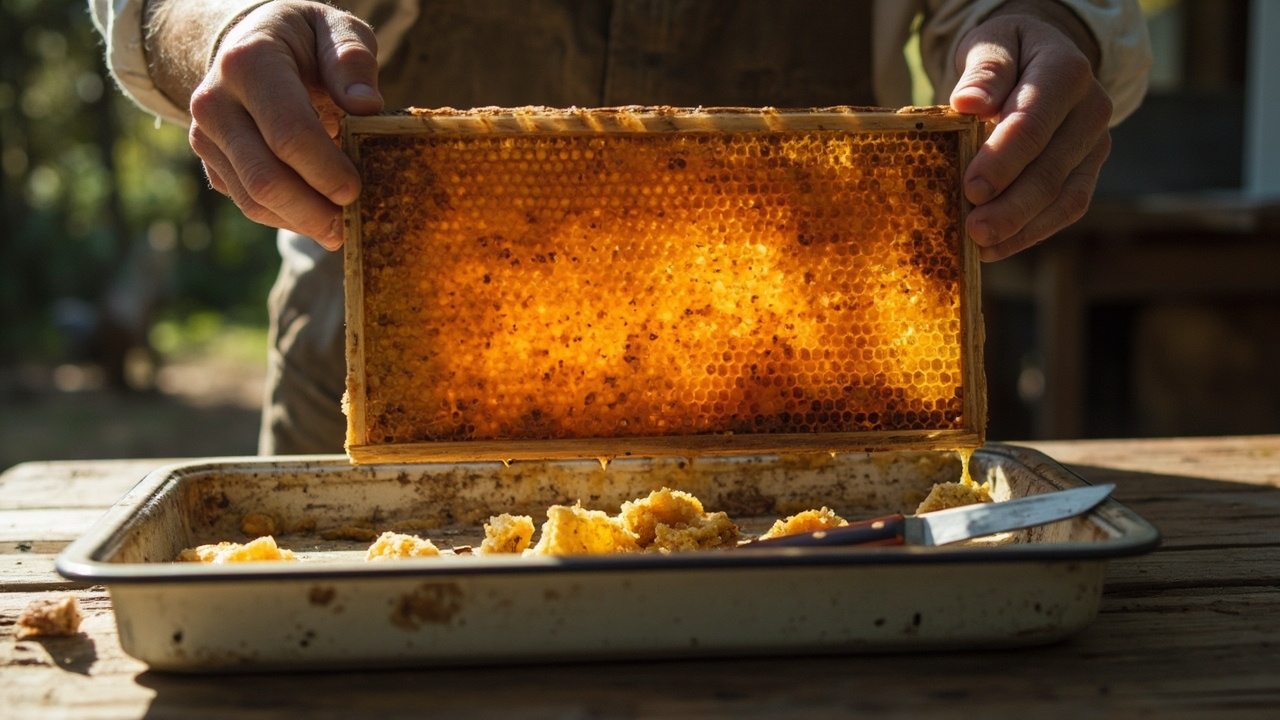
Recommended Brand: Dadant Top-Bar Hive
One Frame, No Extractor: My Low-Fuss Honey Pull
Harvest honey without electricity or complex tools using these methods:
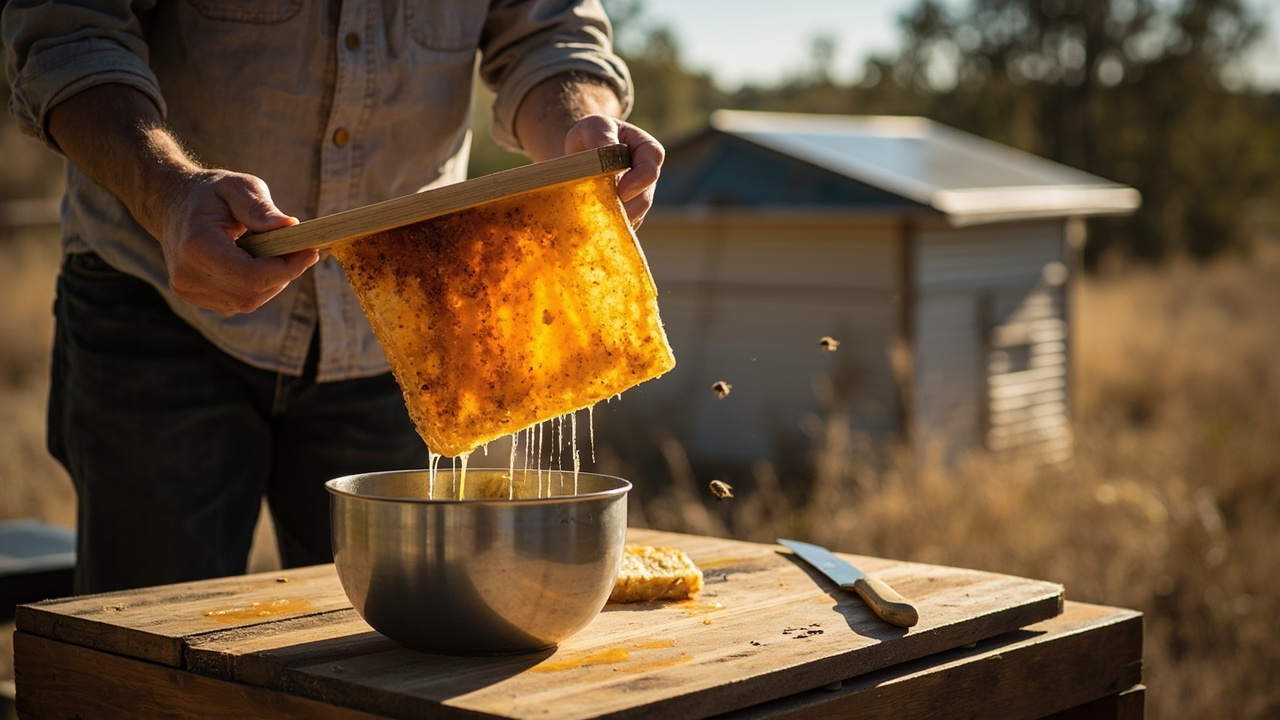
Hand-pulling frames: my go-to method
Use a hand-cranked extractor (no power needed) to spin honey from frames. Works perfectly with off-grid hives.
Recommended Tool: Beekeeping Depot Hand Crank Extractor
Cutting Comb from the Frames
Remove entire honeycomb sections and crush for raw honey. Requires minimal equipment and zero electricity.
Recommended Tool: Beekeeping Hive Tool Set
Timing the Apiary Year
Harvest only when honey supers are at least 80% full (late summer). Always leave 30-50lbs for bees' winter stores.
Strong Colonies, No Mains Power
Healthy bees are essential for sustainable off-grid operations. Focus on these natural approaches:
Chemical-Free Pest Management in the Apiary
Use oxalic acid vapor for mite control (non-toxic, no electricity needed) instead of chemical treatments.
Recommended Product: Beekeeping Depot Oxalic Acid
Requeening When the Brood Tells You To
Regularly replace queens every 18 months using natural swarming techniques to prevent colony collapse.
Recommended Tool: Queen Rearing Kit
The Forage Map of My 12 Acres
Plant native wildflowers within 1 mile of hives. Avoid monocultures that cause nutritional stress.
Hive Placement That Cut My Bees' Flight Time to the Veggie Beds
Off-grid hives excel at supporting local ecosystems through natural pollination:
Siting Hives for Sun, Wind, and Forage
Position hives near fruit orchards or vegetable gardens (within 2 miles). Bees pollinate 70% of global crops naturally.
Reading the Bloom Calendar for Stronger Colonies
Install hives in spring for early fruit bloom coverage. Monitor weather to avoid placing hives during heavy rain.
What a Few Hives Do to a Small Town
Out here, I figure each off-grid hive handles pollination across 300+ acres in a year. A good strong colony will give me 30-40 lbs of honey, and while it's doing that it's keeping roughly a million flowers fed and reproducing.
Recommended Resource: Beekeeping for Pollinators Guide
Worth a watch: Episode 5 - C. Scott Taylor (Bee keeping and Permaculture enthusiast) · Eco Convos with Dan