Guide · Shelter
Off-Grid Shelter & Construction
Innovative building methods for energy-efficient, sustainable, and affordable homes.
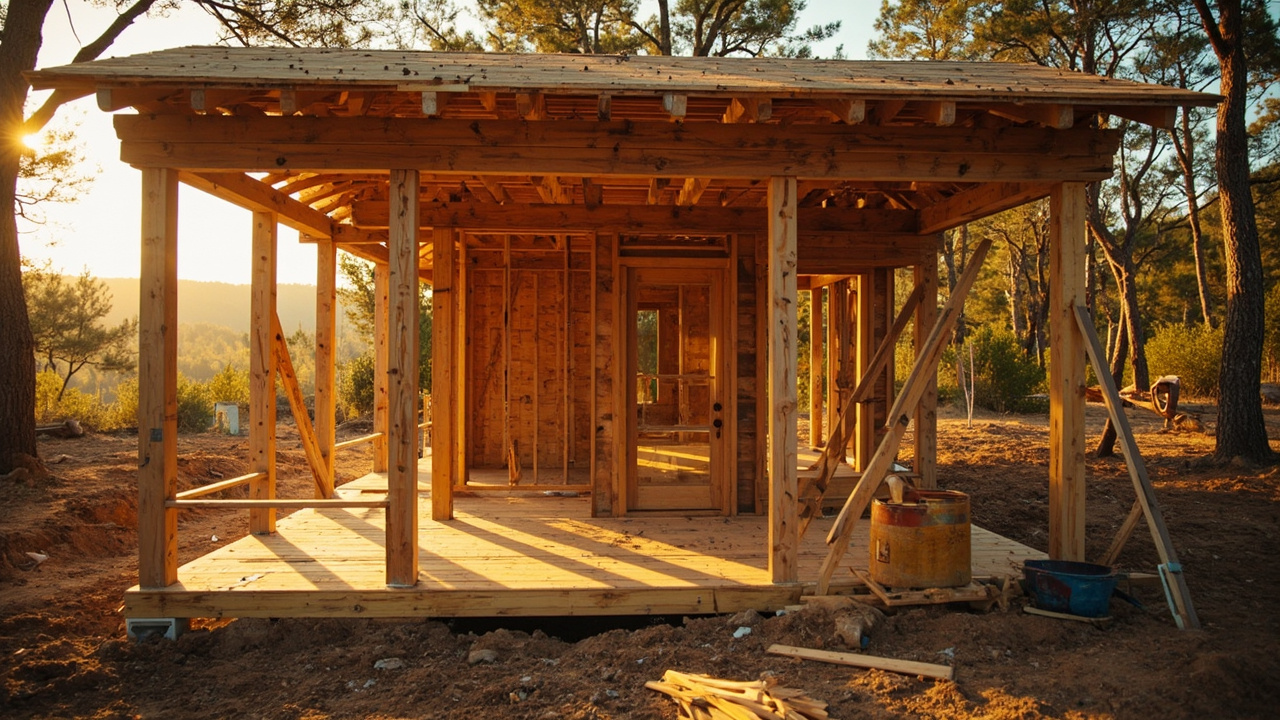
Rethinking Housing
Standard construction often fails to address the needs of off-grid living. Alternative building methods focus on thermal performance, local materials, and integration with natural systems.
Pros
- High energy efficiency
- Lower material costs (often)
- Unique aesthetics
- Reduced carbon footprint
Cons
- Labor intensive
- Permitting challenges
- Resale value uncertainty
- Specialized knowledge required
Building Methods
Tiny Houses
Small, often mobile homes (under 400 sq ft). They require less energy to heat/cool and force a simplified lifestyle. Perfect for starters.
Earthships & Earth-Bermed
Structures built into the ground or using tires packed with earth. They utilize thermal mass to maintain a constant indoor temperature year-round without heating systems.
Natural Building (Cob, Straw Bale)
Using clay, sand, straw, and water. Cob is sculptural and fireproof. Straw bale offers incredible insulation values (R-30+).
Passive Solar Design
Regardless of the material, design is key. Orient your home to face South (in the Northern Hemisphere) to capture winter sun while shading it from summer sun.
Construction Steps
- Design & Permits: Create plans that meet local codes (or find a county with no codes).
- Foundation: The most critical part. Rubble trench, slab, or pier foundation depending on soil.
- Framing/Walls: The main structure.
- Roofing: Dry it in quickly. Design for rainwater catchment.
- Systems: Install rough electrical and plumbing before finishing walls.