Guide · Food
Sustainable Food Production Guide
From permaculture design to food preservation, learn how to feed yourself and your family.
Why Grow Your Own Food?
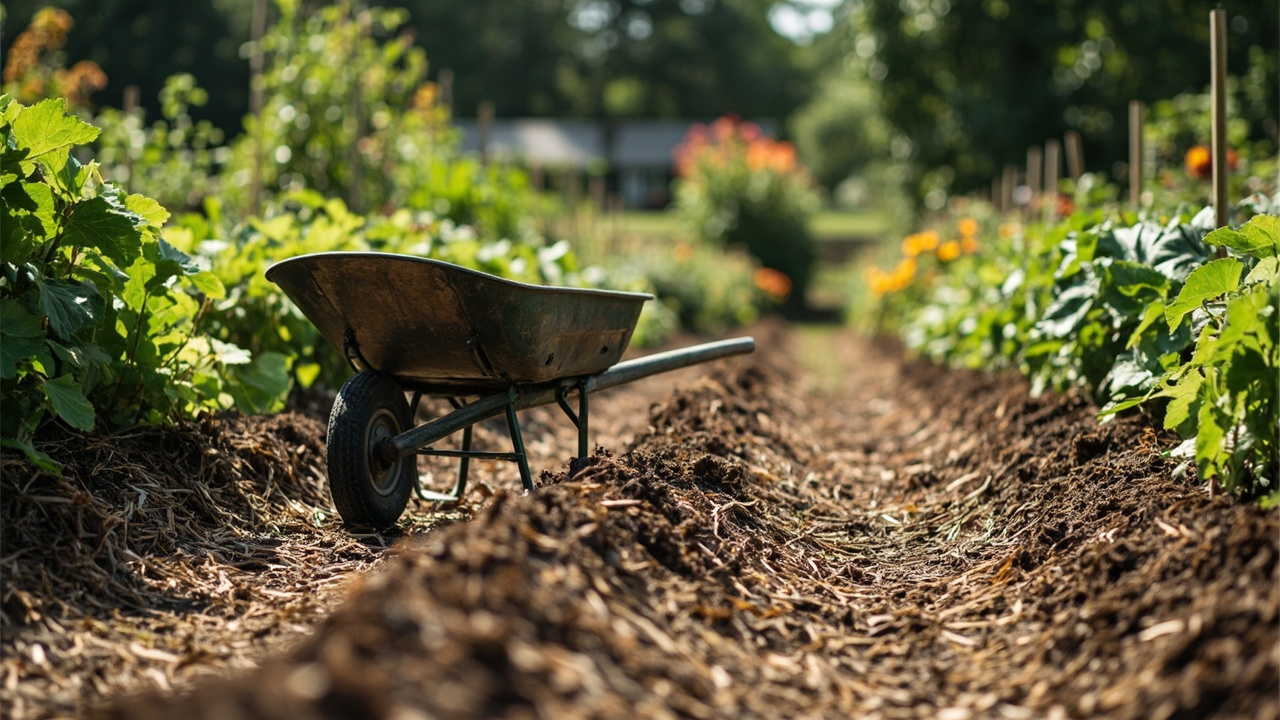
Food sovereignty is a cornerstone of the off-grid lifestyle. Reducing reliance on the industrial food chain leads to better health, lower costs, and true independence.
Pros
- Superior nutritional value
- No pesticides or GMOs
- Food security
- Connection to nature
Cons
- Time and labor intensive
- Learning curve
- Weather dependent
- Requires planning (preservation)
Production Methods
Permaculture
A design philosophy working with nature rather than against it. Includes food forests, swales for water retention, and companion planting.
Greenhouses & Aquaponics
Extend your growing season with a greenhouse. Aquaponics combines fish farming with hydroponics for a closed-loop protein and vegetable system.
Food Preservation
Growing is only half the battle. Canning, dehydrating, fermenting, and root cellaring allow you to eat your harvest all winter long.
Planning Your Garden
Start small. A 100 sq ft raised bed can produce a significant amount of salad greens and tomatoes. Focus on calorie-dense crops like potatoes, squash, and beans for true subsistence.
Steps to Start
- Observe: Watch your land for a year. Where does the sun hit? Where does water flow?
- Soil Building: Start composting immediately. Healthy soil is the key.
- Infrastructure: Build fences (deer proof!), raised beds, or a chicken coop.
- Plant: Start with easy crops like radishes, lettuce, and zucchini.
- Expand: Add fruit trees and perennials for long-term yields.