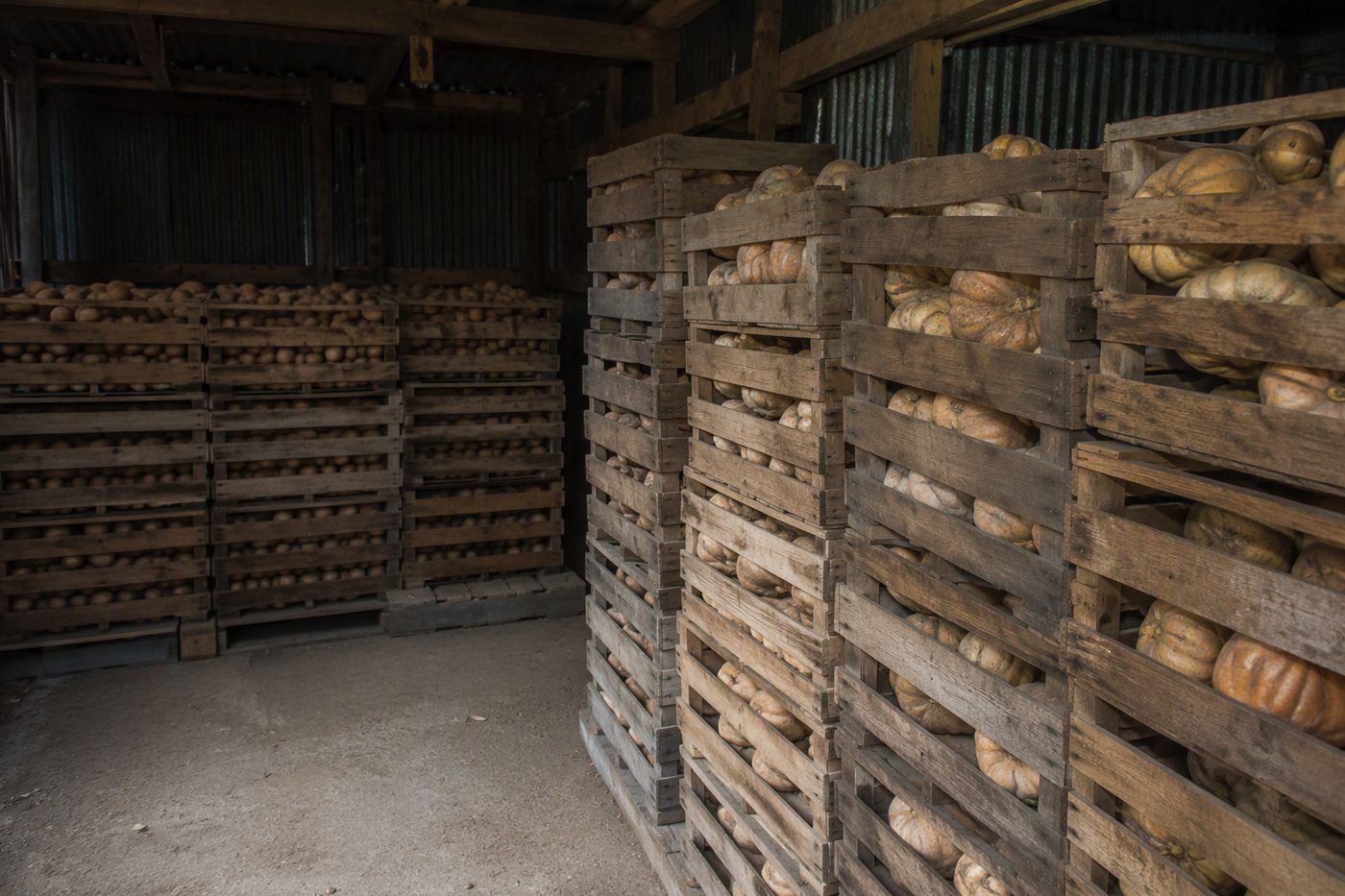
By Fiona Gallagher· permaculture designer · food, animals and preservation on 12 acres in Tassie
“After losing two hundred kilos of carrots to rot in my first root cellar, I learned that damp Tassie air demands perfect ventilation, not just a hole in the ground.”
Look, if you're off-grid, you ain't got a fridge. So forget the supermarket advice. Here's what actually works in Australia.
Optimal Conditions (No Electricity Needed)
Forget "refrigerate" – it's useless off-grid. Your goal: cool, dark, dry, and well-ventilated. That's it.
Shelf Life Cheat Sheet
Potatoes & Onions: Cool, dark cupboard. No fridge. Shelf life: 2-3 months. Don't store together – they rot each other.
Carrots & Beets: Bury in sand or sawdust in a root cellar. Shelf life: 3-4 months. Wash before storing – dirt = rot.
Leafy Greens (Spinach, Kale): Damp paper towel in a sealed jar. Keep in coolest spot (not fridge). Shelf life: 3-5 days. If it's hot, eat it today.
Tomatoes & Cucumbers: Room temperature, away from sunlight. Shelf life: 5-7 days. Fridge = rubbery, tasteless. Don't do it.
Garlic & Chillies: Mesh bag in a cool, dark place. Shelf life: 2-3 months.
Root Cellar Hack (Works in Most Aussie Climates): Dig a hole 30cm deep in the shade of your house. Line with straw. Store roots inside. Keeps temps 10-15°C. Works in Melbourne, Brisbane, even Perth. Costs $0.
Where to Get Basic Storage (If You Must): Bunnings. Get a $5 plastic bucket with lid (for root cellar). Or $10 for a 6-pack of Mason jars (for greens). No need for fancy "off-grid" kits – they're just overpriced. Skip the $50 "root cellar kit" online. Waste of money.
Blunt Truths
• If it's over 25°C, your veg goes bad faster.
Eat it or preserve it.
• Never store potatoes in the fridge.
They turn sweet and mushy.
Not worth it.
• Check your storage weekly.
One rotten potato spoils the lot.
No mercy.
Preserving is Your Friend: If you've got a garden and no fridge, learn to pickle or dry veggies. Takes 10 minutes. Saves your harvest. Bunnings sells $15 pickling kits. Worth every cent.
⚠️ SAFETY WARNING: Working with electrical systems, structural modifications, or gas installations carries inherent risks. If you are not confident in your abilities, always engage a licensed professional.
They walk through building an insulated trench with straw and sand that keeps root veg cool through summer and winter, which is exactly the kind of low‑tech, no‑frills solution you can set up on a small Tassie block with basic tools.— Fiona Gallagher
When to Call a Professional
While many off-grid projects are achievable as DIY, certain situations require licensed professionals:
Electrical work beyond basic 12V DC additions — requires a licensed electrician
Structural modifications to buildings or load-bearing elements
Gas line installation or modification
Solar array installations above safe voltage thresholds
Any work that affects the structural integrity of your property
Always check local regulations and obtain necessary permits before commencing work.