By Fiona Gallagher · permaculture designer · food, animals and preservation on 12 acres in Tassie
“After losing three jars of fermented capsicums to a sudden frost, I now store every root vegetable in sand at a precise 4°C.”
By Fiona Gallagher · permaculture designer · food, animals and preservation on 12 acres in Tassie
“After losing three jars of fermented capsicums to a sudden frost, I now store every root vegetable in sand at a precise 4°C.”
Stop wasting money on food that rots in your shed. Rotating stock isn't optional – it's how you stay fed when the grid dies. Here's how to do it right, no fluff.
Stop wasting money on food that rots in your shed. Rotating stock isn't optional – it's how you stay fed when the grid dies. Here's how to do it right, no fluff.
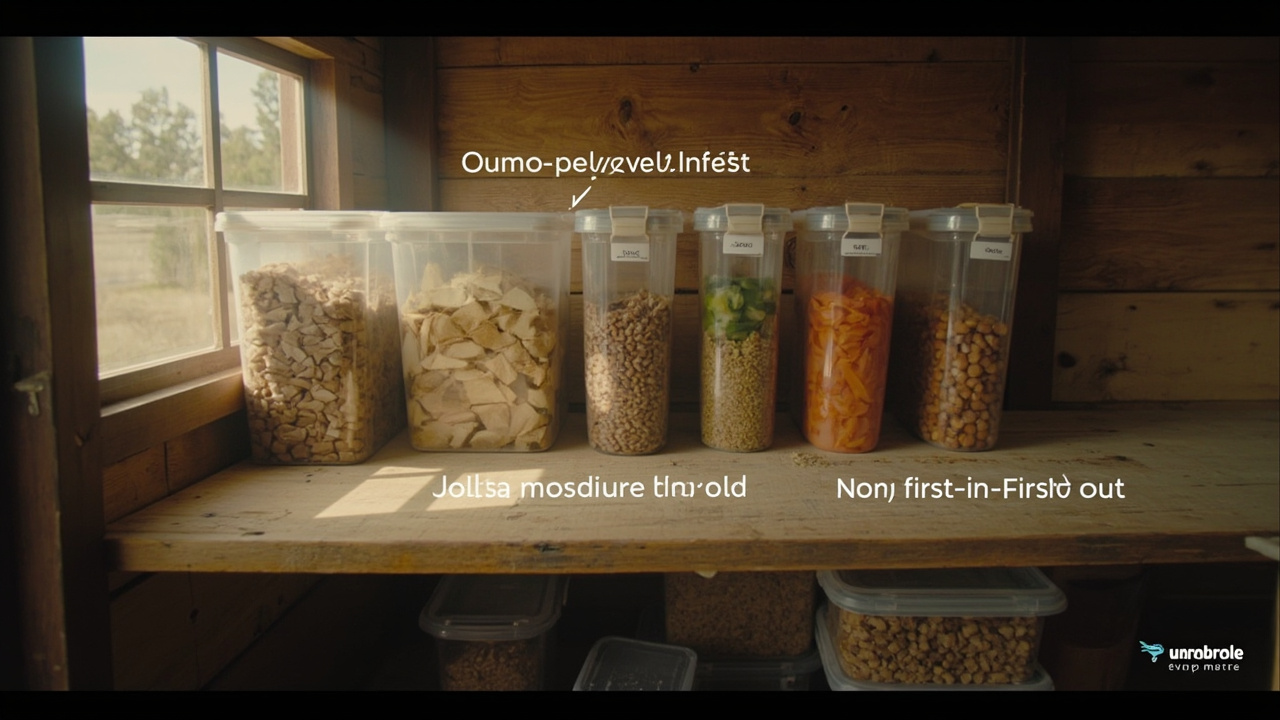
Simple. The food you bought first gets used first. Not the last. If you don't do this, you'll end up with a fridge full of expired tins and mouldy oats while new stock sits untouched. Done.
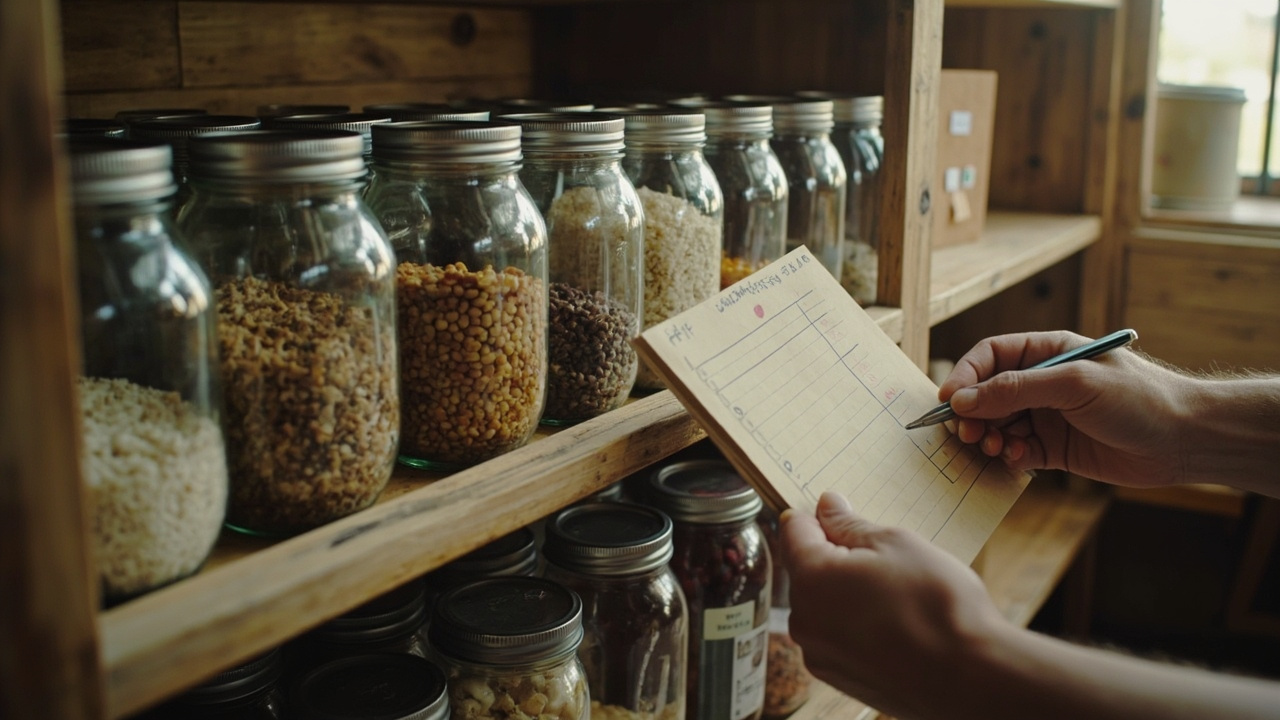
Label every container with a date. Use a permanent marker on the lid. No fancy apps. Just write "2023-10-01" on the tin. If you're lazy, use masking tape and a pen. Done.
Put new stock behind old stock. When you grab a tin for dinner, move the oldest one to the front. Your pantry becomes a conveyor belt of fresh food. No thinking required.
Heat kills food. In Australia, your pantry can hit 40°C in summer. Keep food away from direct sun and heat sources. Use a thermometer – if it's over 25°C, your food's already dying.
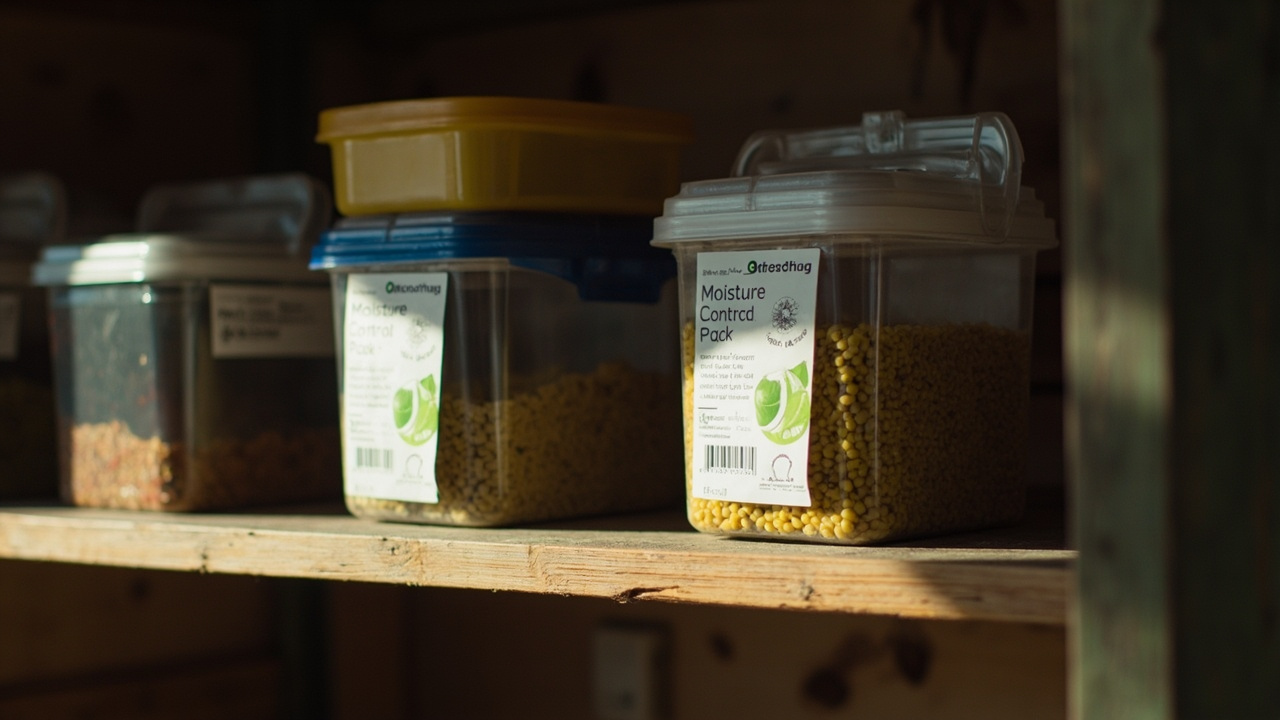
Moisture is the enemy. Store grains in airtight containers. No plastic bags. Get proper food-grade buckets from a hardware store. $15-$25 at Bunnings for a 20L bucket. Worth every cent.
Food-grade buckets: Bunnings (20L, $18.95). Get the ones with tight lids. Not the cheap plastic ones from the dollar store.
Labels & markers: OfficeWorks (permanent markers, $3.95). Or use a $10 Sharpie from Woolworths. Write clearly. "2023-09-15" not "last week".
Bulk staples: Buy rice, lentils, oats in bulk. Check your local bulk food store (like Wholefood World in Melbourne or Organic Market in Sydney). Prices: $1.50-$2.50/kg for rice. Cheaper than supermarket tins.
• Tins rust and leak (costs $50+ to replace).
• Rice gets weevils (you'll smell it before you see it).
• Oats turn rancid (tastes like old socks).
• You waste $200+ a year on food you never eat.
That's not off-grid living. That's just throwing money away.
Rotate your food. Label it. Store it right. It takes 2 minutes a week. If you skip it, you're not ready for the off-grid life. Period.
Worth a watch: How To Start PREPPING As A Beginner In 2026 - Before Its To Late · Prepared Australia
While many off-grid projects are achievable as DIY, certain situations require licensed professionals:
Always check local regulations and obtain necessary permits before commencing work.