
By Jenny Mills · rural nurse & homesteader · health, safety, law and the paperwork of going bush
“After my third well pump failed in drought, I learned that one free online course taught me to fix it and save $400.”
By Jenny Mills · rural nurse & homesteader · health, safety, law and the paperwork of going bush
“After my third well pump failed in drought, I learned that one free online course taught me to fix it and save $400.”
Let's cut the crap. Off-grid living in Australia isn't about being a hermit with a solar panel. It's about having the skills to fix your own shit without begging for help. And you don't need to pay $500 for a "course" to learn it. Here's how to build a real skill-sharing community that actually works.
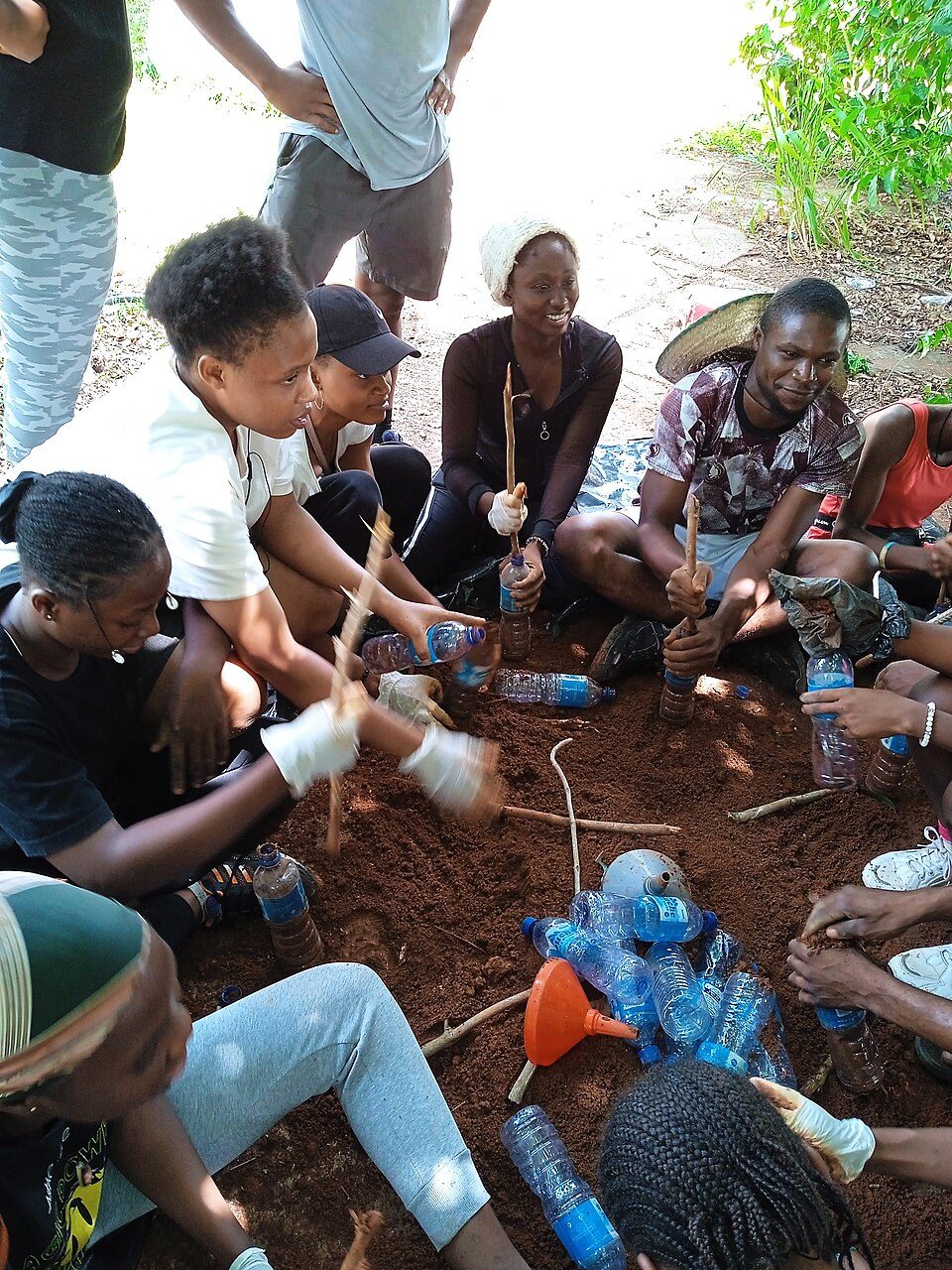
Don't try to be a guru. You're not going to teach 50 people how to build a wind turbine in one go. Start small. Do a 90-minute workshop at your local community centre for $10. That's it. Cover one thing: how to fix a leaking rainwater tank. Show them. Let them try. Done.
Real tip: Record your workshop on your phone. Use free apps like CapCut. Post it on Facebook groups like "Off-Grid Australia" — no need for fancy gear. People will share it. You'll get more students than you can handle.
Forget expensive courses. The government's "Renewable Energy Ready" website has free guides for solar, water, and composting. It's all there. No charge. No bullshit.
Need to learn how to build a wood stove? Find someone who's done it. Offer to help them with something they suck at — like fixing a solar charge controller. Trade skills. No money exchanged. That's how it works.
Suppliers (Aussie prices, no markups):
Going off-grid alone is a death sentence. You'll break down. You need people who'll help when your solar inverter dies at 3am. So build a community. Not a "group" — a real one.
Real tip: Host a "Skills Swap" night at a library or community hall. Charge $5 to cover venue costs (if needed). Bring your own tools. Show people how to do one thing. Next week, someone else does the same. No fancy titles. Just people helping people.
Partner with a local farm or community garden. Offer to help them with a skill they need (like building a chicken coop) in exchange for using their space. They'll let you run your workshop for free. Win-win.
Stop waiting for the "perfect" time. Stop paying for what you can learn for free. Find one skill you know. Teach it. Find one skill you need. Ask for it. Build your community around that. Australia's off-grid scene isn't about being alone — it's about being part of a tribe that's got your back. Now go do it.
Worth a watch: My Grandpa’s Free Off Grid Water Method (Still Working After 70 Years) · Wilson Forest Lands
While many off-grid projects are achievable as DIY, certain situations require licensed professionals:
Always check local regulations and obtain necessary permits before commencing work.