
By Mick O'Brien · carpenter & builder · sheds-to-homes, cabins and things that stay up in a storm
“I learned the hard way that a 25-tonne log cabin needs more than good timber; it needs neighbours who can lift when the storm hits.”
I don't just stare at my own fence line. When you know the people on the next blocks, you've got someone to ring when a tree comes down, the generator packs it in, or you need a hand lifting wall frames into position. It beats handling every breakdown solo. The rest of this piece runs through the practical, low-cost ways to build those connections out here.
By Mick O'Brien · carpenter & builder · sheds-to-homes, cabins and things that stay up in a storm
“I learned the hard way that a 25-tonne log cabin needs more than good timber; it needs neighbours who can lift when the storm hits.”
Work acreage blocks long enough and you learn the land doesn't come alone—the neighbours come with it. The off‑grid owners nearby hold the same sort of know‑how: a welder when yours lets go, a spare hand to clear the driveway after a storm, and the decency to bring a beer over when the job's done. That's the real value out here, and it doesn't cost a cent. What follows is the practical, low‑cost way to turn the stranger who waves at the front gate into someone you'll ring on a Sunday when things go wrong.
Knocked on a bloke's door three paddocks down in a small Victorian town, hoping to borrow his chainsaw. Shed was padlocked, dog was barking, and he wasn't coming out. Lesson learned the hard way: out here, you go it alone and you're done for. That locked shed sent me home to think about what we were missing. Tools, know-how, a generator when the power drops out, a glut of tomatoes in February – it all sits with the people next door, and you either trade with them or you sit in the dark. Strong communities aren't a nice-to-have out where the bitumen runs out. They're the difference between weathering the next blackout and ringing the SES at midnight.
Begin with these simple, low-cost actions:
| Frequency | Task | AUD Cost |
|---|---|---|
| Monthly | Check shared tool shed for maintenance | $0–$10 |
| Quarterly | Update resource list + share surplus produce | $5–$25 |
| Annually | Host a community work bee (e.g., fence repair) | $20–$100 |
Community building doesn't require big spending. Focus on low-cost, high-impact actions:
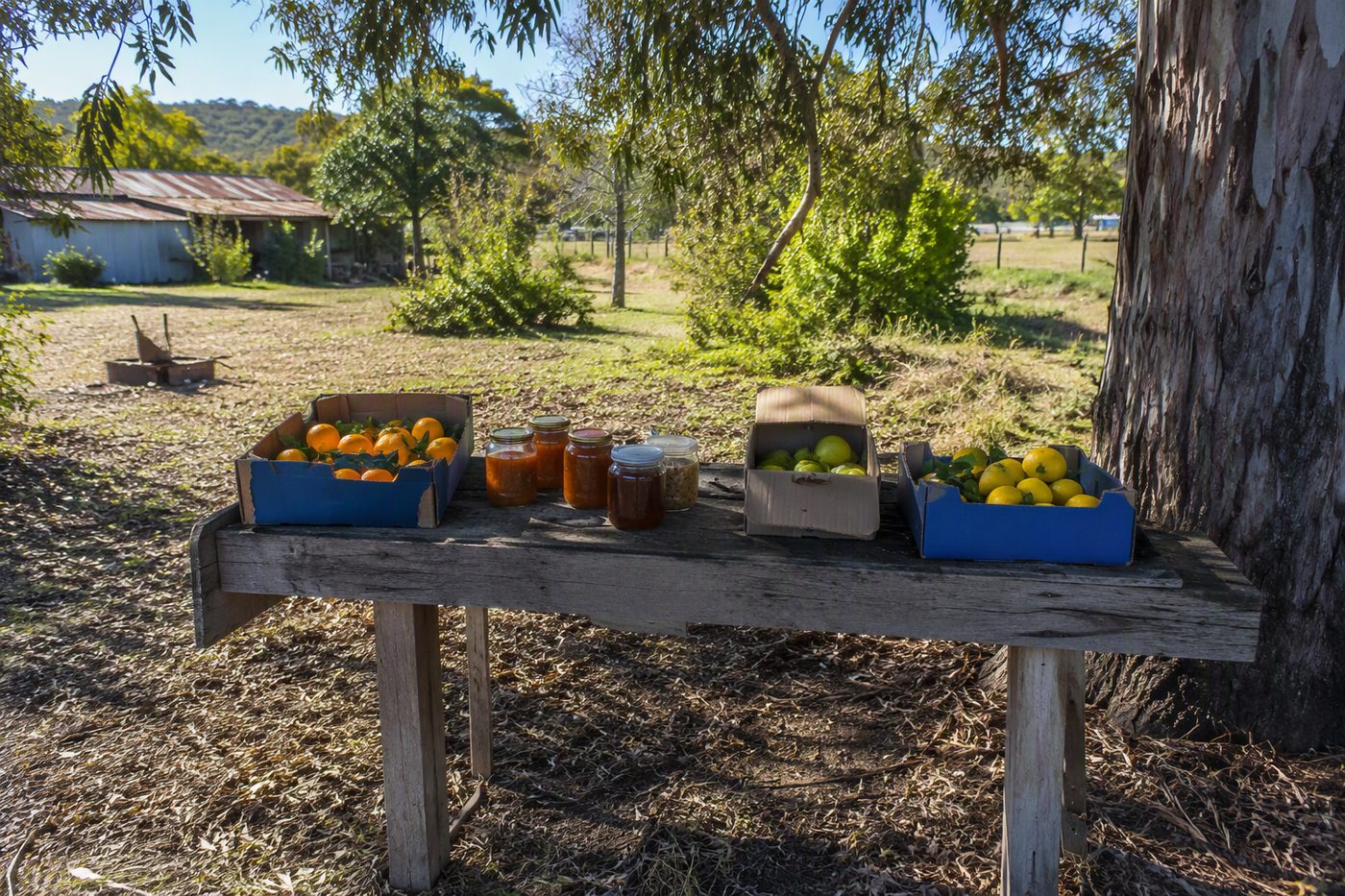
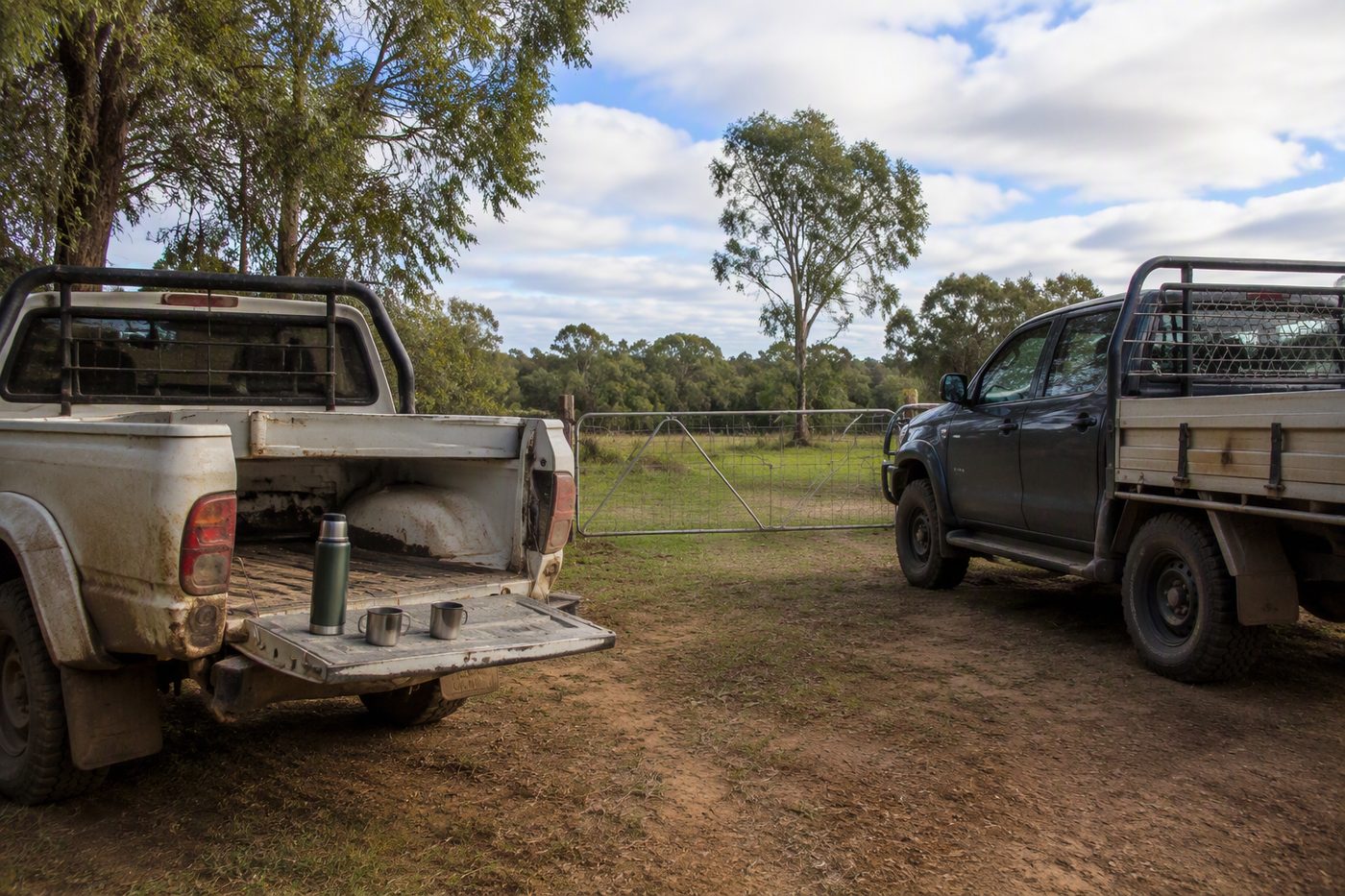
These affordable tools make community collaboration smoother:
Handwritten note to begin. My name, a friendly offer – "Hi, I'm new – would you like a spare egg from my chickens?" If they don't bite, I leave them be. No point pushing.
Focus on shared goals (e.g., "Let's help each other with fire breaks"). Avoid debates; share resources without judgment.
Anything high-value — chainsaws, for instance — goes in a written handover log on my jobs. Smaller items can run on a verbal agreement to start with.
Begin with monthly coffee chats. Scale up only if all parties are engaged. Quality > frequency.
Knock on the gate before you borrow a ladder or cross a fence line. I've watched blokes skip that step and lose a good neighbour over a borrowed post-hole digger. When something needs to be in writing, point them to the local Community Legal Centre — it's free for residents and saves you from a barney down the track.
I once tried to chat with a neighbour on the edge of a specific Australian town about sharing tools, but my first attempt was a mess and ended up with me getting locked out of their shed; that failure taught me that building community with acreage neighbours is a practical investment in your off-grid lifestyle. Start small, respect boundaries, and focus on mutual benefit. In Australia's unique rural context, these connections transform isolated homesteads into thriving, resilient networks – without breaking the bank.
Fire bans and council regs get checked before we gather. Safety's not negotiable. Off-Grid Master doesn't do legal advice—if there's a question about property lines or liability, ring your local council or Community Legal Centre. And never hand around tucker or homegrown produce without asking what's safe to eat. Someone's always got an allergy you didn't see coming.
Worth a watch: Secrets to Building the Most Engaging Community Ever · Pat Flynn
Honestly, walk your fence line and knock on the gate when you see someone next door — that's how I met my nearest neighbour, and we ended up trading tools and tractor time ever since. Most people on bigger blocks are keen to know who's around, they just don't get many reasons to wander over.
Our first shared fire pit nearly ended in disaster when it blew out and scorched half the yard. Dry grass, a bit of wind, and too many people with a beer in hand is a recipe. Always have a water source ready, pick your spot well clear of anything that can catch, and don't let 'she'll be right' be anyone's attitude to fire.
Black soil will swallow footings if you let it — ours dropped 30mm in a single wet weekend. You've got to get underneath, pack it properly, and reset on something that won't heave again. If you're not sure what's under there, get a licensed hand in before it turns into a much bigger job.
Every time. That $89 Bunnings hammer I bought years ago has earned its keep on dozens of jobs around the place. Cheap tools usually cost you more in the end — buy the best you can afford for the things you reach for every week.
While many off-grid projects are achievable as DIY, certain situations require licensed professionals:
Always check local regulations and obtain necessary permits before commencing work.