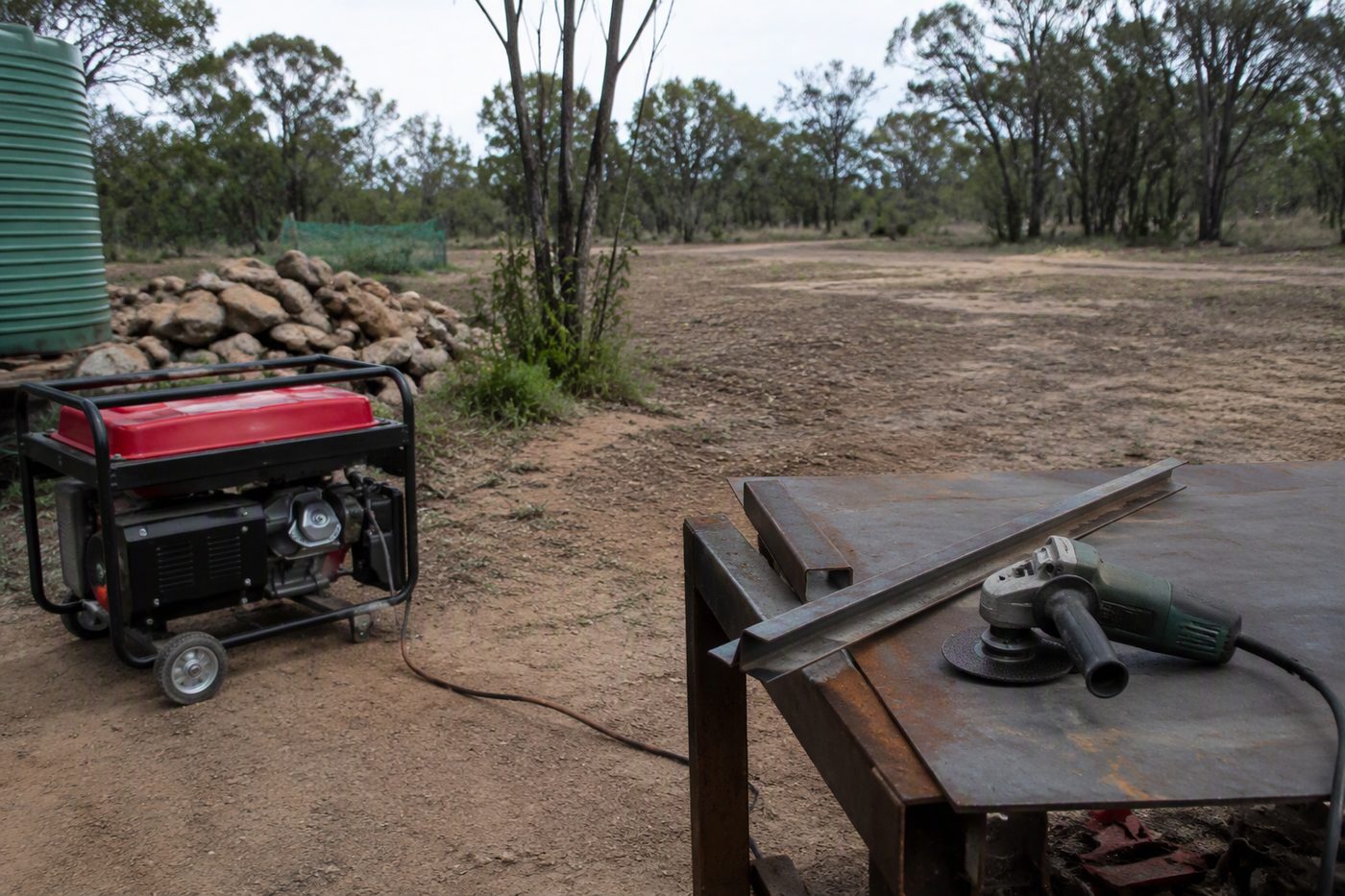
Look, if you're off-grid in Australia and think your 2kW generator can run a circular saw and a fridge at the same time? You're in for a rude awakening. Let's cut the fluff.
Why Your Generator Needs More Juice Than You Think
Most tools and motors demand two to three times their running wattage just to kick off. That 1.5kW circular saw? You need 3kW to get it moving. Your 1.2kW fridge? It pulls 2.4kW to start that compressor. If you're running heavy loads, your generator's continuous rating is a flat-out lie.
Tip: Always buy a generator rated at 25-30% higher than your total load. If your tools add up to 2.5kW, get a 3.2kW+ generator. No exceptions.
Starting Motors: The Hidden Power Suck
Electric motors like fridges, pumps and aircons are the killers. They draw massive surge power when starting. Your generator might handle the fridge running, but if it's also trying to start the water pump? It'll trip the breaker or die. Common Aussie off-grid fails:
Generator dies when you turn on the fridge after a power cut
Water pump won't start because the generator's overloaded
Power tools stutter and die mid-cut
Practical Tips: Don't Get Caught Short
Stop guessing. Do these three things:
Calculate your real load: List every tool you'll run simultaneously. Add 30% buffer. Example: 1.5kW saw + 1.2kW fridge = 2.7kW + 30% = 3.5kW minimum.
Start big loads first: Turn on the fridge, then the saw. Never start the fridge while the saw is running.
Use a surge protector: Cheap $50 units from Bunnings or Aussie Power prevent generator trips. Non-negotiable.
WARNING: Never run a generator indoors. Even in a shed, it'll kill you. Use it outside, 5m+ from windows. Check local council rules – some suburbs ban generators after 10pm.
Where to Get It: Aussie Suppliers & Price Ranges
Don't waste money on Chinese junk. Stick to these:
For reliable 3-4kW generators (best for off-grid tools):
Werner 3.5kW (3.5kW surge): $1,900-$2,300. (Online, but check reviews)
Don't buy: Anything under 3kW continuous for off-grid. You'll spend more fixing broken tools than the generator cost.
Bottom line: Your generator isn't a luxury. It's your lifeline. Get it right the first time. No excuses.
⚠️ SAFETY WARNING: Working with electrical systems, structural modifications, or gas installations carries inherent risks. If you are not confident in your abilities, always engage a licensed professional.
It walks through building a simple DC generator and shows the exact wiring and voltage regulation needed to charge your battery bank off‑grid, which is exactly the kind of practical detail the guide covers.— Dave Miller
When to Call a Professional
While many off-grid projects are achievable as DIY, certain situations require licensed professionals:
Electrical work beyond basic 12V DC additions — requires a licensed electrician
Structural modifications to buildings or load-bearing elements
Gas line installation or modification
Solar array installations above safe voltage thresholds
Any work that affects the structural integrity of your property
Always check local regulations and obtain necessary permits before commencing work.