By Mick O'Brien· carpenter & builder · sheds-to-homes, cabins and things that stay up in a storm
“After losing three nights of sleep shivering in a 4°C cabin, I learned that 100mm of rigid foam is the only floor insulation that truly cuts the chill.”
Off-Grid Floor Insulation: Cut the Chill (No Fluff)
Off-grid living in Australia? Your floor is leaking heat like a sieve. Insulate it or freeze. No options. We'll tell you exactly what works, where to get it, and how much it costs. Straight up.
Off-grid living in Australia? Your floor is leaking heat like a sieve. Insulate it or freeze. No options. We'll tell you exactly what works, where to get it, and how much it costs. Straight up.
Suspended Timber Floors
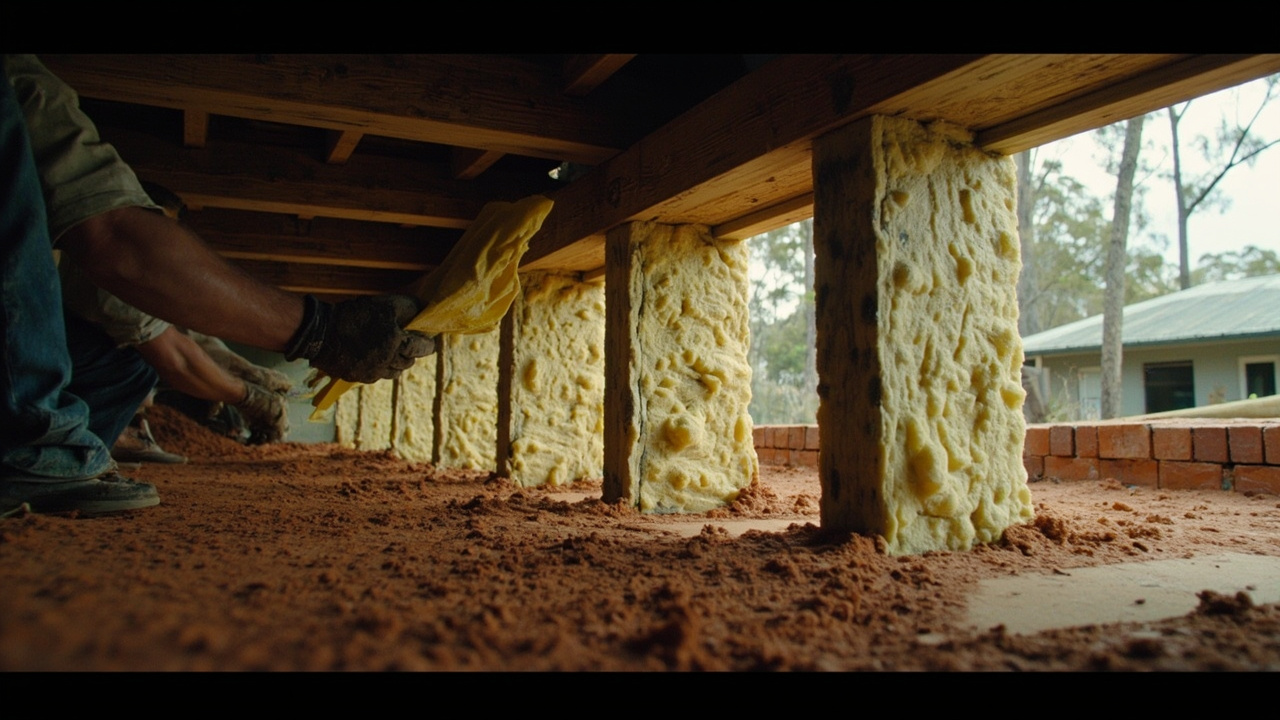
Timber floors on stumps. Insulation goes under the floorboards.
Fitting insulation batts under a raised timber floor
Pros:
Easy to install (no concrete work)
Access to pipes/wires underneath
Good for uneven ground
Cons:
Gets damp if not sealed right
Needs checking for termites
Worst for extreme cold
Suppliers: Kingspan (Kooltherm) or Bonded Logic Fibre Glass Batts
$15–$25/sqm (including moisture barrier)
Use 200mic plastic under the insulation. No excuses. Damp rot will eat your floor and your budget.
Concrete Floors (Slab-on-Grade)
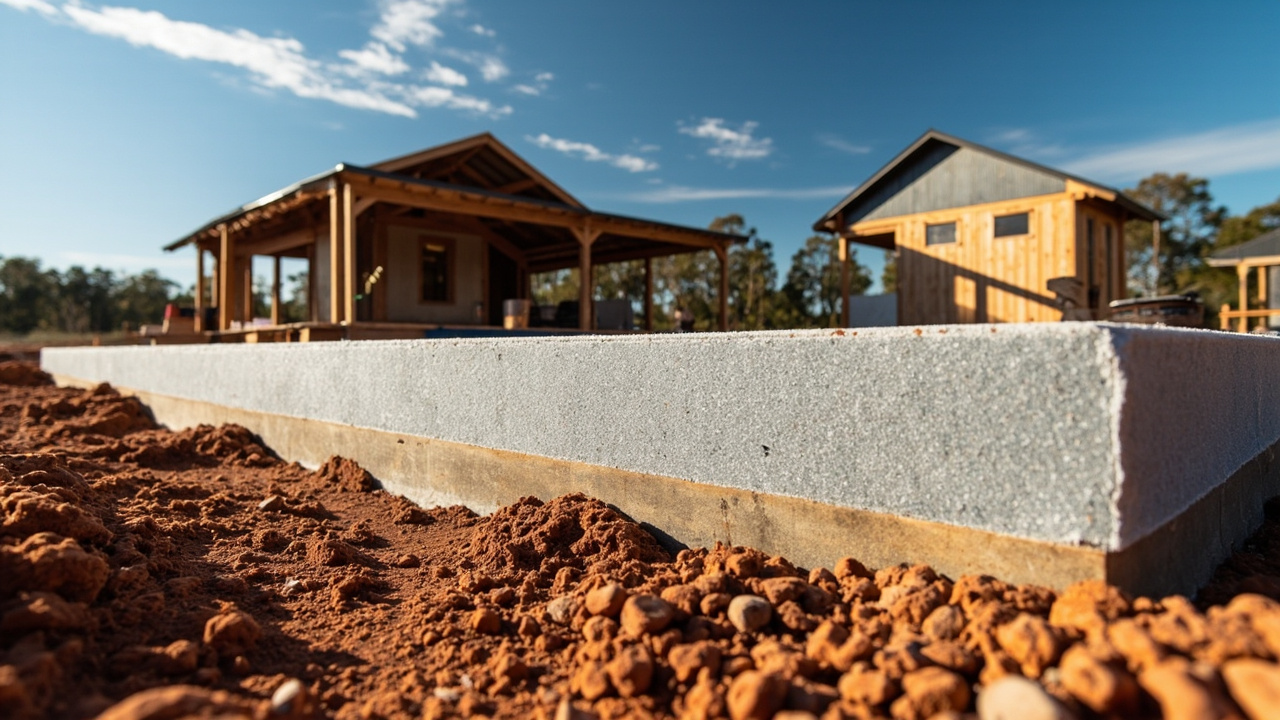
Insulation under the concrete slab before pouring. Best option if you're building from scratch.
Rigid foam board insulating a slab edge
Pros:
Best heat retention (keeps warmth in winter)
No damp issues
One-time cost, lasts decades
Cons:
Expensive upfront ($5k+ for a small shed)
Can't retrofit (must be done before concrete)
Needs proper drainage
Suppliers: Kingspan (Kooltherm K150) or Celotex XPS
<
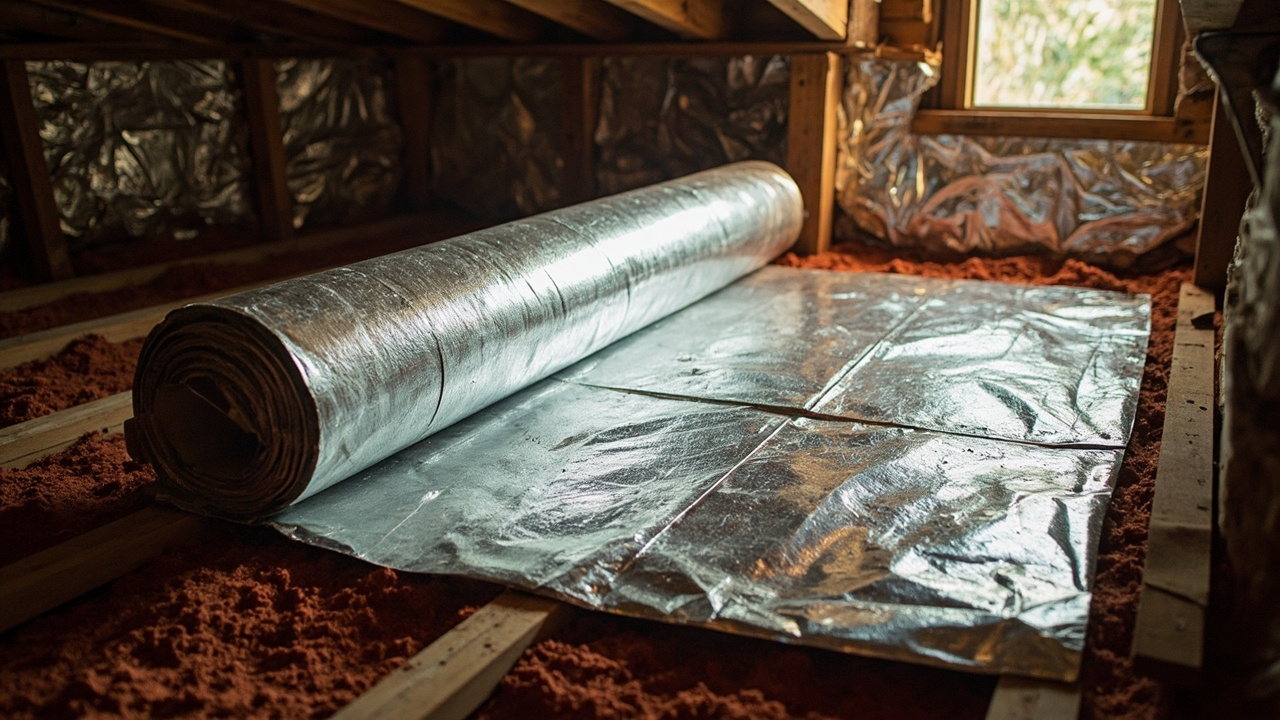
Foil-faced radiant barrier fitted under floor
p>$25–$35/sqm (under-slab)
Insulate the perimeter too. Otherwise, heat escapes sideways. Budget for it — it's a one-off cost that pays for itself in 2 years.
Radium Board (Radiant Barrier)
Reflective foil board. Stops radiant heat transfer. Often used *with* other insulation.
Pros:
Cheap ($10–$15/sqm)
Easy to install (just staple it)
Great for hot climates
Cons:
Doesn't stop conduction (use with insulation)
Useless alone — you'll waste money
Can tear easily
Suppliers: Bunnings (Radium brand) or online (e.g., Insulation Warehouse)
$12–$18/sqm
Never put it on top of the floor. It's for the *underside*. Pair it with Kingspan or fibre glass — otherwise, it's just a shiny waste of cash.
Practical Tips (No Bullshit)
Measure twice, buy once. Under-insulating is a waste of money. Get the right R-value for your zone (R2.5+ for cold areas, R1.5+ for hot).
Climate matters. Northern Australia? Focus on blocking heat. Southern? Focus on keeping warmth in. Don't use radium board alone in Victoria — it's pointless.
Moisture barrier is non-negotiable. Skip it, and you'll have mould, rot, and a $2k repair bill. 200mic plastic is $50 for a roll. Buy it.
Combine systems. Timber floor? Use radium + Kingspan. Concrete slab? Use Kingspan under the slab + radium on top. One layer isn't enough.
Bottom Line
Off-grid floor insulation isn't optional. It's the difference between a warm, dry shack and a cold, damp headache. For most setups, suspended timber with Kingspan + moisture barrier is the sweet spot. Concrete slabs are worth it if you're building new. Radium board? Only as a supplement. Don't be cheap. Your comfort (and sanity) depends on it.
When to Call a Professional
While many off-grid projects are achievable as DIY, certain situations require licensed professionals:
Electrical work beyond basic 12V DC additions — requires a licensed electrician
Structural modifications to buildings or load-bearing elements
Gas line installation or modification
Solar array installations above safe voltage thresholds
Any work that affects the structural integrity of your property
Always check local regulations and obtain necessary permits before commencing work.
He walks through his off‑grid cabin floor build, showing the exact order of reflective foil, batt insulation and sealing gaps with tape, which mirrors the method I outline in the guide and gives you a real‑world example of getting the layers right.— Mick O'Brien