You're off-grid. Solar panels, maybe a wind turbine. But if your ceiling's a heat leak, you're burning through your precious power. Fix it now. No fluff.
You're off-grid. Solar panels, maybe a wind turbine. But if your ceiling's a heat leak, you're burning through your precious power. Fix it now. No fluff.
Why Your Ceiling Sucks (And How to Fix It)
Heat rises. In Australia, your ceiling is the main exit for heat in summer and the main entry in winter. If it's not insulated properly, your off-grid system works 2x harder. That means more battery drain, more generator use, and more cash wasted. Stop it.
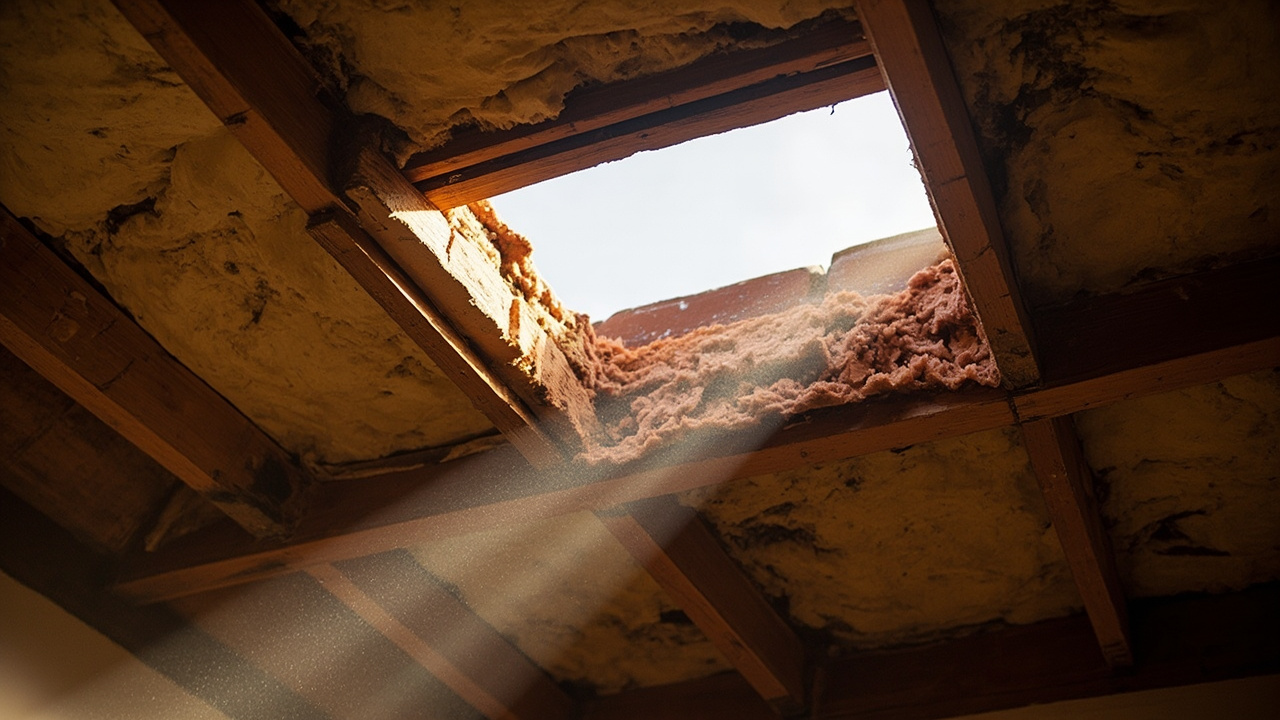
Gaps and compressed batts let heat escape freely.
Check Your R-Value (Don't Guess)
R-value = how well insulation stops heat flow. Higher = better. Here's what you need for Australia:
North (Queensland, NT): Minimum R4.0 for ceilings
South (NSW, Vic, Tas): Minimum R6.0
How to check:
Open your ceiling hatch. Look at the insulation.
If you can see roof timbers through it? It's useless (R1.0 or less).
If it's fluffy, check the label on the batts. "R2.5" = R2.5. "R3.0" = R3.0.
No label? Assume it's R1.0. Most old houses are.<
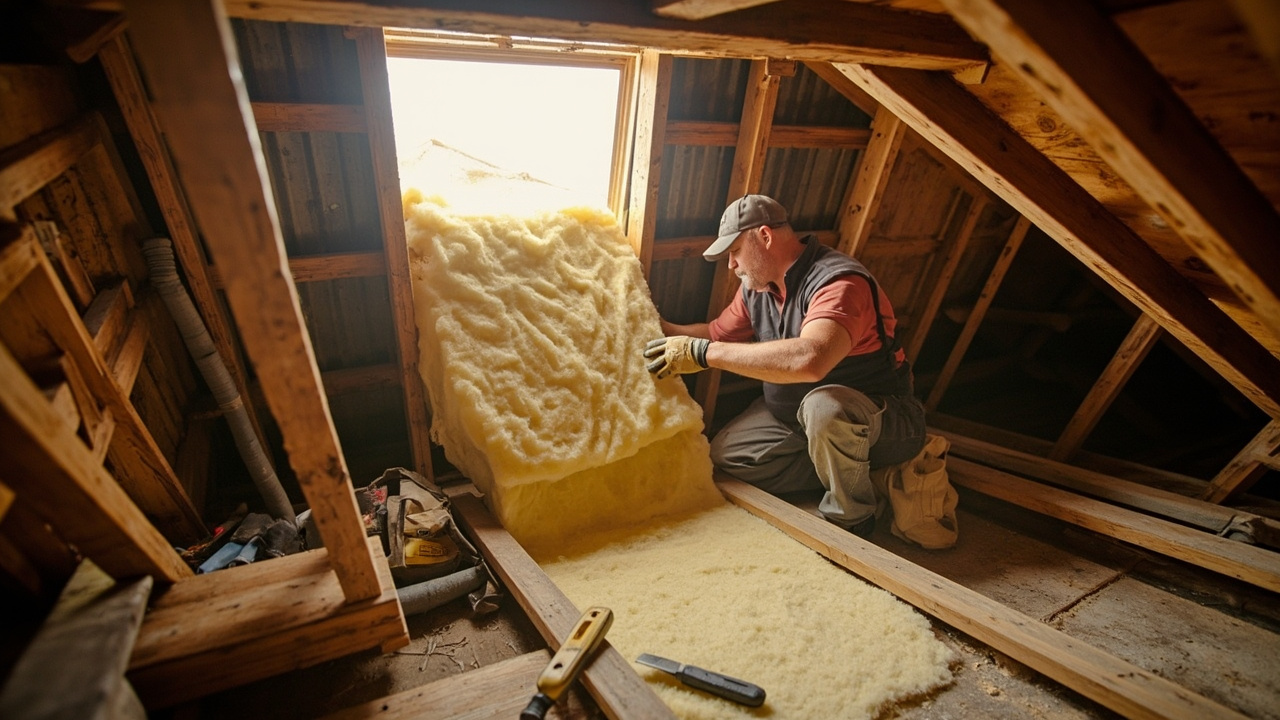
Retrofitting new batts between existing ceiling joists.
/li>
Blunt truth: If your current R-value is below the minimum for your zone, you need more insulation. Don't wait. Your power bill (or battery life) will thank you.
Adding Insulation to Existing (No Full Replacement Needed)
You don't need to rip out everything. Just add on top. Here's how:
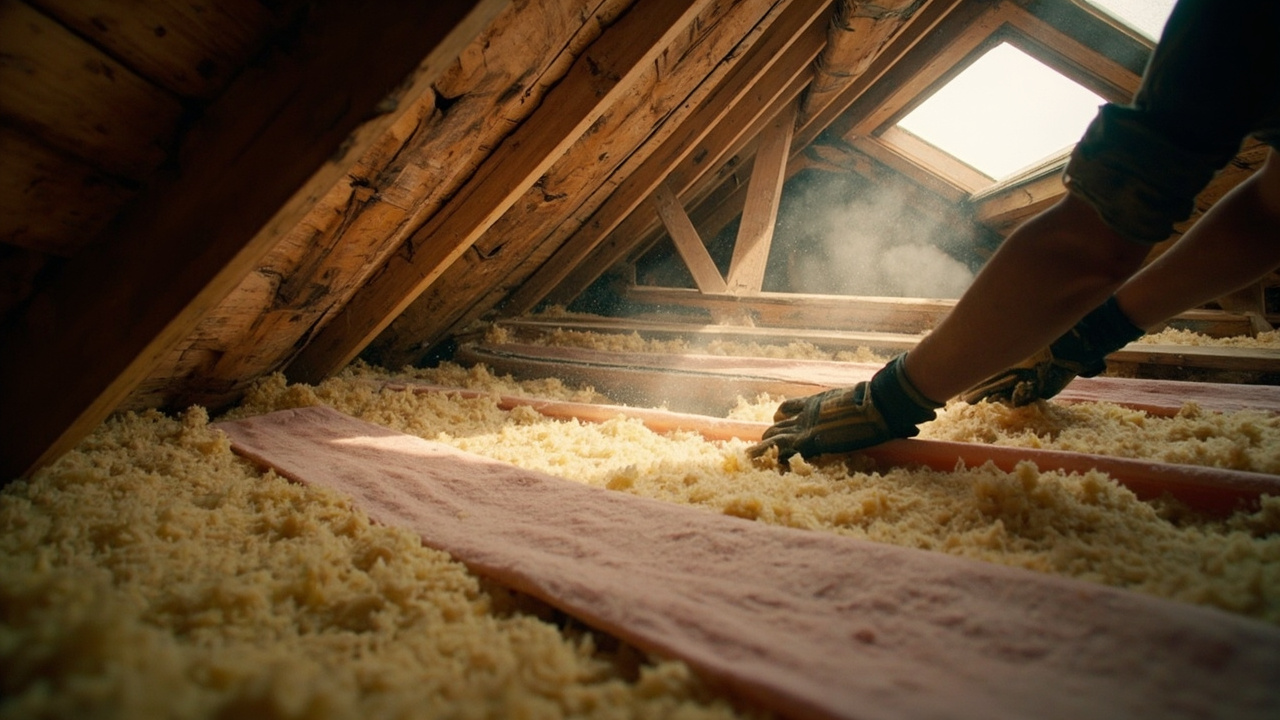
Laying new batts over existing ceiling insulation
Check for damage: If insulation is wet, mouldy, or chewed by rats, remove it first. Don't cover problems.
Measure your ceiling: Length x width (e.g., 8m x 6m = 48m²).
Calculate what you need: Target R-value minus current R-value = extra needed. Example: Current R2.0, need R4.0? You need R2.0 more.
Buy the right batts: Same type as existing (usually fibreglass). For R2.0 extra, get 100mm batts (R2.5). Don't buy thicker than needed.
Install: Lay new batts perpendicular to existing ones. Don't compress them. Leave space for airflow (10mm gap between batts and roof sheeting).
Don't do this: Adding loose-fill over batts (traps moisture). Adding over a vapor barrier (causes condensation). Compressing insulation (kills R-value).
Australian Suppliers & Pricing (indicative prices)
For DIY, these are the best options:
Bonded Logic Fibreglass Batt (100mm, R2.5): $0.65-$0.85 per m². Bunnings, Mitre 10
Ursa Fibre Glass (150mm, R3.5): $0.90-$1.10 per m². Insulation Direct (online)
For R6.0 target (south): Add two layers (e.g., existing R2.0 + new R4.0 = R6.0). Cost: ~$1.20-$1.50 per m² total.
Example for 50m² ceiling (R2.0 to R4.0):
Cost = 50m² x $0.75 = $37.50 (plus $10 for gloves/mask at Bunnings).
Pro tip: Buy from Bunnings or Mitre 10. They have the standard 100mm batts. Online (Insulation Direct) is cheaper but shipping adds $15-$20. For 50m², DIY is cheaper than hiring a pro ($50-$100/m²).
Final Blunt Tips
Fix ventilation first: If your roof space is hot and humid, add vents before adding insulation. Otherwise, you'll get mould.
Check your roof: If you have a tin roof, add a 10mm gap between batts and roof sheeting. Otherwise, heat builds up.
Don't over-insulate: R6.0 is the max for most Australian homes. More than that is wasted money.
Done. Your off-grid system will run cooler, your batteries will last longer, and you'll stop wasting cash. Do it this weekend. It's $40 worth of batts and 2 hours of work. No excuses.
⚠️ SAFETY WARNING: Working with electrical systems, structural modifications, or gas installations carries inherent risks. If you are not confident in your abilities, always engage a licensed professional.
It walks through sealing crawlspaces and using hardware cloth to block rodents while keeping insulation dry, which tackles a common Aussie off‑grid problem.— Mick O'Brien
When to Call a Professional
While many off-grid projects are achievable as DIY, certain situations require licensed professionals:
Electrical work beyond basic 12V DC additions — requires a licensed electrician
Structural modifications to buildings or load-bearing elements
Gas line installation or modification
Solar array installations above safe voltage thresholds
Any work that affects the structural integrity of your property
Always check local regulations and obtain necessary permits before commencing work.