
Energy Independence
Solar, Wind & Hydro Solutions
Complete renewable energy systems for off-grid living
Your Off-Grid Journey Roadmap
Going off-grid can be overwhelming. Follow our proven 6-step process to success.
1. Assess Location
Use our Calculator to analyze solar, wind, and water potential.
4. Get Equipment
Source reliable components from trusted suppliers.
Complete Energy Solutions
From solar panels to wind turbines, we provide everything you need for energy independence
Solar PV Systems
$15,000 - $50,000
Wind Turbines
$10,000 - $30,000
Micro-Hydro
$8,000 - $25,000
Battery Storage
$5,000 - $20,000
Ultimate Resource Library
Everything you need to plan, build, and maintain your off-grid lifestyle
Solar Panel Guide
Comprehensive guide and tools for solar panel guide
DIY Solar Installs
Comprehensive guide and tools for diy solar installs
Wind Turbine Calculator
Comprehensive guide and tools for wind turbine calculator
Battery Storage
Comprehensive guide and tools for battery storage
Battery Maintenance Checklist
Comprehensive guide and tools for battery maintenance checklist
Energy Audit Tools
Comprehensive guide and tools for energy audit tools
Field Builds & Success Stories
Real-world systems proving it works
Off-Grid Calculator
Calculate your energy needs, costs, and savings based on your location
Location Analysis
Enter your location to get real-time environmental data
Off-Grid Potential
Estimated performance based on local data
Annual Solar Generation
- kWh
Total Water Harvest Potential
- Liters/yr
Catchment: - L
Suggested tank: 22,500 L
Demand coverage: -
Wind Energy Potential
Low Wind kWh/yr
Food Production Potential
Feeds ~6 People
Based on 850m² allocated land
Enter location to see analysis.
Recommended Gear
Based on your project specs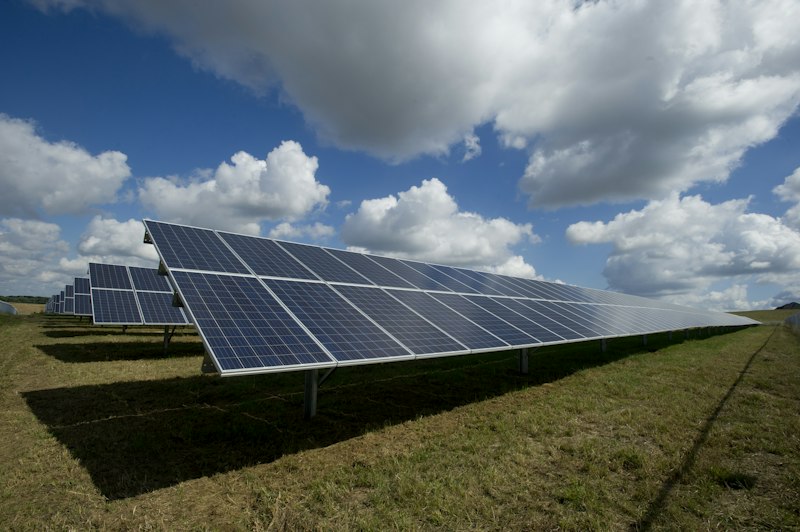
EF ECOFLOW 400W Portable Solar Panel
400W foldable portable solar panel with adjustable kickstand case.
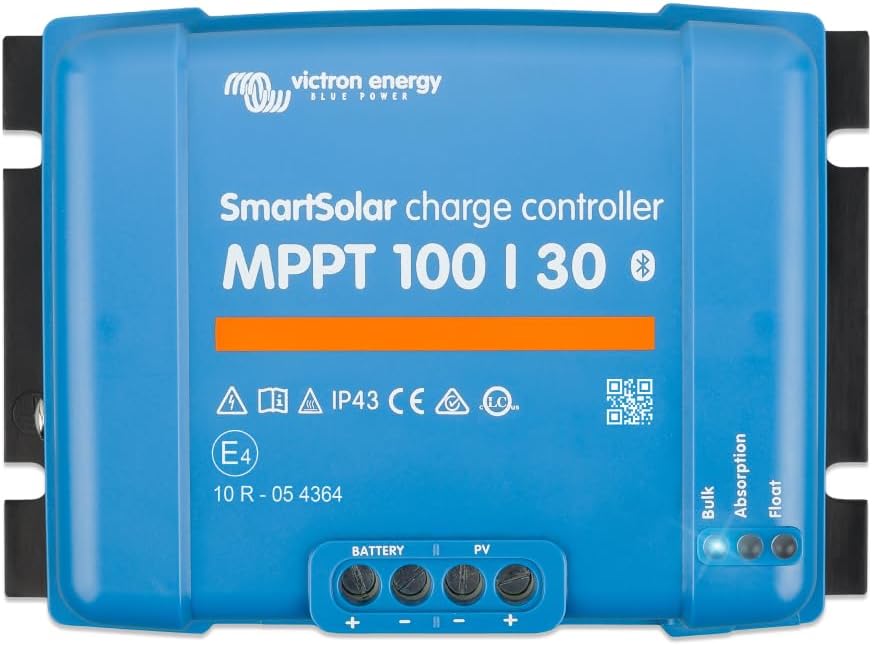
Victron Energy SmartSolar MPPT 100V 30A (Bluetooth)
MPPT solar charge controller with Bluetooth for monitoring and configuration.

Renogy 48V 50Ah LiFePO4 Battery (Self-Heating)
48V LiFePO4 battery with integrated BMS and self-heating feature.
Off-Grid Equipment Shop
Top-rated equipment for your self-reliant lifestyle
EF ECOFLOW 400W Portable Solar Panel
400W foldable portable solar panel with adjustable kickstand case.

Victron Energy SmartShunt 500A (Bluetooth)
Bluetooth battery shunt monitor for accurate state-of-charge tracking.

Victron MultiPlus 24/3000/70-16 Inverter Charger
Professional 24V inverter/charger with PowerAssist. Seamless transfer switch for hybrid systems.

Nature's Head Self Contained Composting Toilet
Waterless composting toilet with urine diverter, ideal for cabins and RVs.
New Resources
Explore our latest tools and insights for off-grid living
Tech Matrix
Comprehensive comparison of off-grid technologies. Analyze suitability, ROI, and DIY difficulty for water and energy systems.
AI Insights
Discover the future of off-grid living. Learn about symbiotic technologies, the DIY revolution, and regional adaptability.
Start Where You Are
Everything here is free, works offline, and doesn't ask for your email