
By Dave Miller · off-grid sparky · 22 years wiring solar, batteries and sheds in central QLD
“After losing half my battery bank to a brutal 2021 heatwave, I learned that storm windows are the only off-grid insulation that actually pays for itself.”
By Dave Miller · off-grid sparky · 22 years wiring solar, batteries and sheds in central QLD
“After losing half my battery bank to a brutal 2021 heatwave, I learned that storm windows are the only off-grid insulation that actually pays for itself.”
Look, if you're off-grid in Australia and your house is freezing in winter or sweltering in summer, storm windows aren't some fancy luxury. They're the cheapest, most effective insulation fix you'll ever make. No fluff. Just results.
Interior (inside the house): Cheap, easy, and you can do it yourself. Stick acrylic panels or polycarbonate sheets over your existing window. Costs $80-$200 for a standard window. Pros: No weather damage, no tools needed. Cons: Takes up a tiny bit of space, looks a bit industrial. Best for: Renters, budget off-gridders, or anyone wanting results yesterday.
Exterior (outside the house): Proper secondary glazing. Frames mounted outside your main window. Costs $300-$600 per window. Pros: Better insulation (blocks cold/wind better), no space taken inside. Cons: Needs a pro to install, weatherproofing matters. Best for: Serious off-gridders who want the real deal. Skip this if you're on a shoestring.
Here's the truth: For most off-grid Aussies, interior storm windows are the smart move. You'll save 20-30% on heating costs immediately. Exterior is overkill unless you're in the high country or coastal Tasmania.
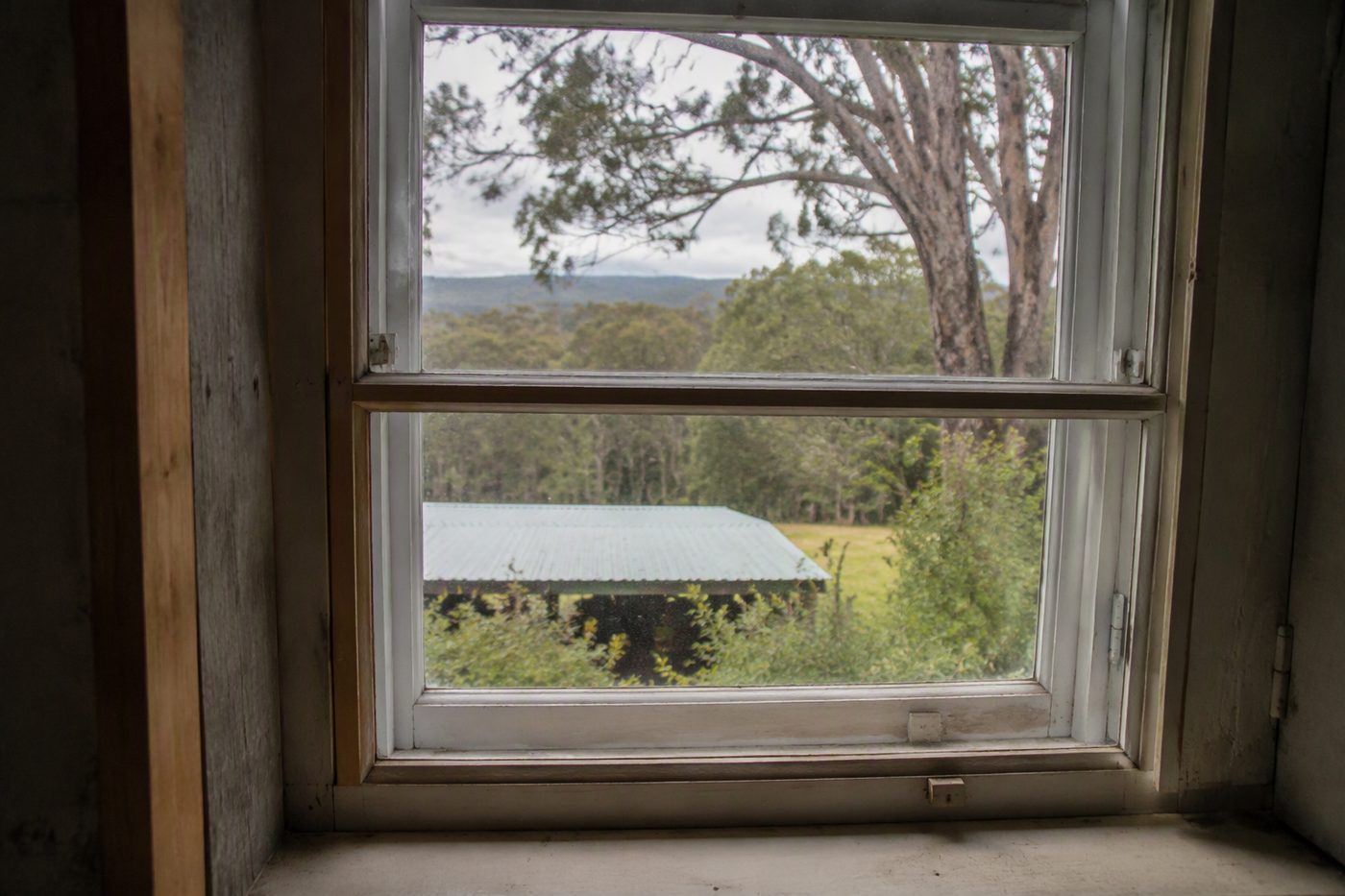
Big mistake: Sealing storm windows completely. That trapped air = condensation. And condensation = mould, rot, and ruined windows. Simple fix: Leave a 2-3mm gap at the bottom of the storm window. That's all it takes. No fancy gadgets. Just a tiny gap for air to circulate.
If you're in a humid area (like Cairns or the Wet Tropics), run a small dehumidifier in the room for 1-2 hours a day. Costs $20-$30. Worth every cent. Don't skip this. It's the difference between a working system and a mouldy disaster.
While many off-grid projects are achievable as DIY, certain situations require licensed professionals:
Always check local regulations and obtain necessary permits before commencing work.
Worth a watch: Does Reflectix Really Work for RV Windows? Install + Infrared Test · MI Off-Grid Adventures