
By Jenny Mills · rural nurse & homesteader · health, safety, law and the paperwork of going bush
“After the $45,000 bushfire loss, I learned that standard home insurance leaves your off-grid well and solar array completely unprotected.”
Standard Australian home policies assume mains power, town water and a fire station down the road, so off-grid properties fall through the cracks. This guide shows what cover actually protects solar arrays, tanks and bushfire-exposed blocks.
After years sorting comprehensive cover for solar-powered houses, rural retreats and self-sufficient blocks across Australia, I've watched standard policies fall apart the moment a property goes off the grid. The fine print is built around mains connections and nearby emergency services, and it rarely covers the real costs when something fails on a self-sufficient block.
By Jenny Mills · rural nurse & homesteader · health, safety, law and the paperwork of going bush
“After the $45,000 bushfire loss, I learned that standard home insurance leaves your off-grid well and solar array completely unprotected.”
Out here, off-grid living works, but the standard policies stop at the bitumen. They won't cover the remote parcel, the solar array, the water tanks, or the bushfire risk that actually keeps me up at night. The paperwork is where it falls apart, and I've seen neighbours miss the fine print and end up paying out of pocket after a fire. That kind of mistake sticks with you.
Copyright 2026 Off-Grid Master
Standard home insurance won't cover off-grid kit. Solar panels, rainwater tanks, and backup generators sit outside the usual wording, and most insurers will tell you straight they won't touch it. I've had to ring around well past the standard policies to find a provider willing to list the gear on the schedule:
Traditional insurers like NRMA and QBE often exclude off-grid features. Instead, seek specialized providers like Off-Grid Insure (Australia's only off-grid specialist) or Rural Insure Australia.
I note we may earn a commission if you purchase through these links. This supports Off-Grid Master's research.
Rural properties require layered coverage that accounts for unique risks:
My own 10-hectare off-grid property needs $150,000 building cover, $50,000 contents and $20,000 livestock written in. A standard rural policy doesn't come close. Last month a neighbour's claim was knocked back because his insurer applied generic rural rates that excluded the solar array and water infrastructure entirely. He copped the full repair bill.
Top provider for rural properties: AgriInsurance Australia (specializing in remote agricultural properties).
Liability coverage is non-negotiable for off-grid properties due to:
Most insurers will deny claims for off-grid properties without explicit liability coverage. I won't sign a policy that doesn't state it outright in the schedule, not buried in the PDS. The contract has to spell out:
"Coverage for accidents occurring on the property due to off-grid systems (solar, water, waste)"
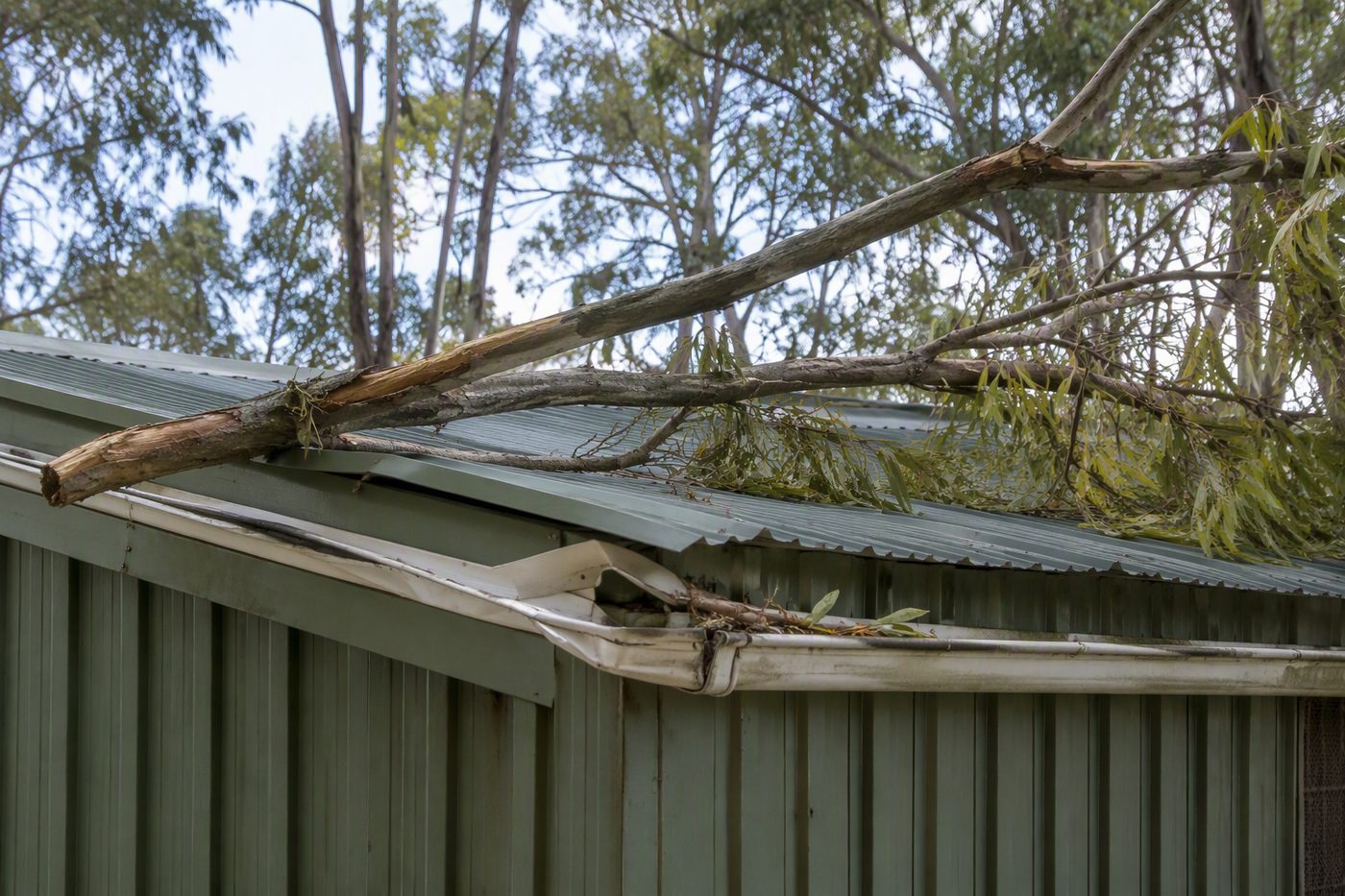
Standard car insurance won't cover:
Recommended insurer: Off-Road Insure (specializes in remote vehicle coverage). Standard policies like AMP exclude off-road use.
Off-grid insurance costs 25-50% more than standard policies due to higher risk. Here's a realistic cost breakdown:
| Coverage Type | Standard Policy (City) | Off-Grid Policy (Rural) | Key Cost Drivers |
|---|---|---|---|
| Home Building Insurance | $1,200-$1,800/year | $1,800-$2,600/year | Solar systems, bushfire risk, access road |
| Contents Insurance | $400-$700/year | $600-$1,000/year | Specialized equipment (water filters, generators) |
| Rural Liability | N/A | $300-$600/year | $20M+ coverage, remote access |
| 4WD Vehicle Insurance | $1,000-$1,500/year | $1,400-$2,200/year | Off-road coverage, remote towing |
| Total Annual Cost | $2,600-$4,000 | $4,100-$6,400 | 25-50% premium increase |
Pro Tip: Bundling home, vehicle, and liability coverage with a specialist provider (e.g., Off-Grid Insure Bundle) saves 15-20% versus buying separately.
Don't assume your standard policy covers off-grid living. Verify these 5 elements before purchasing:
Save time: Get quotes from Off-Grid Insure (specialist) and Rural Insure Australia (bundled rural coverage) – both offer free off-grid risk assessments.
Worth a watch: The One Off-Grid Land Risk Nobody Warns You About · Parcel Report
In my experience, it usually doesn't go far enough. Basic rural policies left gaps on my block, and I had to find cover that specifically accounted for my solar, batteries and water systems rather than treating them like a suburban house.
At a minimum I'd want solid home and contents cover, third-party liability on every remote property, and a proper 4WD policy if you're driving bush tracks. The article runs through each of those plus the pre-signing checks I do before I commit to anything.
Generally yes, from what I pay now compared to standard cover on a similar dwelling. Remote access, solar gear and the higher replacement costs on remote properties all push the premium up, and the article shows the difference side by side.
Not always, and that's exactly why I run a dedicated 4WD and off-road vehicle policy for the bush. Standard policies can have exclusions for remote and rough-road driving that catch people out when they lodge a claim.
While many off-grid projects are achievable as DIY, certain situations require licensed professionals:
Always check local regulations and obtain necessary permits before commencing work.