
By Jenny Mills · rural nurse & homesteader · health, safety, law and the paperwork of going bush
“After losing my first $4,000 solar battery to a heatwave, I learned that off-grid ROI demands a 30% safety buffer, not just optimistic spreadsheets.”
By Jenny Mills · rural nurse & homesteader · health, safety, law and the paperwork of going bush
“After losing my first $4,000 solar battery to a heatwave, I learned that off-grid ROI demands a 30% safety buffer, not just optimistic spreadsheets.”
Look, I’m not here to sell you fairy tales. Off‑grid isn’t free—it’s a cash outlay. You’re not throwing money away, though. This piece compares ideas, not products.
Look, I won’t tell you off‑grid is free. It’s not. I know because I’ve paid the bills. But it’s also not a money pit. From my own block, the investment pays back over time—no miracles, just numbers. So here’s the straight story.
Australian households pay $2,000-$3,000/year for electricity and gas. Off-grid kills that bill. Zero. Nada. But here's the catch:
5kW solar + battery system costs $12,000-$20,000 (after rebates). Payback period: 5-10 years. Example:
• $15,000 system → $2,500/year savings → Break even in 6 years. After that, it's pure profit.
Put the "free energy" sales pitch out of your head. Yes, off-grid beats the grid over time—I've run the numbers myself on my place. But if you can't afford the upfront costs, stay connected until you can. There's no shame in waiting.
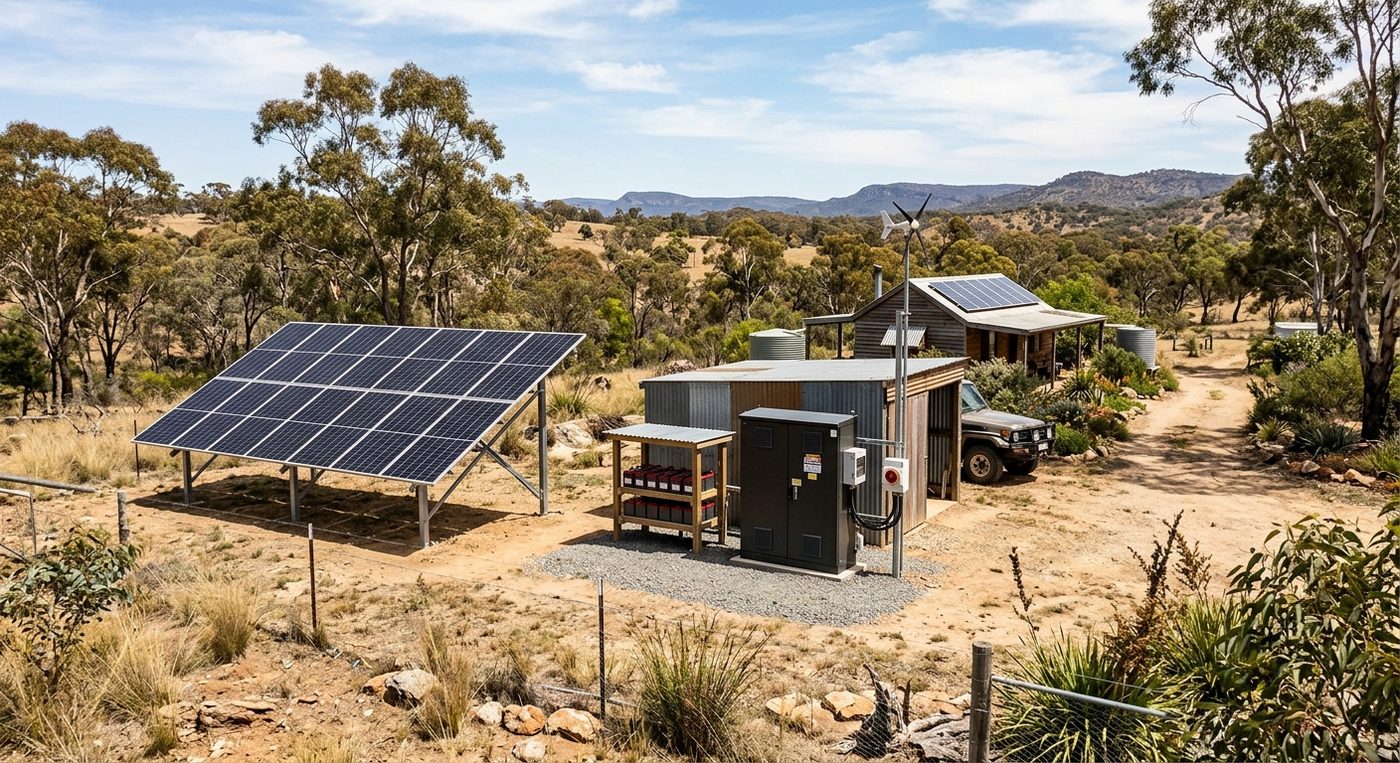
I see it in the market: off‑grid properties sell for 5‑10 % more in the bush, but only in rural areas. Real estate agents confirm this. Buyers want independence. This is a comparison of concepts, not a sales page.
Here’s the blunt truth: a city buyer won’t shift the price, and a broken system is a red flag. I’ve watched them walk away from a lemon.
My bottom line: off‑grid works if you’re in the bush, want to slash your bills, and can stomach the upfront cost. Run the numbers, get quotes, and don’t chase the dream without the cash. It’s a business decision, not a lifestyle whim. If you’re not willing to spend $15k now, stay on the grid and you’ll keep more money in your pocket.
While many off-grid projects are achievable as DIY, certain situations require licensed professionals:
Always check local regulations and obtain necessary permits before commencing work.
Worth a watch: We Ditched Full Off-Grid (Here's Why Hybrid Is Better) · Possum Ridge Farms