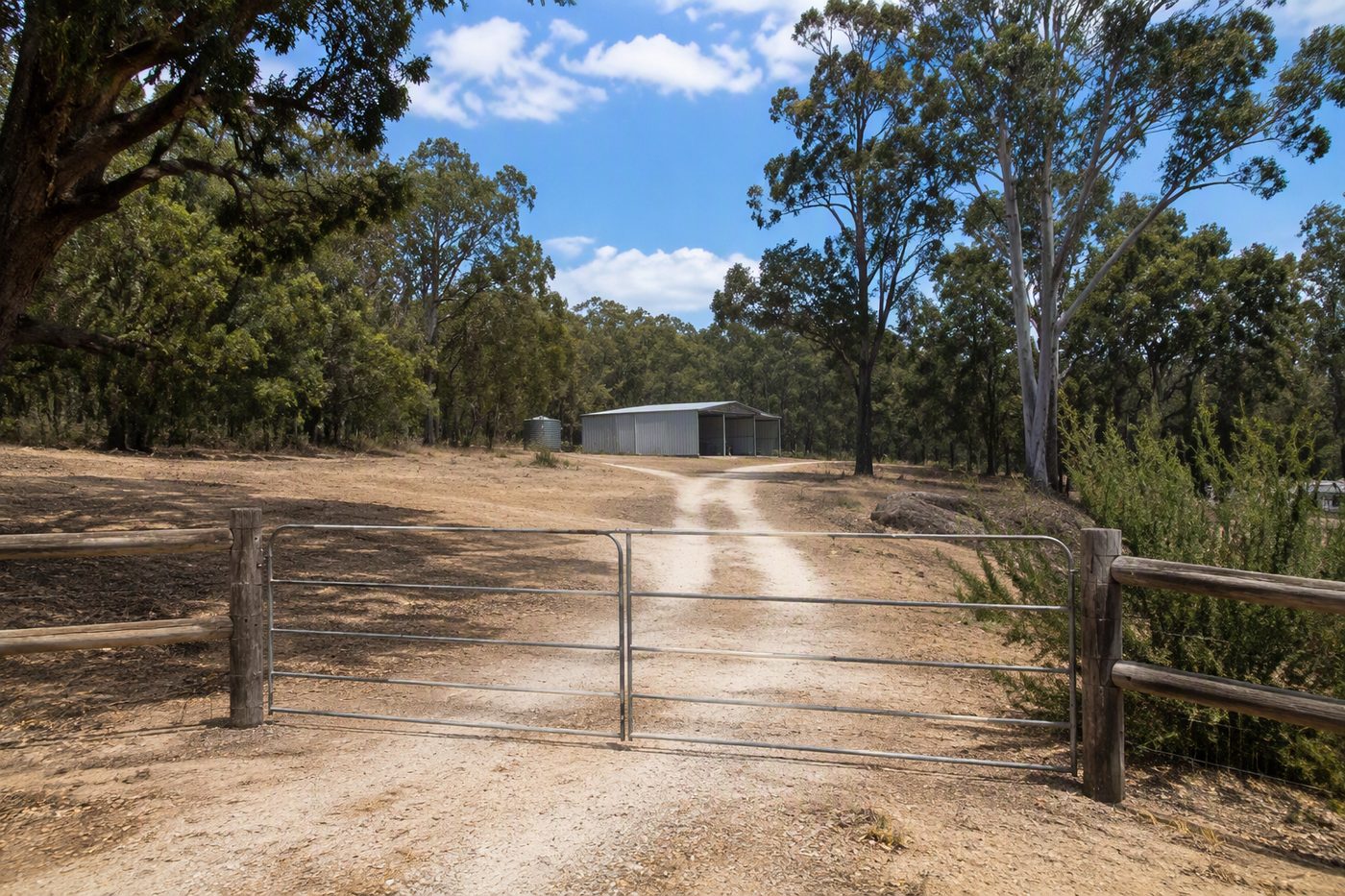
Off-grid living demands commitment, and so does borrowing money for it. I've watched lenders flag properties with solar arrays and rainwater tanks as high-risk before the valuer's even stepped out of the ute. That's the reality of financing a self-sufficient home.
What the Bank Actually Checks on an Off-Grid Application
In my experience, most lenders treat off‑grid blocks like a ticking time bomb. They’re used to houses hooked up to town water, the electricity grid and council sewer. My place has none of those, so the lender flags it as a liability.
No mains water? Banks freak out. They want a council-approved water supply. Rainwater tanks are fine, but you need a backup (like a bore) and a water report.
Solar-only power? Forget it. They'll demand a generator backup (diesel or gas) and a professional energy audit. No backup = rejected.
Compost toilets? Lenders don't care. They need a septic system approved by your local council. No council approval = no loan.
The Underwriter's Off-Grid Property Checklist
Forget the "off-grid" dream if you don't meet these non-negotiables:
Must have a mains connection backup (even if you don't use it). Banks won't touch a property that's 100% off-grid.
Need a professional site assessment ($500-$1,500) proving your water and power systems are viable long-term.
Must show resale potential. If your place has no sewer and no grid backup, it's a dead asset. Banks won't finance dead assets.
Practical Tip: Get a specialist off-grid assessor (not just a regular building certifier). Companies like Off Grid Australia or Solar Solutions do this for $800-$2,000. Banks will demand this report. Skip it, and your loan dies.
Australian Off-Grid Suppliers: What I've Actually Paid
Cheap kit kills loan applications. I watched a decent couple get knocked back last year because their inverter was a no-name unit the valuer flagged on the spot. Here's what I've put in on my own place and what it actually cost in 2024.
Water System (Mandatory Backup)
- Bore drilling: $3,500-$8,000 (depends on depth)
- 10,000L rainwater tank + pump: $2,200-$4,500 (e.g., Tanks Today)
- Council-approved septic: $8,000-$15,000 (e.g., Septic Solutions)
Power Backup (Non-Negotiable)
- 5kW solar + battery: $12,000-$18,000 (e.g., Aurora Solar)
- Diesel generator backup (required): $3,500-$6,000 (e.g., Yamaha)
The Bottom Line
Financed off‑grid mortgages myself, and the banks still call the shots. Every lender I've worked with refuses a pure off‑grid setup—no grid connection, no loan. You'll need mains backup, council approvals, and a professional report sitting in the file before an underwriter will glance at it. What they're really running is a five‑year resale test: can they on‑sell the property if you default? Walk in talking about an eco‑dream and they'll wrap the meeting up early. Drop the backup and the answer comes before you've finished saying "solar panels.
Sort Systems Before Booking
I've watched too many clients march into a lender's office clutching nothing but a dream and a glossy brochure. Sort the backup systems first. Compile the reports. Then, and only then, book the appointment. Skip that sequence and you're the one wasting your own afternoon.
⚠️ SAFETY WARNING: Working with electrical systems, structural modifications, or gas installations carries inherent risks. If you are not confident in your abilities, always engage a licensed professional.
It goes through the exact paperwork lenders request for off‑grid properties, like proof of water rights and approved waste systems, which is exactly the info I cover in the guide.— Jenny Mills
When a Rural Mortgage Broker Earns Their Fee
While many off-grid projects are achievable as DIY, certain situations require licensed professionals:
Electrical work beyond basic 12V DC additions — requires a licensed electrician
Structural modifications to buildings or load-bearing elements
Gas line installation or modification
Solar array installations above safe voltage thresholds
Any work that affects the structural integrity of your property
Always check local regulations and obtain necessary permits before commencing work.