Off-Grid Insurance in Australia: No Bull, Just Cover
By Jenny Mills· rural nurse & homesteader · health, safety, law and the paperwork of going bush
“After my ute rolled down a gully costing $12,000 to fix, I learned off-grid insurance isn't optional; it's the only thing standing between you and bankruptcy.”
Listen up. You're living off-grid. You've got solar, wind, maybe a dam. You think insurance is optional? You're dead wrong. If your gear burns, floods, or gets stolen, you're on the hook. No insurance = no safety net. Period.
What Actually Needs Cover (Don't Skip This)
Standard home insurance won't touch your off-grid setup. Here's what you must cover:
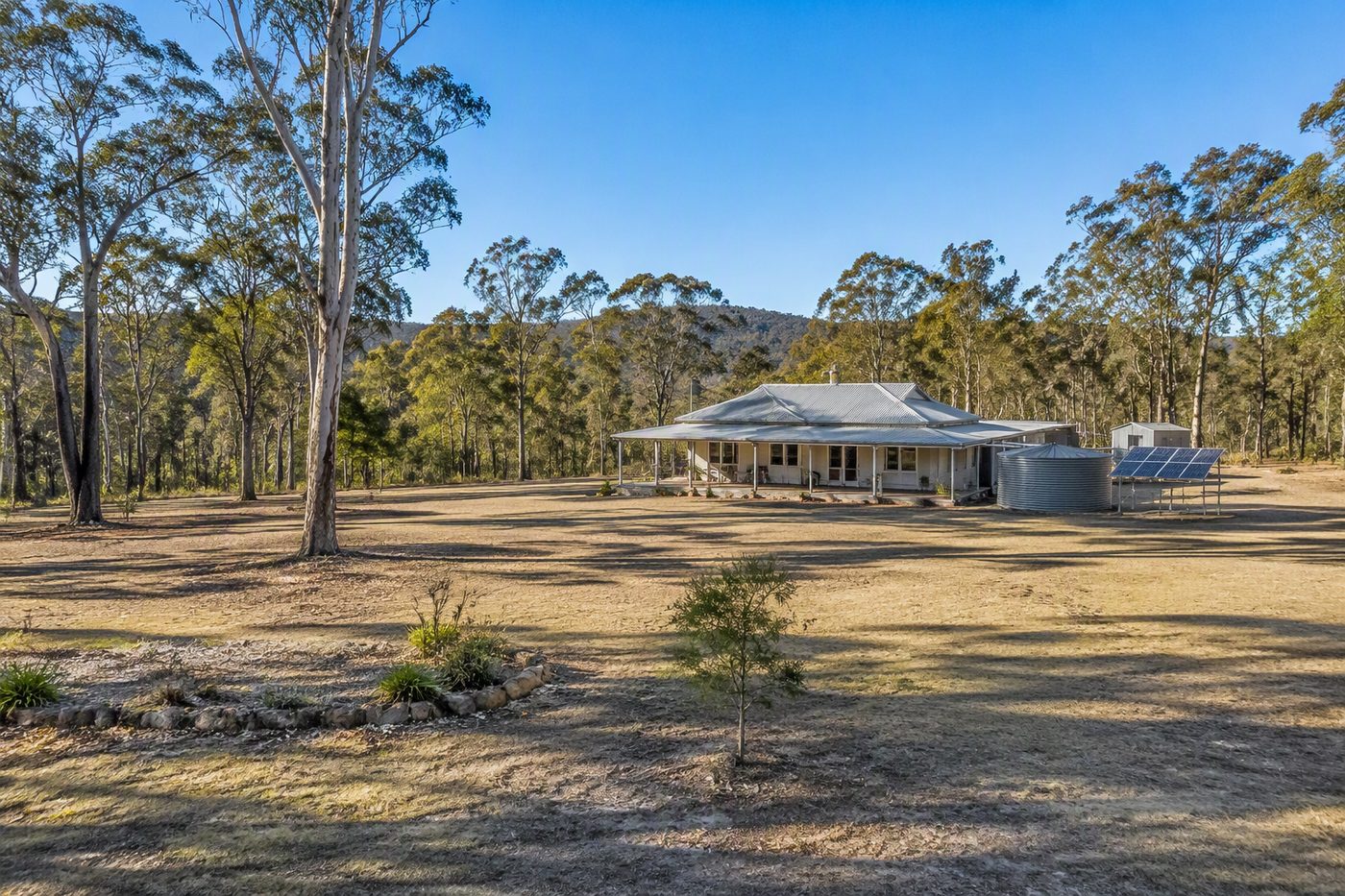
Solar/Wind Gear: Panels, inverters, batteries. Standard policies exclude these. You need specific cover. A 5kW solar setup isn't "part of the roof" — it's $8k+ worth of gear.
Water Systems: Rainwater tanks, pumps, filters. If they fail, you're without water. Most insurers won't cover these unless you list them.
Liability: Your wind turbine falls on a neighbour's car? You're liable. Standard policies often exclude off-grid liability.
Bushfires/Floods: Common in Australia. If your policy doesn't cover these, you're screwed. Check the fine print.
Australian Providers: Who's Actually On Your Side
Big insurers (QBE, AMP, Allianz) sell off-grid add-ons, but they're expensive and don't get it. Specialist insurers are the way to go. Here's the real deal:
Off-Grid Insurance Australia: Specialist insurer. Covers solar, water systems, liability. Base policy: $500-$800/year for a typical setup. No hidden tricks.
QBE/AMP/Allianz: Add-ons cost $200-$500 extra. You'll pay $1,000-$1,500 for the same cover a specialist gives you for $500-$800. Don't be a fool.
Bottom line: Go specialist. Big insurers don't specialise in off-grid. They'll nickel-and-dime you.
Practical Tips: How to Avoid Getting Ripped Off
Tip 1: Inventory EVERYTHING — List each solar panel, battery, pump. Don't say "solar setup." Say "4x 400W panels, 1x 10kWh battery, 1x water pump." Insurers need this. If you don't have it, they'll deny your claim.
Tip 2: Demand "Replacement Cost" — Not "indemnity." You want to replace your gear, not get 50% of its value. If they say "indemnity," walk away.
Tip 3: Check Bushfire/Flood Cover — In Australia, this isn't optional. If your policy says "excludes natural disasters," it's useless. Ask: "Does this cover bushfire damage to my solar array?"
Tip 4: Don't Assume Your Home Insurance Covers It — It doesn't. You must add off-grid cover. Always. No exceptions.
Pricing: What You're Actually Paying
Here's the blunt truth (for a typical off-grid home in Australia):
$700-$1,200/year — With a 5kW+ solar setup (batteries, inverters included).
$1,000-$1,500/year — Big insurer add-on (same cover, but you pay more).
That's $300-$700 saved by going specialist. Don't waste money on insurers who don't get off-grid.
Final word: Insurance isn't a luxury. It's your safety net. Skip it, and you're gambling with everything you've built. Get specialist cover, list your gear, and stop being a dumb Aussie. Your off-grid life depends on it.
⚠️ SAFETY WARNING: Working with electrical systems, structural modifications, or gas installations carries inherent risks. If you are not confident in your abilities, always engage a licensed professional.
It details the step‑by‑step process for wiring an SPD to a battery bank and explains why correct grounding prevents damage, something you need to know before you ever file a claim.— Jenny Mills
When to Call a Professional
While many off-grid projects are achievable as DIY, certain situations require licensed professionals:
Electrical work beyond basic 12V DC additions — requires a licensed electrician
Structural modifications to buildings or load-bearing elements
Gas line installation or modification
Solar array installations above safe voltage thresholds
Any work that affects the structural integrity of your property
Always check local regulations and obtain necessary permits before commencing work.