Look, if you're off-grid in Australia and want kimchi that won't turn into swamp gas, you need to cut the crap. Here's the real deal.
Comparison table of four kimchi variations by vegetable, ferment time and heat level.
Regional Variations (Forget Fancy, Stick to Basics)
Most "regional" kimchi you see online is bullshit for Aussies. Korean provinces use specific radishes, seafood, or salt levels. Down here? You're stuck with the standard. Why? Because getting Korean radishes or fish sauce off-grid is a pain. So:
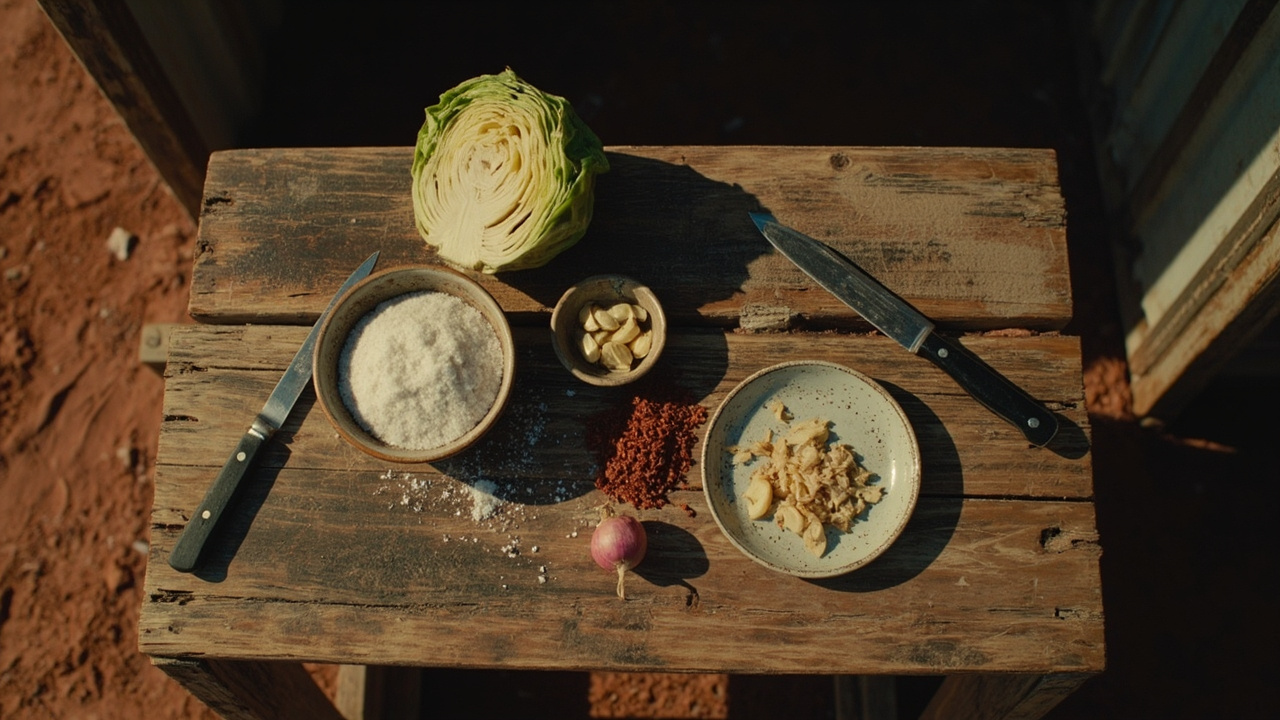
Bare basics: cabbage, salt, garlic, chili, nothing else
Standard kimchi: Napa cabbage, gochugaru, garlic, ginger, fish sauce. That's it.
Avoid "regional" traps: No one's making Gwangju-style kimchi off-grid with local mussels. Skip it.
Local hack: If you've got capsicums, use them as a gochugaru substitute (but it'll taste different). Don't waste time.
Fermentation Speed (Don't Let It Explode)
Speed depends on your shed temperature. No fridge? You're screwed if you don't manage this:
Tropics (Cairns, Darwin): Ferments in 2-3 days. Check it daily. If it's bubbling like a volcano, move it to a cooler spot (shaded cellar, not the hot shed).
Temperate (Melb, Sydney): Takes 5-7 days. Check every 24 hours.
Alpine (Tas, Canberra): Takes 2+ weeks. If it's not bubbling after 10 days, move it near the stove (not on it).
Red flag: If it smells like feet or looks slimy, chuck it. No second chances.
Storage (Off-Grid Reality Check)
Without a fridge? You've got two options:
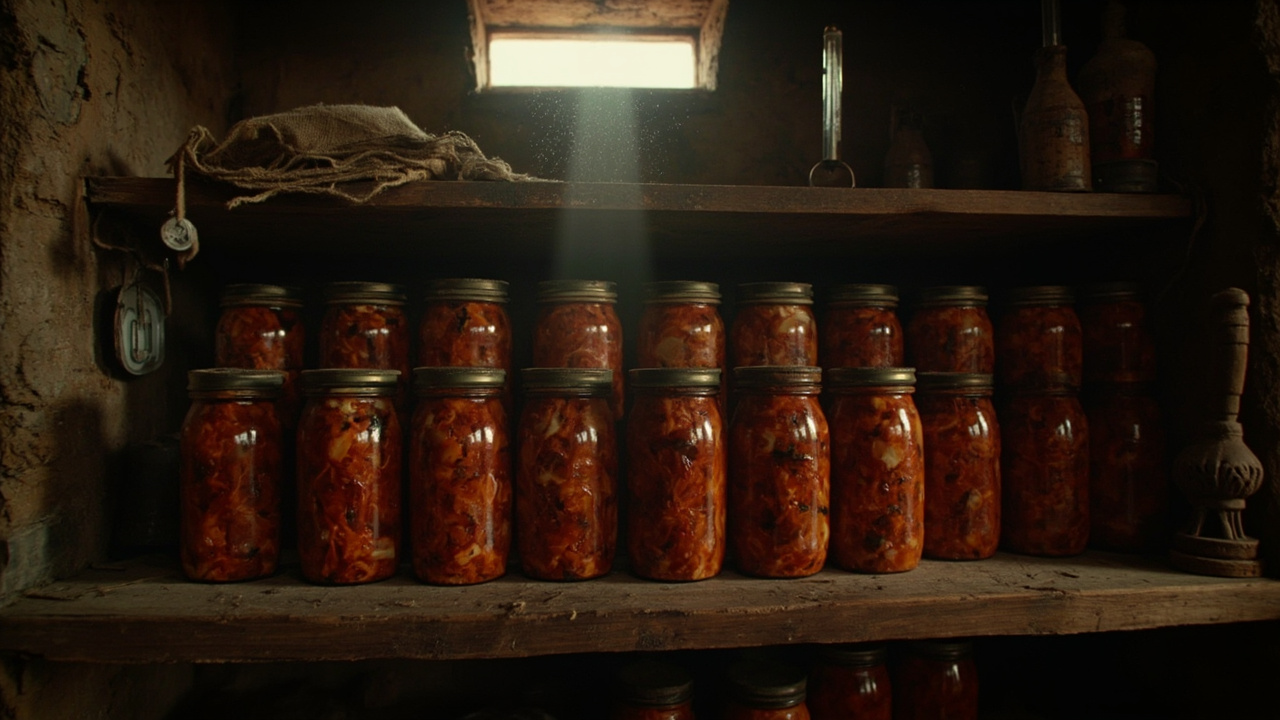
Sealed kimchi jars resting in a cool dark cellar
Option 1: Root cellar (if you've got one). Bury a sealed jar in the ground. Keeps it cool. Works for 3-4 weeks.
Option 2: Freeze it. Once fermented, scoop into freezer bags. It'll keep for months. Texture changes, but it's still edible.
Don't do this: Leave it in a bucket on the bench. It'll turn into a biohazard in 7 days.
Practical Aussie Tip: Grow your own garlic and ginger. It's dirt cheap ($2 for a packet of seeds) and you'll never run out. Napa cabbage? Buy it from the local market ($2.50/head) or grow it. No need for fancy imports.
Australian Suppliers & Pricing (No Bullshit)
Here's what you can actually get in Australia without a 2-hour drive:
Gochugaru (Korean chili flakes):
$15-$20 for 100g at Asian supermarkets (Sunny's in Melbourne, Ming's in Sydney).
Don't buy the $30 "premium" stuff. It's the same.
Fish sauce:
$5-$8 for a 300ml bottle at Woolworths or Asian stores.
Use the cheap one. It works.
Napa cabbage:
$2.50-$3.50 per head at farmers' markets.
Grow it yourself. Saves money and stress.
Final word: Don't overcomplicate it. Make small batches (1-2 heads of cabbage). If it's not ready in 7 days, move it to a warmer spot. If it's ready, eat it or freeze it. That's all you need to know.
⚠️ SAFETY WARNING: Working with electrical systems, structural modifications, or gas installations carries inherent risks. If you are not confident in your abilities, always engage a licensed professional.
It covers how to spot and treat heatstroke on the spot, which is a top cause of death in the bush and something every off‑grid Aussie should know.— Jenny Mills
When to Call a Professional
While many off-grid projects are achievable as DIY, certain situations require licensed professionals:
Electrical work beyond basic 12V DC additions — requires a licensed electrician
Structural modifications to buildings or load-bearing elements
Gas line installation or modification
Solar array installations above safe voltage thresholds
Any work that affects the structural integrity of your property
Always check local regulations and obtain necessary permits before commencing work.