Water Kefir: Off-Grid Brewing for Aussies (No Fluff)
By Sarah Chen· environmental engineer · water, waste and everything that flows downhill
“After losing three batches to Australian tap chlorine, I learned that 0.5mg/L of residual chlorine kills kefir grains faster than a drought kills crops.”
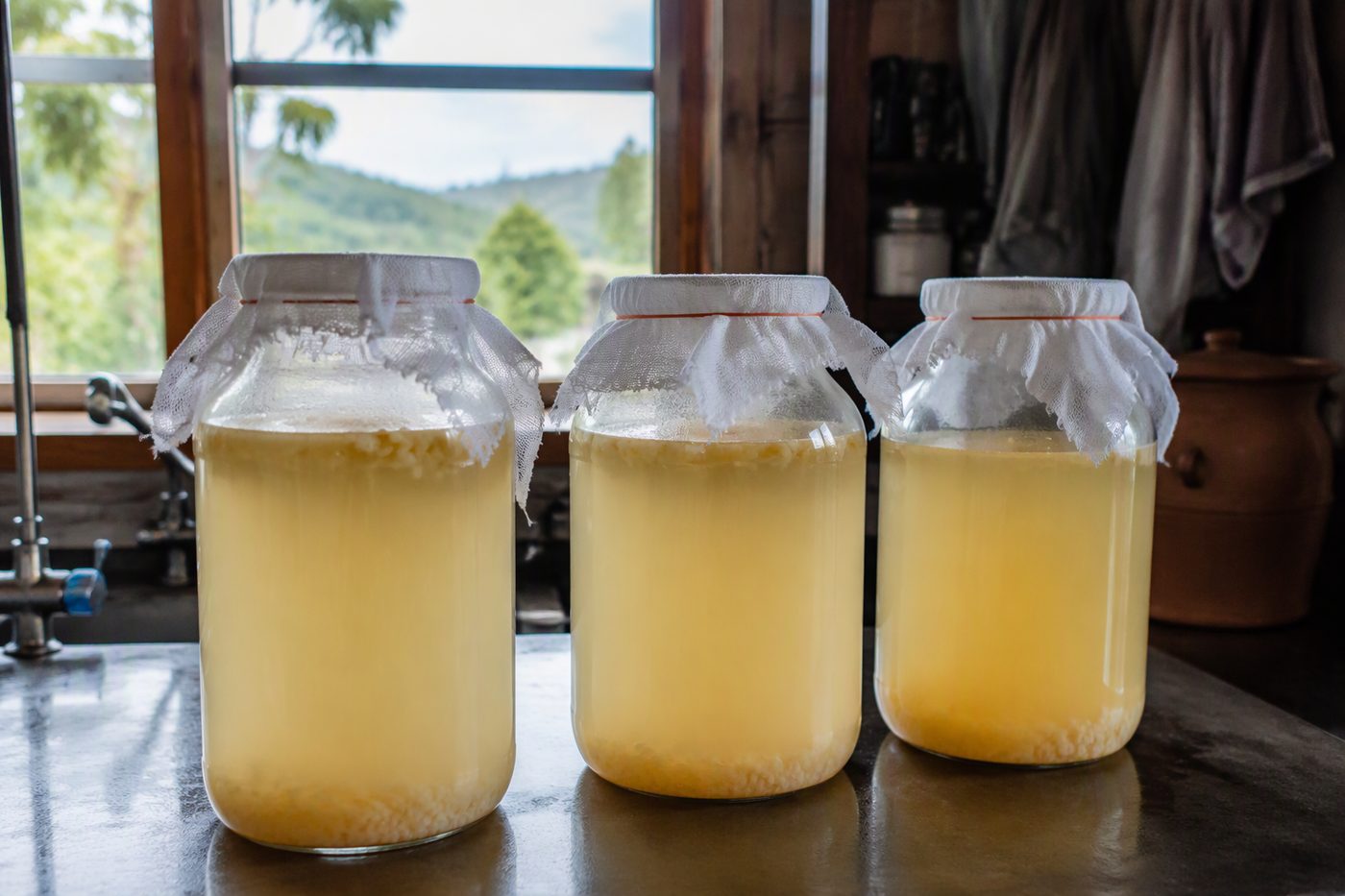
Forget the "magic" nonsense. Water kefir grains are just little fuzzy blobs of bacteria and yeast. They’re not alive like a pet—they’re a symbiotic culture. You don’t need fancy gear. Just a jar, a cloth, and a rubber band.
Don’t buy "starter cultures" online. They’re a waste of money. Get grains from a real person. They’ll be cheaper and way more reliable.
Australian Suppliers (2023 Prices)
Grains for Life (Melbourne): $25 for 10g grains. Ships in 2 days. No bullshit, just grains.
Wild Ferments (Brisbane): $30 for 15g. Includes free brewing guide. They’ve been doing this since 2015.
Don’t pay $50+ for "premium" grains. You’ll get the same results for half the price.
Fermentation: How It Actually Works
Put grains in a jar. Add 1 cup water + ¼ cup sugar (raw cane or coconut sugar). Cover with a cloth. Wait 24-48 hours. That’s it. No temperature control needed. In Australia, room temp (20-25°C) is perfect. If it’s hotter than 30°C, ferment for 24 hours. If it’s cooler, do 48.
Don’t overthink it. If it smells like vinegar or sourdough, it’s working. If it’s slimy or mouldy? Throw it out. That’s why you get grains from a real person—they’ve got the right culture.
Off-Grid Hack: Use a mason jar with a cloth lid. No need for expensive airlocks. Just a clean cloth and rubber band. Works in a shed or under a bush. No electricity.
Flavoring: Make It Yours (Without Breaking the Bank)
After the first ferment, strain out the grains. Add fruit, herbs, or citrus. No need for fancy syrups. Just 1-2 tbsp of chopped fruit (like lemon, ginger, or berries) per 1L of water. Ferment for 24 hours. Done.
Don’t add sugar. The grains already ate it. Just add flavour. No need to buy $15 "flavour kits". Use what’s in your garden or pantry.
*Pro tip: Avoid citrus peels (they’re bitter). Use the fruit itself. And never use honey—it kills the grains.
Practical Tips for Aussies
Water quality: Tap water is fine. If it’s super chlorinated (like in Perth), boil it first. Otherwise, skip it.
Storage: If you’re off-grid, keep grains in a jar with 1:1 sugar:water in the fridge. They’ll sleep for 2 weeks. No need for a fridge—just a cool, dark spot.
When to stop: If it tastes like beer (too strong), you over-fermented. Next time, do 24 hours. If it’s sweet, do 48. Simple.
Grains multiplying: They’ll double every 2-3 batches. Share them with a neighbour. No need to buy more.
Real Talk: You don’t need a $200 fermentation kit. A $5 jar from Bunnings and a $2 cloth from Woolworths will do. Stop wasting money on gear. The grains are the only thing that matters.
⚠️ SAFETY WARNING: Working with electrical systems, structural modifications, or gas installations carries inherent risks. If you are not confident in your abilities, always engage a licensed professional.
It walks through the three most common water kefir problems—like stalled fermentation and funky smell—and shows you exactly how to fix them with basic adjustments you can do with whatever sugar and water you have on hand.— Sarah Chen
When to Call a Professional
While many off-grid projects are achievable as DIY, certain situations require licensed professionals:
Electrical work beyond basic 12V DC additions — requires a licensed electrician
Structural modifications to buildings or load-bearing elements
Gas line installation or modification
Solar array installations above safe voltage thresholds
Any work that affects the structural integrity of your property
Always check local regulations and obtain necessary permits before commencing work.