Let's cut the crap. You want an off-grid toilet that doesn't smell like a dead possum? Incinerators are the only real option. But they're not all equal. Here's the blunt truth.
By Sarah Chen· environmental engineer · water, waste and everything that flows downhill
“After watching my first incinerator toilet burn 40kg of waste in one night, I learned that off-grid isn't just about leaving the grid, it's about mastering the heat.”
Comparison of electric and propane incinerator toilets, with shared safety and approval rules for both types.
Electric vs Gas: Which One's Worth Your Hard-Earned Cash?
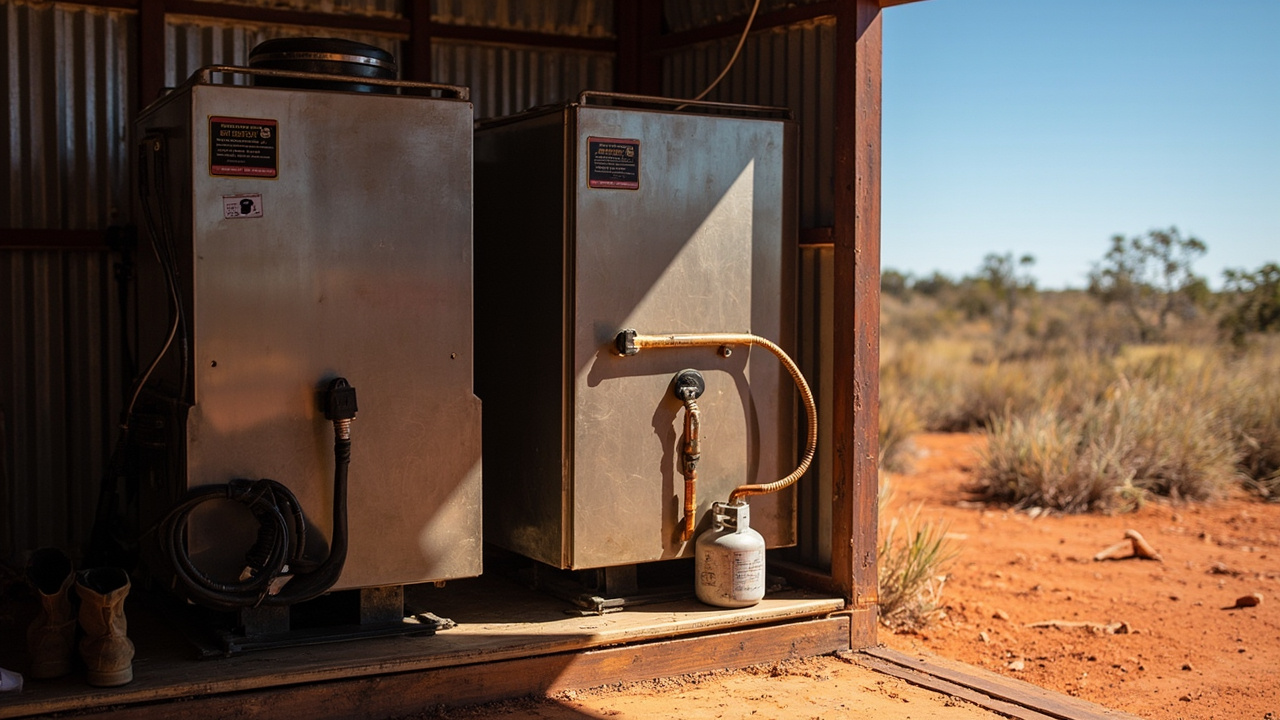
Electric: Needs constant power. You're screwed if the grid dies or your solar battery's flat. Good for permanent off-grid setups with reliable power. Bad for remote sites.
Electric and gas incinerator units side by side
Gas (LPG): Runs on bottled gas. Works when the sun's not shining. Cheaper to run long-term than electricity. But you need to refill bottles. No power needed. Best for true off-grid.
Verdict: If you're not 100% sure about your power, get gas. Electric is for people who think "solar backup" means "I'll just hope it works".
Ash Handling: It's Not Just About the Toilet, It's About the Mess
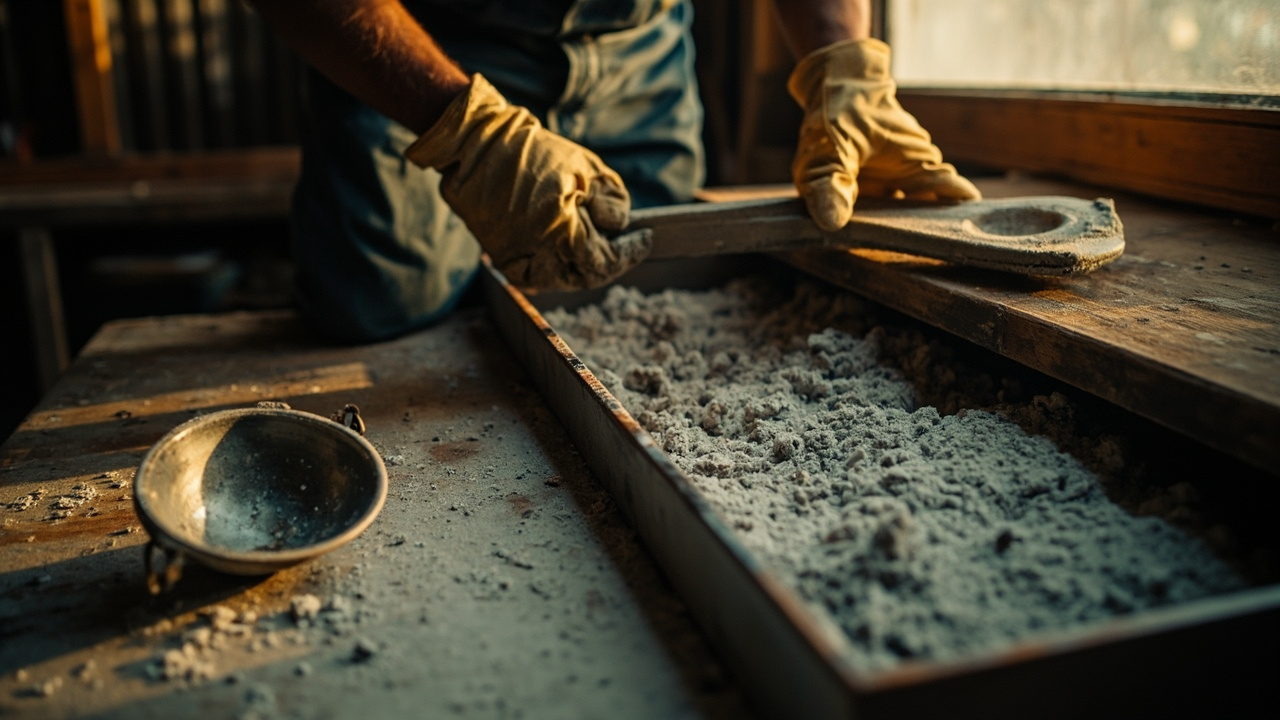
Incinerators turn waste into ash. You don't just dump it. Here's the reality:
Removing ash tray from incinerator toilet base
Most ash is sterile but still smelly. Don't chuck it in your veggie patch.
Use a dedicated, lidded container. Not your kitchen bin.
Check local rules: Some councils ban ash in landfill. Others want it bagged separately.
For remote sites? Dig a 30cm hole, bury it, cover with soil. Done. No fuss.
Pro tip: Never use the ash for anything. It's not compost. It's just... ash. And it stinks until it's buried.
Costs: What You're Really Paying For (Spoiler: It's Not Cheap)
Don't get suckered by "cheap" models. This isn't a $200 compost bin.
$1,800–$3,500 for a decent gas model (e.g., Biolet, Thetford)
$2,200–$4,000 for electric (e.g., Sun-Mar, Ecosan)
Gas bottles: $25–$40 every 3–4 months (depends on usage)
Annual maintenance: $150–$300 (cleaning, parts)
Electric models cost more upfront and long-term if you're relying on solar. Gas is cheaper to run but needs bottle swaps.
Practical Tips: What Brochures Don't Tell You
Size matters: Get a model rated for 2+ people. Don't skimp.
Location: Put it in a shed or enclosed area. Wind blows ash everywhere.
Don't use toilet paper: It won't burn. Use biodegradable wipes or just water.
Test it before you need it: Run it for 24 hours on your property. See if it works.
Gas models need a 1m clearance from walls. Electric needs a power point.
Aussie Suppliers & Pricing (indicative prices)
Stop buying from dodgy online stores. Get it from these legit Aussie suppliers:
Off Grid Australia: Biolet 2000 gas model – $2,995 (includes gas bottle holder)
Eco-Products: Thetford C2000 gas – $3,250 (with 12-month warranty)
Gas bottles: $35 at any Bunnings or LPG supplier (2kg refill)
Don't pay $4,500 for a "premium" model. These are the real prices. No markups.
⚠️ SAFETY WARNING: Working with electrical systems, structural modifications, or gas installations carries inherent risks. If you are not confident in your abilities, always engage a licensed professional.
Sarah Yak spends 18 minutes walking through the Cinderella incinerator's wiring, ventilation, and ash handling in a van, which directly mirrors the setup steps I outline for off‑grid Aussie homes.— Sarah Chen
When to Call a Professional
While many off-grid projects are achievable as DIY, certain situations require licensed professionals:
Electrical work beyond basic 12V DC additions — requires a licensed electrician
Structural modifications to buildings or load-bearing elements
Gas line installation or modification
Solar array installations above safe voltage thresholds
Any work that affects the structural integrity of your property
Always check local regulations and obtain necessary permits before commencing work.
Frequently asked questions
Can I realistically run an incinerating toilet on solar?
Technically yes, practically no. A family of four at ~16 flushes/day adds 12 to 32 kWh/day just for the toilet. That requires 14 to 36 kWh of battery and 3 to 8 kW of extra PV at Australian insolation. Incinolet Canada's own line: "technically yes, but we don't advise it."
What's the cheapest off-grid option energy-wise?
A composting toilet's 12V fan draws 0.8 to 2.5 W, about 9 to 22 kWh/year. That is solar-trivial and off-grid homeowners will never see it on the meter. The trade-off is manual emptying and site discipline, not energy infrastructure.
What about propane + 12V units like the Cinderella Freedom?
They are the middle path: ~16 Wh plus 130 to 190 g LPG per cycle, runnable off a single 100 to 200 W panel and a 100 Ah battery. Sun-Mar's electric drum class is the hidden-cost option, at ~150 W continuous averaging out to ~1,314 kWh/year. A family of four on a Cinderella Freedom burns ~2.6 kg LPG/day, roughly A$290 to 440/month at Australian swap-bottle prices, so budget accordingly.