By Sarah Chen · environmental engineer · water, waste and everything that flows downhill
“After one failed blackwater tank overflowed my entire veggie patch, I learned that in the Australian outback, you need a 5,000-litre buffer, not a guess.”
Blackwater treatment for off-grid Australia starts with separating toilet waste from greywater, then composting or septic processing. A compliant setup costs from $150 and prevents contamination of tanks, soil and bores. Here is what actually works in the bush, with AUD pricing.
Blackwater (toilet waste) is a pain in the arse if you're off-grid. You don't want it stinking up your camp or contaminating your water. Here's how to handle it properly – no fancy jargon, just what works in Australia.
By Sarah Chen · environmental engineer · water, waste and everything that flows downhill
“After one failed blackwater tank overflowed my entire veggie patch, I learned that in the Australian outback, you need a 5,000-litre buffer, not a guess.”

Blackwater (toilet waste) is a pain in the arse if you're off-grid. You don't want it stinking up your camp or contaminating your water. Here's how to handle it properly – no fancy jargon, just what works in Australia.
Don't mix blackwater with greywater (sink/shower water). AS/NZS 1547:2020 says you need separation for safe on-site systems. Greywater can go straight to garden, but blackwater needs treatment. Simple as that.
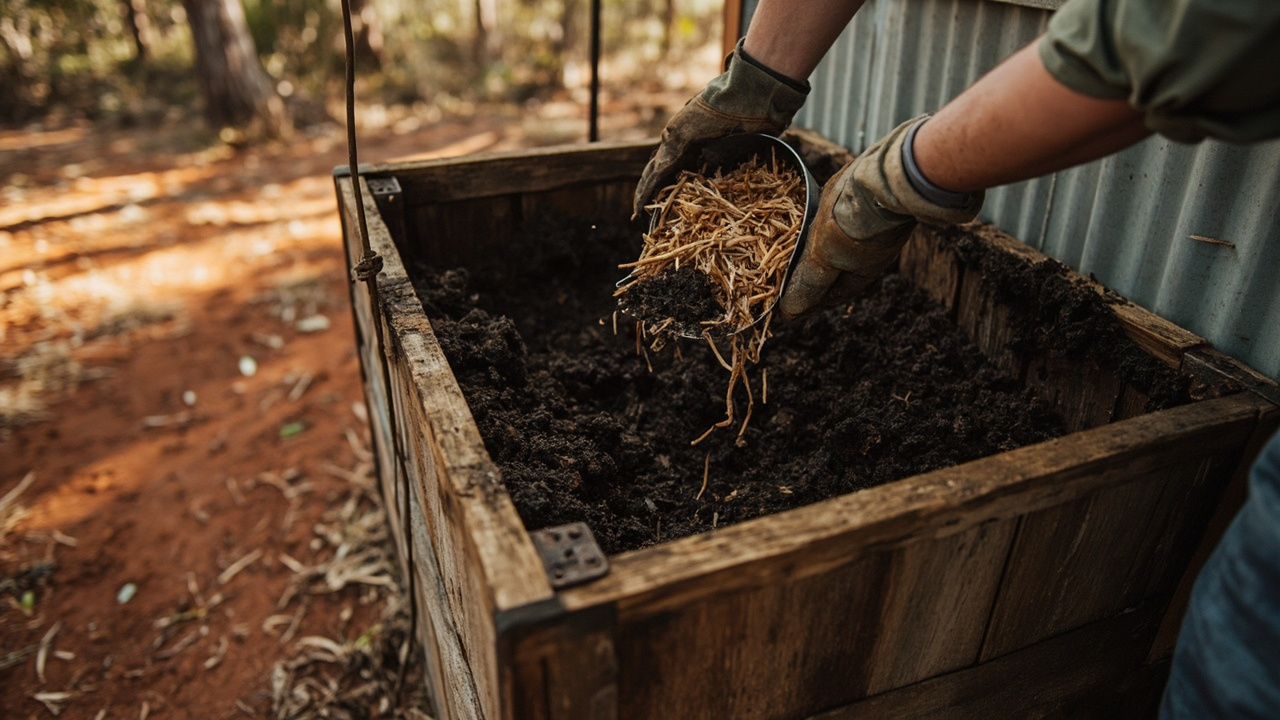
Composting toilets are the Aussie standard for blackwater. They use heat and time to kill pathogens. Key rules:
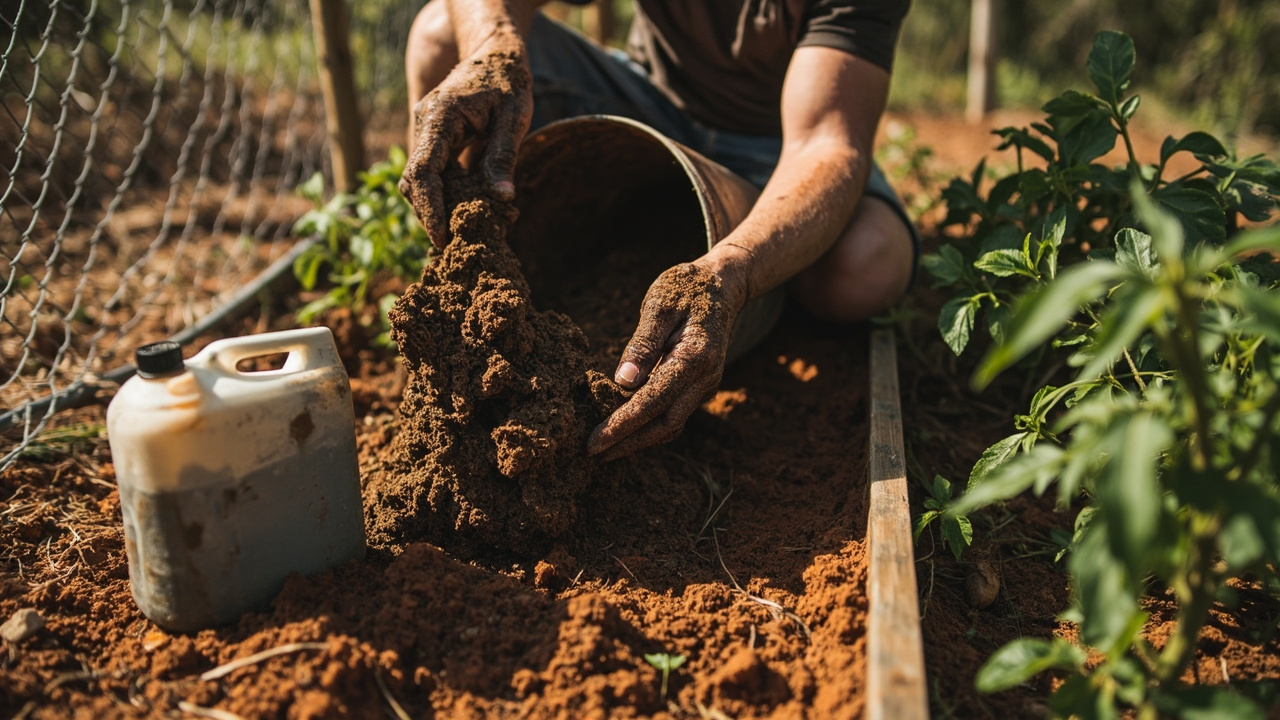
That compost isn't just waste – it's free fertiliser. After 12 months, use it on fruit trees or native gardens (not vegies). Australian soils need it. Skip the chemicals.
| System | Price (AUD) | Best For | AU Supplier |
|---|---|---|---|
| Urine-Diverting Composting Toilet | $1,200 - $2,500 | Small off-grid cabins, low water areas | Vakuum Australia |
| Self-Contained Compost Toilet | $850 - $1,800 | Family off-grid, no plumbing | Nature's Head (AU stock) |
| Blackwater Digester (Commercial) | $3,500 - $6,000 | Large properties, multiple toilets | Eco-Drain |
Don't waste time with overseas suppliers. Get these locally:
Blackwater treatment isn't rocket science. Separate it, compost it properly, and use the end product. Saves you money, keeps your property clean, and works in Australia's climate. No excuses. Get the right system from an AU supplier – it's cheaper and faster than fixing a mess later.
While many off-grid projects are achievable as DIY, certain situations require licensed professionals:
Always check local regulations and obtain necessary permits before commencing work.
Worth a watch: Water Recycling with Reed Beds · Discover Permaculture with Geoff Lawton