
By Jenny Mills · rural nurse & homesteader · health, safety, law and the paperwork of going bush
“After losing three bales to rot in the dam, I learned that hay must hit 15% moisture before baling, or the heat will ignite your shed.”
By Jenny Mills · rural nurse & homesteader · health, safety, law and the paperwork of going bush
“After losing three bales to rot in the dam, I learned that hay must hit 15% moisture before baling, or the heat will ignite your shed.”
Off-grid? You need hay. But if you're wasting 30%+ of it, you're just throwing money away. Here's how to do it properly.
Off-grid? You need hay. But if you're wasting 30%+ of it, you're just throwing money away. Here's how to do it properly.
Wait until the grass is dry. No rain in the forecast? Cut it. If it's wet, you'll get mould and lose half your crop. Morning dew? Wait until 10am. Get it right or it's garbage.
Target 15-20% moisture. If it's wetter, it rots. Drier? It blows away. Use a moisture meter ($80-$150 from Agri-Science). Don't guess.
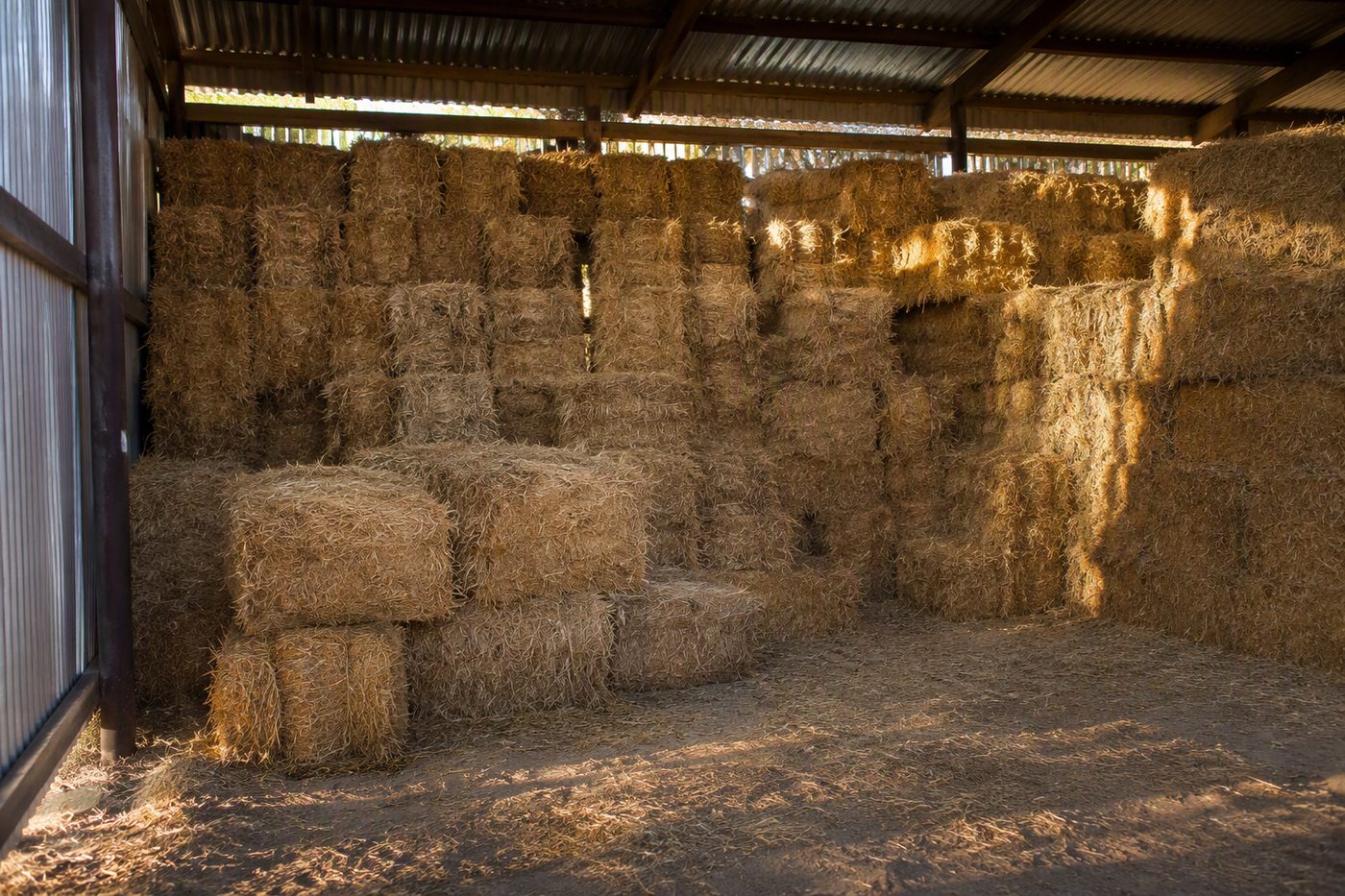
Hay on the ground? It's dead. Here's the fix:
Most people lose hay to:
Simple. Cheap. Effective. If you skip these steps, you're just paying for hay that's already gone. Get it right the first time.
While many off-grid projects are achievable as DIY, certain situations require licensed professionals:
Always check local regulations and obtain necessary permits before commencing work.
Worth a watch: Hay Cutting Timing & Tips · SouthernStatesCoop