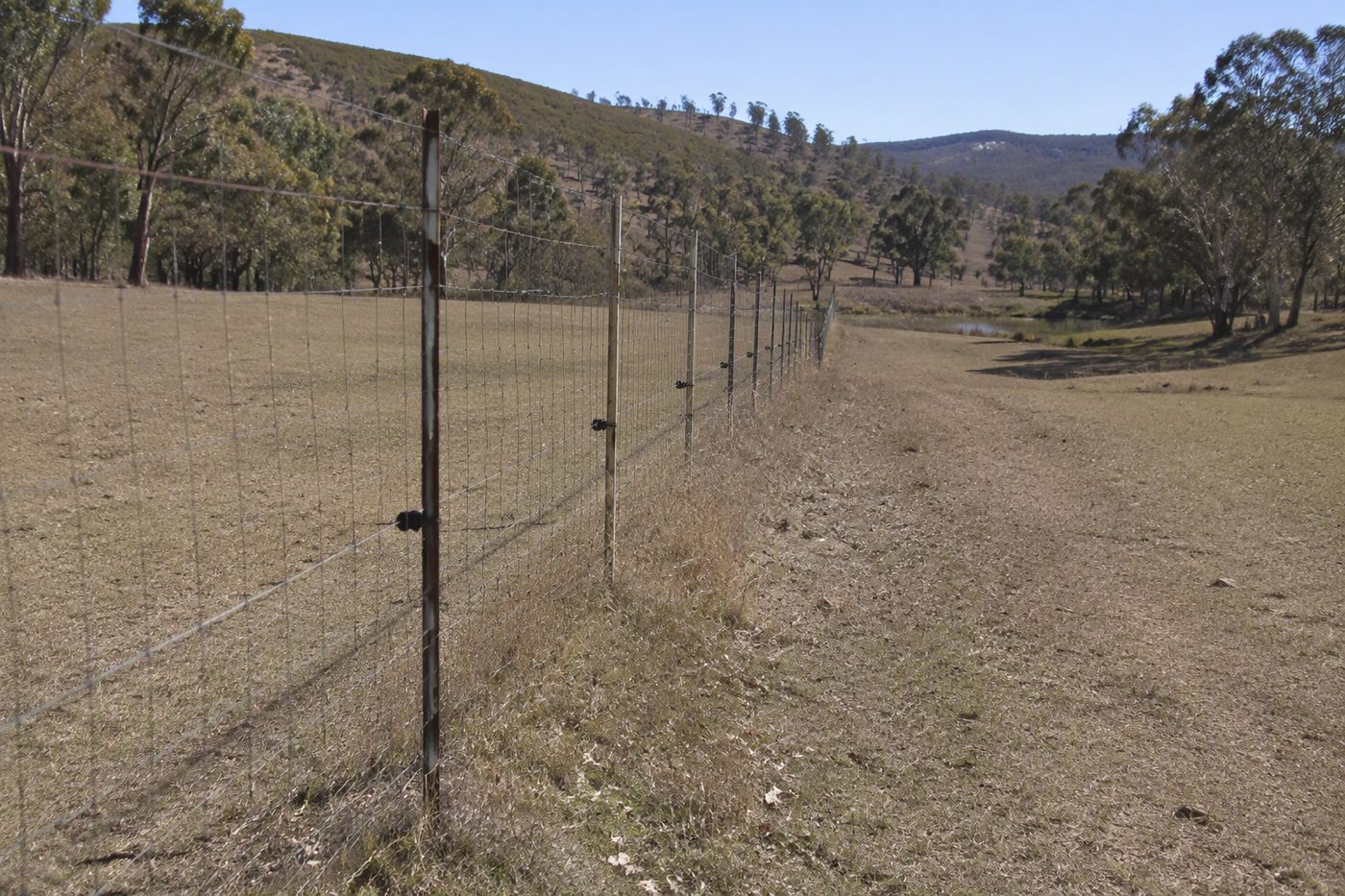
Goat fencing isn't a line in the dirt. It's what keeps your goats where they belong. Cut corners and you'll pay for it three ways: in AUD, in hours spent herding escapees back home, and in stress you carry around for days. Here's what actually works on the ground.
By Fiona Gallagher· permaculture designer · food, animals and preservation on 12 acres in Tassie
“After my first electric net snapped under a single persistent nanny goat, I learned that 12 acres demands heavy-duty livestock panels, not flimsy tape.”
Goat fencing isn't something you scratch into the dirt with your boot and call it done. It's the difference between a herd that stays put and a council fine that cleans out your wallet. I know because I paid for that lesson. A wandering billy landed me a fine that cost more than the cheap posts I tried to pinch pennies on. This guide tells you what actually works – not what's pretty on paper, but what holds goats in when they've decided they want out.
Goats Always Find the Weak Spot
Bessie walked straight through the cheap mesh near Hobart, no hesitation—just curiosity and brute strength. A dodgy fence costs you twice: once in materials, once in headaches. A proper one keeps the herd in, protects the property, and meets AS/NZS 1170.1:2020. The council fine I copped for her little adventure taught me that lesson once and for all.
What I bought, what it cost, and what I'd skip next time
Material
Pros
Cons
Electric Fencing
Cost-effective, portable
Needs regular maintenance
Woven Wire
Durable, long-lasting
Expensive, heavy
Hardware Cloth
Secure, prevents digging
Difficult to install
Chicken Wire
Easy to install
Not secure against determined goats
What Finally Kept the Goats In
Plan the Layout: Measure the area, account for terrain, and mark corners.
Check Legal Requirements: Confirm local council rules and AS/NZS standards.
Choose Materials: Mix electric fencing for perimeter and hardware cloth for critical zones.
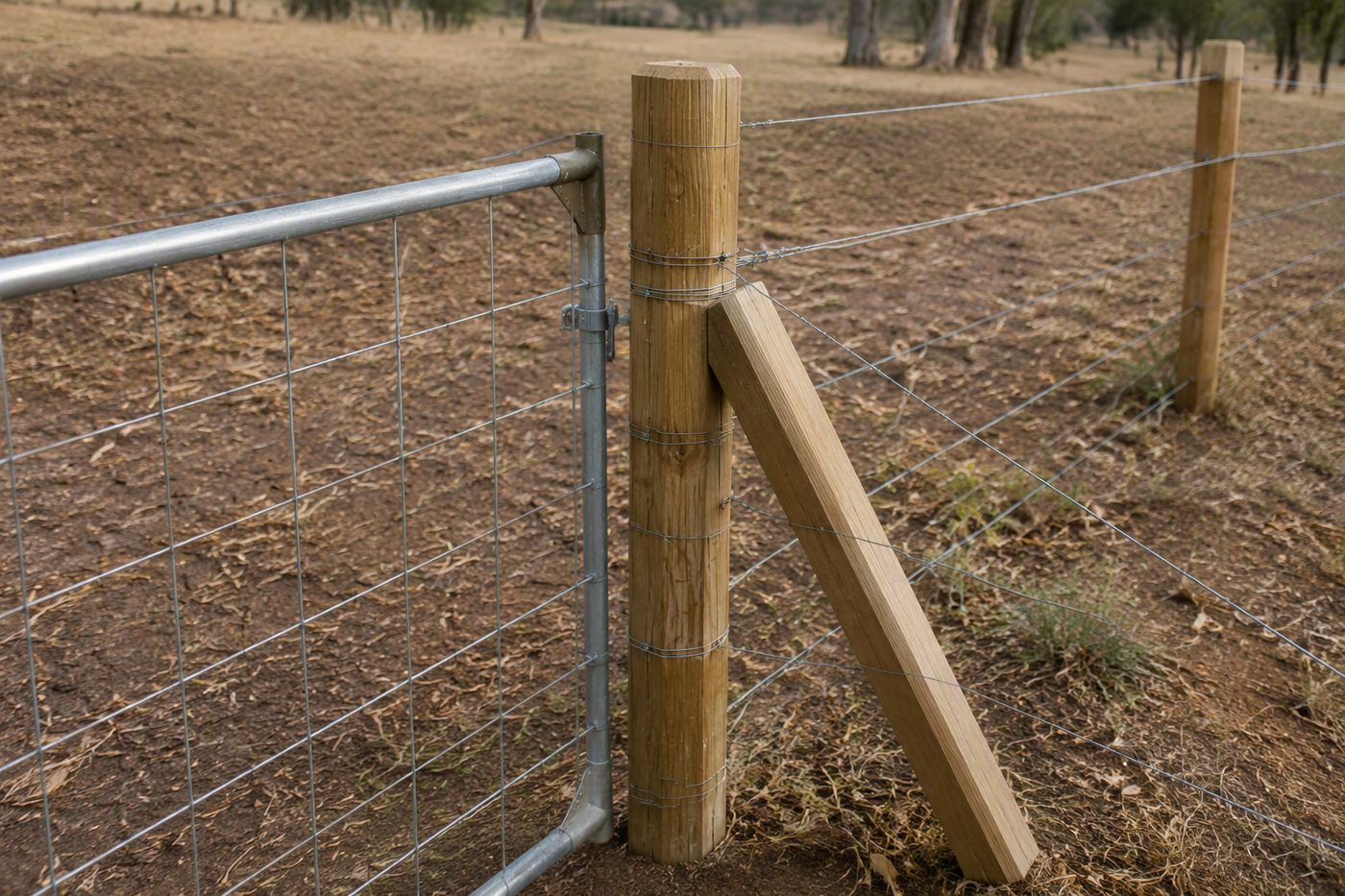
Install Posts: Use 100mm x 100mm timber or steel posts every 2-3m.
Attach Wire: Use 2.5mm galvanised wire for durability.
Test the Fence: Check for gaps, sharp edges, and electrical integrity.
The Goat Got Out. Then the Fine Arrived.
Ignoring Goat Behavior: Goats can jump 2m high and dig under fences.
Using Cheap Wire: Thin wire stretches and breaks quickly.
Not Securing Ends: Loose ends invite escape attempts.
Overlooking Drainage: Water pooling weakens posts and wire.
Skipping Legal Checks: Non-compliant fences can lead to fines.
Every three weeks I'm out there crawling the fence line, again
Task
Frequency
Inspect for damage
Monthly
Check wire tension
Every 3 months
Replace worn posts
As needed
Test electric fence
Weekly
What I Bought and What Actually Held Up
Shop these trusted Australian brands from Amazon AU:
Electric Fencing Kit (AS/NZS Compliant) - AUD $199
The fence questions I keep getting from the neighbour down the road
What This Bloody Fence Cost Me
AUD $500–$1,500 for a 100m fence, depending on materials and complexity.
Chicken Wire Won't Cut It
No. Chicken wire is too weak. Use hardware cloth or electric fencing instead.
Council says 1.2 m (4 ft) minimum — don't even think about going lower
Must comply with AS/NZS 1170.1:2020. Typically, 1.2m minimum height for adult goats.
When the wire's had it and the posts are past saving
Every 5–7 years, depending on weather and wear. Inspect annually.
The Goat Fence Blunders I Had to Rip Out
Yes, but hire a professional for complex installations or steep terrain.
Conclusion
Yeah, goat fencing will cost you a fortune. That's just the reality of it. But it's money you have to spend, not money wasted, and I learned that the hard way. Pick materials that handle the price-versus-durability-versus-local-rules triangle without cutting corners. Skimp now and you'll be rebuilding in two years, believe me. Walk your fence line every month, tighten what sags, swap out what rusts. Catch it early or pay through the nose later. And before you buy a single post, ring your council about the Tassie regs, then grab your gear from Bunnings or Jaycar. Don't guess on compliance, because they will make you pull the whole lot down.
Safety, Red Tape and Not Getting Sued
I always stick to AS/NZS standards and local council regs. Electric fencing needs correct installation, or you’ll zap a person or animal; I found that out when a goat slipped through a poorly grounded fence on my Tassie place and polished off the last carrots in the root cellar. Get a professional for the risky sections. Off-Grid Master isn't liable for damages caused by improper fencing.
⚠️ SAFETY WARNING: Working with electrical systems, structural modifications, or gas installations carries inherent risks. If you are not confident in your abilities, always engage a licensed professional.
It breaks down the exact post spacing and corner bracing steps we used on our place, which is the part that stopped our goats from pushing the fence out.— Fiona Gallagher
Frequently asked questions
What's the best fencing to keep goats in on a small property?
Honestly, there's no single fence that works for every goat and every block. What finally kept mine in was a combo of solid panels plus a hot wire offset, not just one type on its own. Goats test everything, so if your fence has a weak spot, they'll find it and you're back out there patching again.
Do I need a permit to build goat fencing in Australia?
Depends on your council and how tall the fence is, but in a lot of shires you do need approval once you go above a certain height or run it along a boundary. Worth ringing your local council before you start, because the fine for escaped goats is the bit that really hurts.
How often should I be checking my goat fence?
If your goats are anything like mine, every few weeks at least. Boards warp, wires stretch, and goats are constantly leaning, pushing, and testing the same spots. I crawl the line on a regular rotation now, otherwise I'd be out there every other day fixing something.
Is it cheaper to DIY goat fencing or pay someone?
Doing it yourself saves a motza on labour, but you pay for it in time and mistakes. Half the stuff I bought first go round I wouldn't bother with again, so add that to the real cost. If you've got the time and a decent toolkit, DIY wins, just don't skimp on the bits that actually hold the goats in.
When You've Bitten Off More Than You Can Chew
While many off-grid projects are achievable as DIY, certain situations require licensed professionals:
Electrical work beyond basic 12V DC additions — requires a licensed electrician
Structural modifications to buildings or load-bearing elements
Gas line installation or modification
Solar array installations above safe voltage thresholds
Any work that affects the structural integrity of your property
Always check local regulations and obtain necessary permits before commencing work.