No bullshit. If you're living off-grid in Australia, fire detection isn't optional. It's the difference between a smoky mess and a burnt-out shed. Skip this, and you're just gambling with your life.
No bullshit. If you're living off-grid in Australia, fire detection isn't optional. It's the difference between a smoky mess and a burnt-out shed. Skip this, and you're just gambling with your life.
Signal flow from smoke and heat detectors through an interconnect hub to sirens and strobes.
Smoke Alarms: The Bare Minimum (But Get It Right)
Don't buy the $15 smoke alarm from the hardware store. They're useless for off-grid. You need:
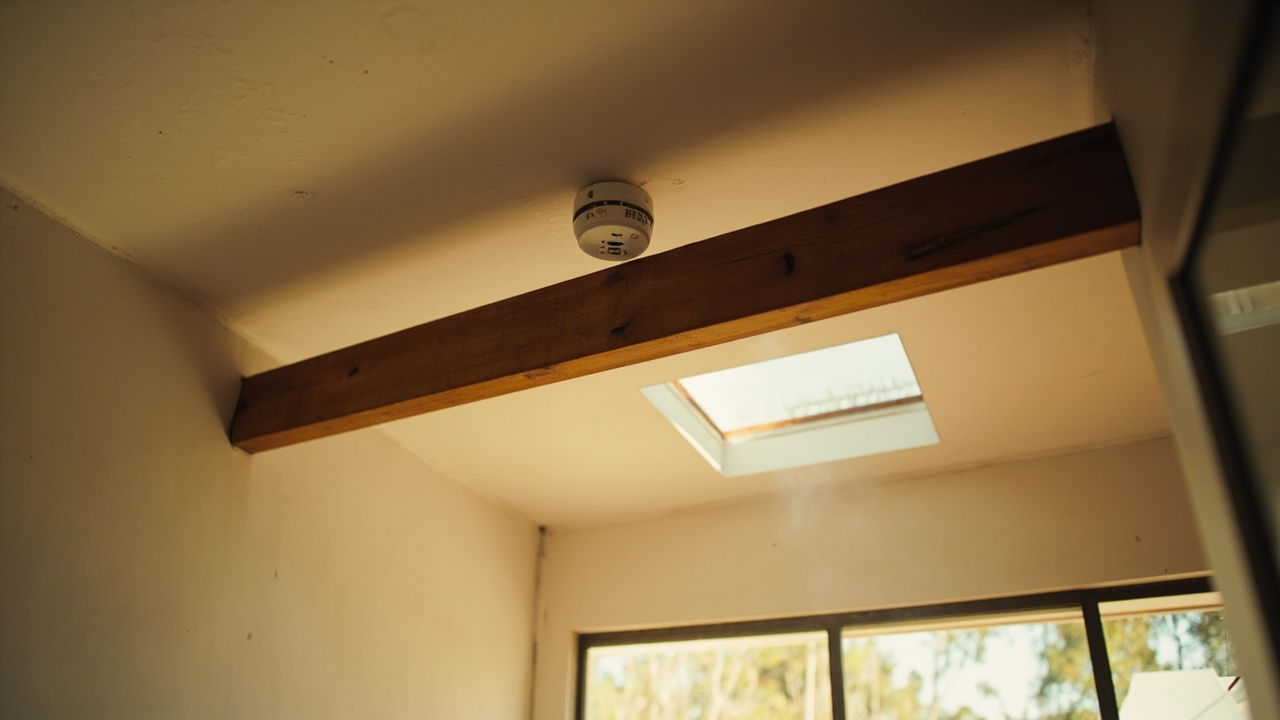
Correct ceiling placement: centre, away from beams.
Photoelectric alarms (not ionisation). They detect smouldering fires faster. Ionisation alarms are banned in WA/NSW for new builds for a reason.
Interlinked systems. One alarm goes off, all scream. Non-negotiable.
AC-powered with battery backup. Solar/battery setups need this. No mains power? You're screwed.
Australian Suppliers & Pricing
Aurora Fire (Sydney): $180-$250 for a 3-pack interlinked photoelectric system. Includes 10-year warranty. Get the FireAngel range. They're the only ones that work with solar.
Fire Safety Australia (Melbourne): $150 for basic photoelectric. But they don't do interlinking. Skip them. Waste of cash.
Tip: Install one in every bedroom, hallway, and near the kitchen. Test monthly. If it's not beeping when you press the test button? Replace it. Now.
Heat Sensors: For When Smoke Alarms Lie
Smoke alarms hate cooking smoke. Heat sensors don't. Use them in:
Garages (with flammable stuff)
Underfloor spaces (common fire start in off-grid)
Wood-fired boiler rooms
They trigger at 57°C (135°F). Not for bedrooms. Too slow.
Australian Suppliers & Pricing
Honeywell Australia: $120 for a 2-pack heat sensor. Works with Aurora Fire systems. Get the HeatWatch model. No fluff.
Alerts: Because "I heard a bang" isn't enough
Alarm screaming? Good. But if you're 50km from the nearest town, you need:
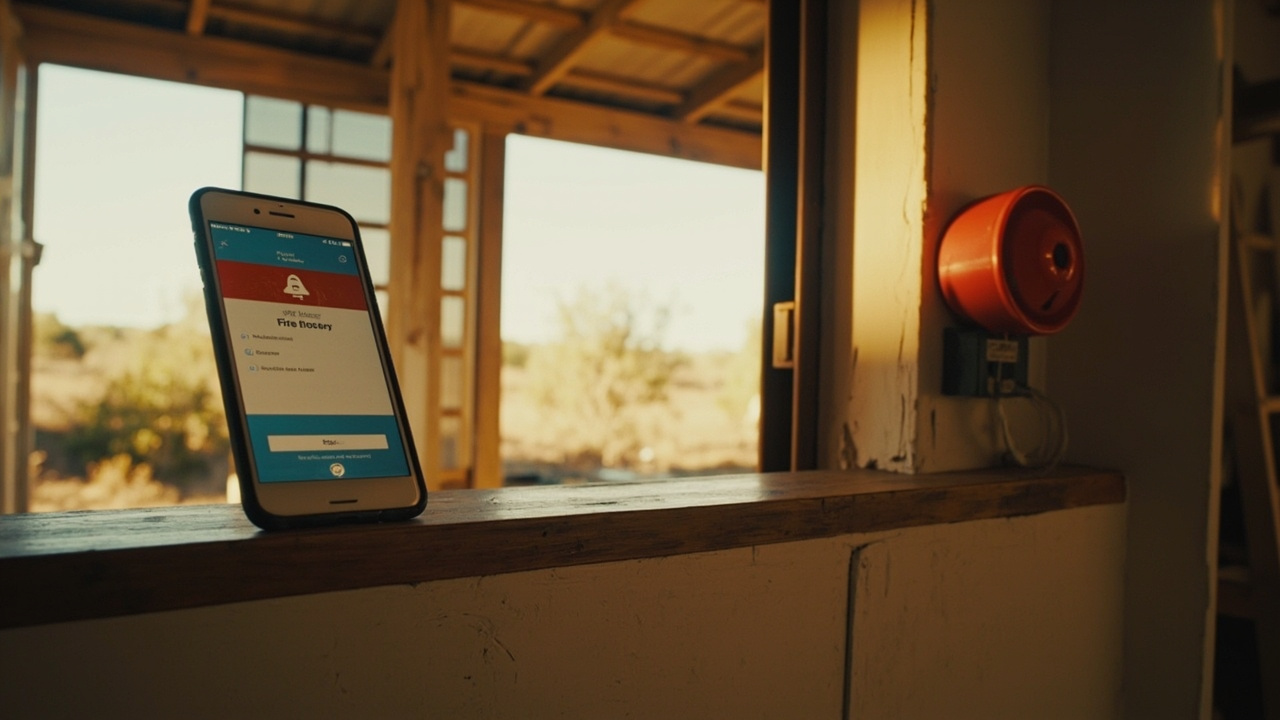
Remote phone alert system in an off-grid home
Mobile SMS alerts. If the alarm triggers, your phone buzzes. No internet? Use a satellite messenger (like Garmin inReach) with your alarm system.
Local sirens. For community alerts. Not for your shed. But if you're in a bushfire zone, get one.
Don't rely on "I'll hear it". You'll be asleep. Or in the shed. Or at the dam. Fire doesn't wait for you to be awake.
Tip: Pair your Aurora Fire system with Alarm.com ($50 setup + $10/month). It sends SMS alerts to 3 numbers. Works on 2G/3G (still reliable in remote areas). Skip the "smart home" apps. They're useless when the grid's down.
Practical Off-Grid Fire Detection Checklist
Install alarms 1m from ceilings. No exceptions.
Test monthly. Use a cigarette (not a smoke bomb) to test. If it doesn't scream? Replace it.
Keep a fire extinguisher (ABC type) within 3m of every alarm. $50-$80 at Bunnings.
Never put alarms near kitchens or bathrooms. False alarms = ignored alarms.
Backup battery: Replace every 5 years. Not 10. Batteries die faster in heat.
Why This Matters in Australia
Our bushfires don't wait. A smouldering fire in your off-grid shed can turn into a 100km blaze in 20 minutes. Smoke alarms save lives. Heat sensors catch fires before they smoke. Alerts get help coming.
Don't be the bloke who says "I'll get it later". Later is when the roof's gone. Get the Aurora Fire system. $250. It's cheaper than a new shed.
⚠️ SAFETY WARNING: Working with electrical systems, structural modifications, or gas installations carries inherent risks. If you are not confident in your abilities, always engage a licensed professional.
Joondalup Electrical Services runs through a simple 12 V solar‑battery‑inverter setup that you can replicate to keep a low‑draw smoke alarm running off‑grid, which directly answers the power‑supply section of the guide.— Jenny Mills
When to Call a Professional
While many off-grid projects are achievable as DIY, certain situations require licensed professionals:
Electrical work beyond basic 12V DC additions — requires a licensed electrician
Structural modifications to buildings or load-bearing elements
Gas line installation or modification
Solar array installations above safe voltage thresholds
Any work that affects the structural integrity of your property
Always check local regulations and obtain necessary permits before commencing work.