By Fiona Gallagher· permaculture designer · food, animals and preservation on 12 acres in Tassie
“After losing half my potatoes to blight on my Tassie block, I learned that skipping a single year of crop rotation is a costly mistake you can't afford off-grid.”
Crop Rotation: The Bloody Essential for Your Off-Grid Garden
Look, if you're growing food off-grid in Australia, crop rotation isn't optional. It's the difference between a thriving garden and a compost heap. No fluff. Just facts.
Look, if you're growing food off-grid in Australia, crop rotation isn't optional. It's the difference between a thriving garden and a compost heap. No fluff. Just facts.
Four-bed rotation cycle moving legumes, leafy crops, fruiting crops and roots around each year.
Family Groupings: Don't Be a Bloody Idiot
Plants are like families. You don't put your cousin and your sister in the same room. Same with crops. Rotate by plant family to avoid sucking nutrients dry and inviting pests.
Legumes: Beans, peas, chickpeas (fix nitrogen - feed the soil)
Brassicas: Cabbage, broccoli, kale (love nitrogen - follow legumes)
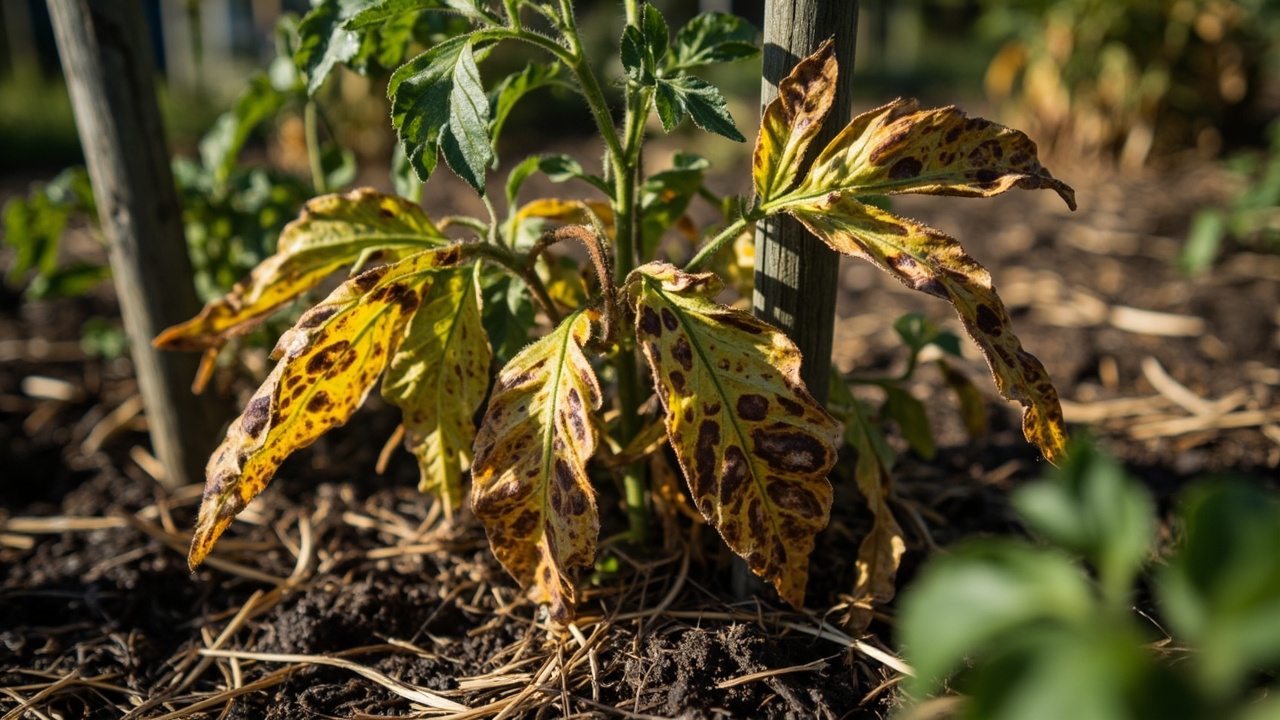
Tomatoes blight? Cabbage clubroot? That's your soil screaming "I've had enough!" Rotating families breaks disease cycles. A pathogen that kills brassicas won't touch legumes. Simple. Effective.
Tomato leaves showing early blight disease symptoms
Don't skip this. One bad patch of soil ruins your whole year. Trust me.
Fertility: Keep Your Soil Happy (Without Breaking the Bank)
Legumes are your free fertiliser. They fix nitrogen from the air. Plant them, then plant brassicas. No need for expensive synthetic stuff. Saves cash and keeps your soil alive.
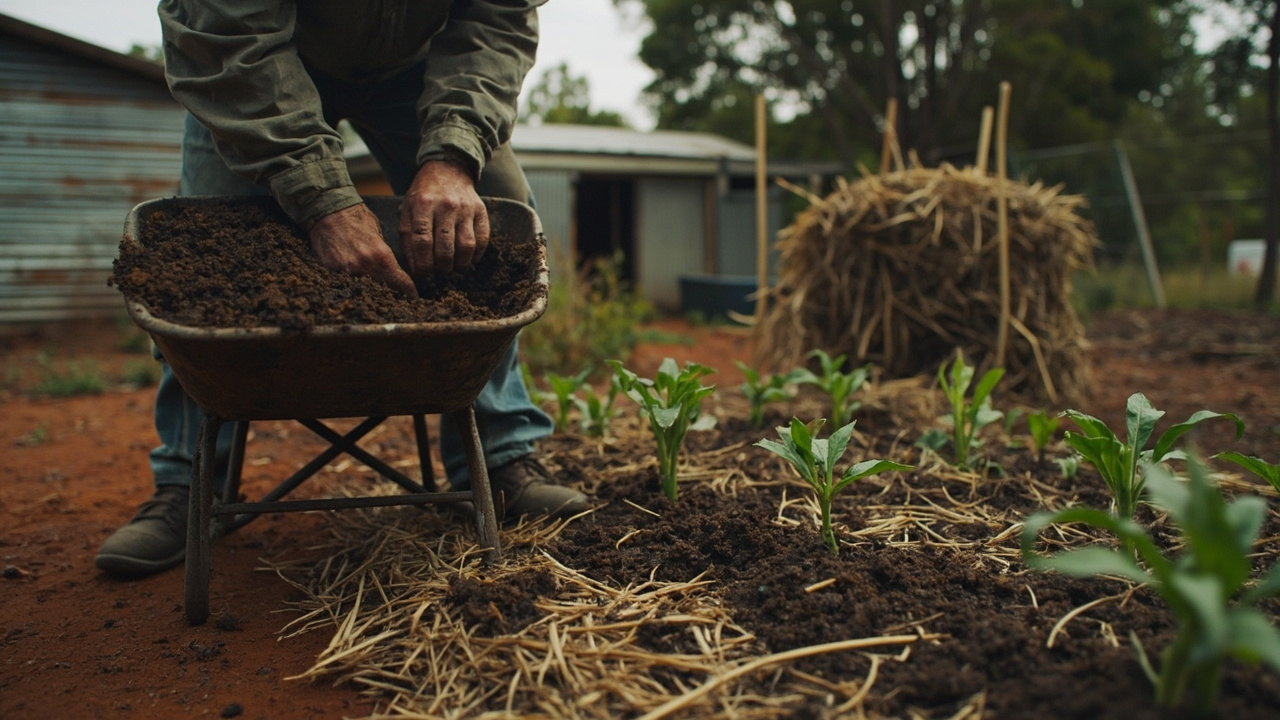
Compost, mulch, and a cover crop at work
After brassicas, plant roots to use up leftover nutrients. Then solanums (they love the nitrogen). Finally, grasses to tidy up. Your soil won't need a spa day.
Practical Tips for Aussie Gardens
Map it: Sketch your garden. Divide into 4-5 sections. Label each family. Rotate every season.
Compost smart: Only add compost to the section you're leaving. Don't dump it everywhere.
Soil test: Every 2 years. Get a test from AGD Soil Testing (about $45). Know your pH before planting.
Keep it simple: If you're new, stick to 3 families: legumes, brassicas, roots. Add more as you go.
Pro tip: If you're in a dry area, plant legumes in winter (they'll fix nitrogen before the heat hits). In wet zones, plant them in spring. Adapt or die.
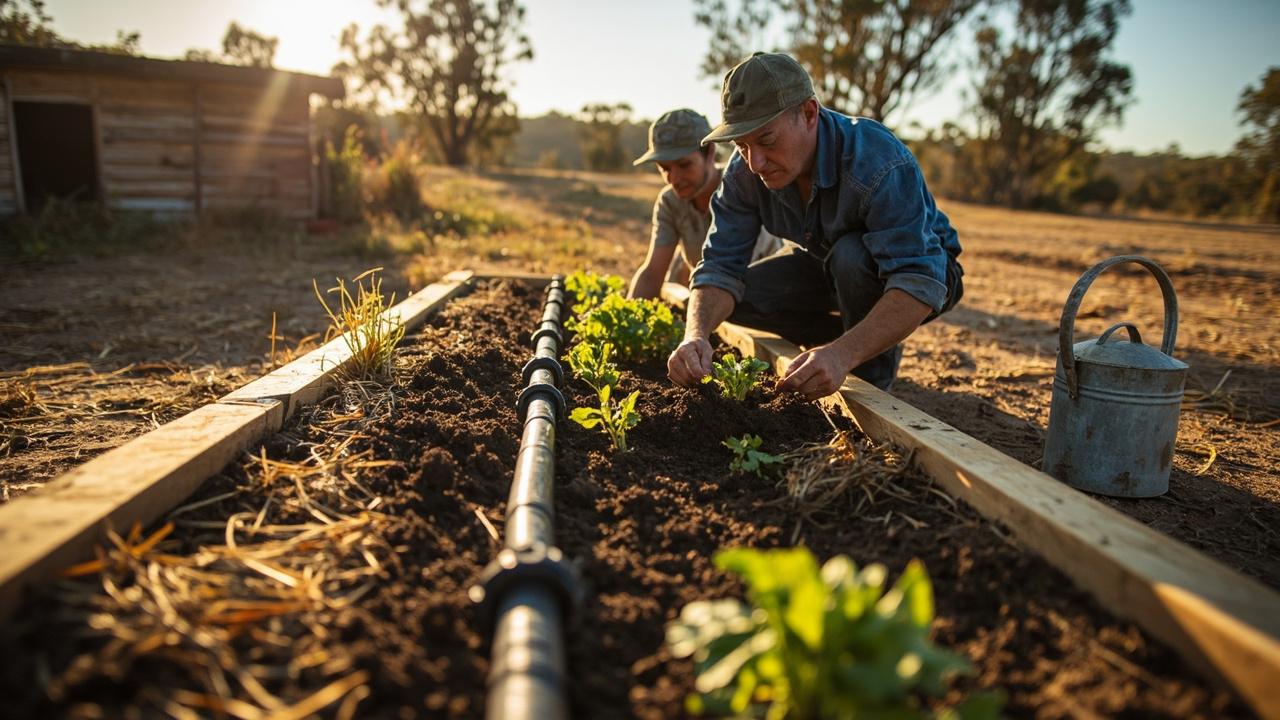
Mulched raised bed with drip irrigation setup
Aussie Suppliers & Pricing (indicative prices)
Seed Savers Network (VIC)
Organic heirloom seeds. $8-$15 for 10g packs (beans, peas, brassicas). Free shipping over $50.
Website: seedsavers.com.au
Green Thumbs (NSW)
Local soil tests: $45. Organic compost: $25 for 50L. They'll tell you exactly what your soil needs.
Website: greenthumbs.com.au
Local Co-ops (QLD)
Check your local farmers' market. Many co-ops sell bulk legume seeds (like chickpeas) for $5-$8/kg. Cheaper than buying small packets.
Tip: Ask for "drought-tolerant" varieties. They'll last longer in our heat.
Prices vary. Always compare. Don't pay $20 for a packet of beans when you can get 500g for $8 locally.
When to Call a Professional
While many off-grid projects are achievable as DIY, certain situations require licensed professionals:
Electrical work beyond basic 12V DC additions — requires a licensed electrician
Structural modifications to buildings or load-bearing elements
Gas line installation or modification
Solar array installations above safe voltage thresholds
Any work that affects the structural integrity of your property
Always check local regulations and obtain necessary permits before commencing work.
The video runs through the five planning steps – site assessment, bed layout, spacing, succession planting, and record keeping – giving you a concrete method to map out your rotation beds before you plant.— Fiona Gallagher