By Sarah Chen· environmental engineer · water, waste and everything that flows downhill
“After three years of neglecting my ceramic filters, I watched a drought-stricken creek turn my off-grid water black, costing me $400 in replacements and a week of illness.”
Look, ceramic filters are your lifeline when you're off-grid in Australia. They're cheap, reliable, and work when the power's out. But if you don't maintain them right, you'll be drinking muddy water and wondering why your system's a joke. Here's how to keep it working without the fluff.
Look, ceramic filters are your lifeline when you're off-grid in Australia. They're cheap, reliable, and work when the power's out. But if you don't maintain them right, you'll be drinking muddy water and wondering why your system's a joke. Here's how to keep it working without the fluff.
How to Clean Your Ceramic Filter (Do This Weekly)
Don't wait for it to clog. Clean it every 7 days if you're using it daily. Here's the drill:
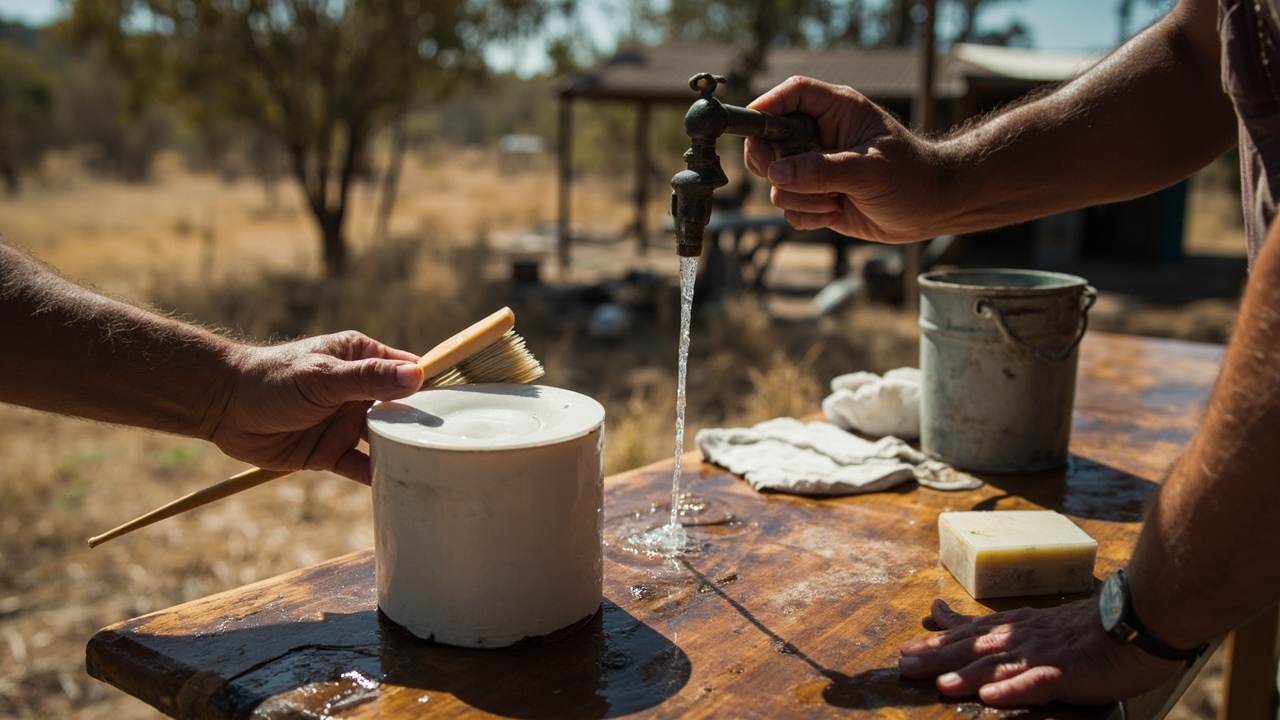
Hands gently scrubbing ceramic filter under running water
Take the filter out of the housing
Use a stiff nylon brush (not wire - that'll scratch it) to scrub the outside surface under running water
Never use soap, bleach, or vinegar. Just water. You're not cleaning a sink, you're cleaning a filter.
Soak in a 50/50 mix of water and white vinegar for 30 minutes if it's gunked up. Then rinse thoroughly.
Reinstall. If water still flows like a snail, you've got a problem.
Pro Tip: If your filter's been sitting idle for weeks, soak it in vinegar for 2 hours before cleaning. Dust and algae love to hide in those pores.
When to Replace (Not When You Think)
Most people wait until it's completely blocked. That's stupid. Replace when:
Flow rate drops below 1L per minute (you'll know - it's like trying to drink through a straw)
Scratches appear on the surface (they trap bacteria)
It smells musty after cleaning (means biofilm's set in)
Don't be cheap. A good ceramic element lasts 6-12 months with proper care. If you're using it daily, replace it every 6 months. No exceptions.
Flow Rate: What's Normal & How to Fix It
Normal flow: 1.5-2L per minute when new. If it's below 1L, you've got two options:
Try cleaning again (use the vinegar soak)
If still slow, replace the element. Don't waste time on "fixes" - ceramic filters don't have magic fixes.
Common Aussie mistake: Using a filter with a flow rate too low for your needs. If you've got a family of four, get a 2L/min filter. Don't buy the $15 one that only does 0.5L/min - it'll be useless in a real bush emergency.
Aussie Suppliers & Pricing (indicative prices)
Off Grid Supplies (QLD)
Ceramic elements: $25-$45 (for 1-2L/min models)
offgridsupplies.com.au - fast shipping, no nonsense.
Water Filter Australia (NSW)
Replacement elements: $32-$58 waterfilter.com.au - good for standard 10" filters.
Hardware Stores (Bunnings, Mitre 10)
Generic ceramic filters: $15-$25 (but they're often crap - avoid unless you're desperate) Price note: Don't buy the $10 "ceramic" filter from Bunnings. It's plastic with a ceramic coating. It'll fail in 3 months.
Final Word
Don't overcomplicate it. Clean weekly. Replace when flow drops. Buy from a proper supplier. If you're off-grid in Australia, your water filter isn't a luxury - it's survival. Do it right or drink the dirt. Simple as that.
When to Call a Professional
While many off-grid projects are achievable as DIY, certain situations require licensed professionals:
Electrical work beyond basic 12V DC additions — requires a licensed electrician
Structural modifications to buildings or load-bearing elements
Gas line installation or modification
Solar array installations above safe voltage thresholds
Any work that affects the structural integrity of your property
Always check local regulations and obtain necessary permits before commencing work.