
By Mick O'Brien · carpenter & builder · sheds-to-homes, cabins and things that stay up in a storm
“I once lost a $400 clay oven to a Queensland cyclone because I forgot to anchor the base deep into the red dirt.”
By Mick O'Brien · carpenter & builder · sheds-to-homes, cabins and things that stay up in a storm
“I once lost a $400 clay oven to a Queensland cyclone because I forgot to anchor the base deep into the red dirt.”
Forget fancy solar ovens. A tandoor is the only way to cook like a proper Aussie when you're off-grid. It's cheap, brutal, and actually works. Here's how to build one without wasting your time or cash.
Get a proper clay pot. Not that $15 plastic thing from Bunnings. You need a thick, unglazed terracotta pot. Size: 30-40cm diameter, 30cm deep. Why? Thin clay cracks in the heat. Thick clay lasts years.
Where to get it: Bunnings has the "Terracotta Plant Pot" (30cm, $12.95). Or grab a used one from a garden centre for $5. Avoid anything with glaze – it'll explode.
Pro tip: Soak the pot in water for 24 hours before firing. Stops it cracking. Do this, or you'll be buying another pot. Waste of money.
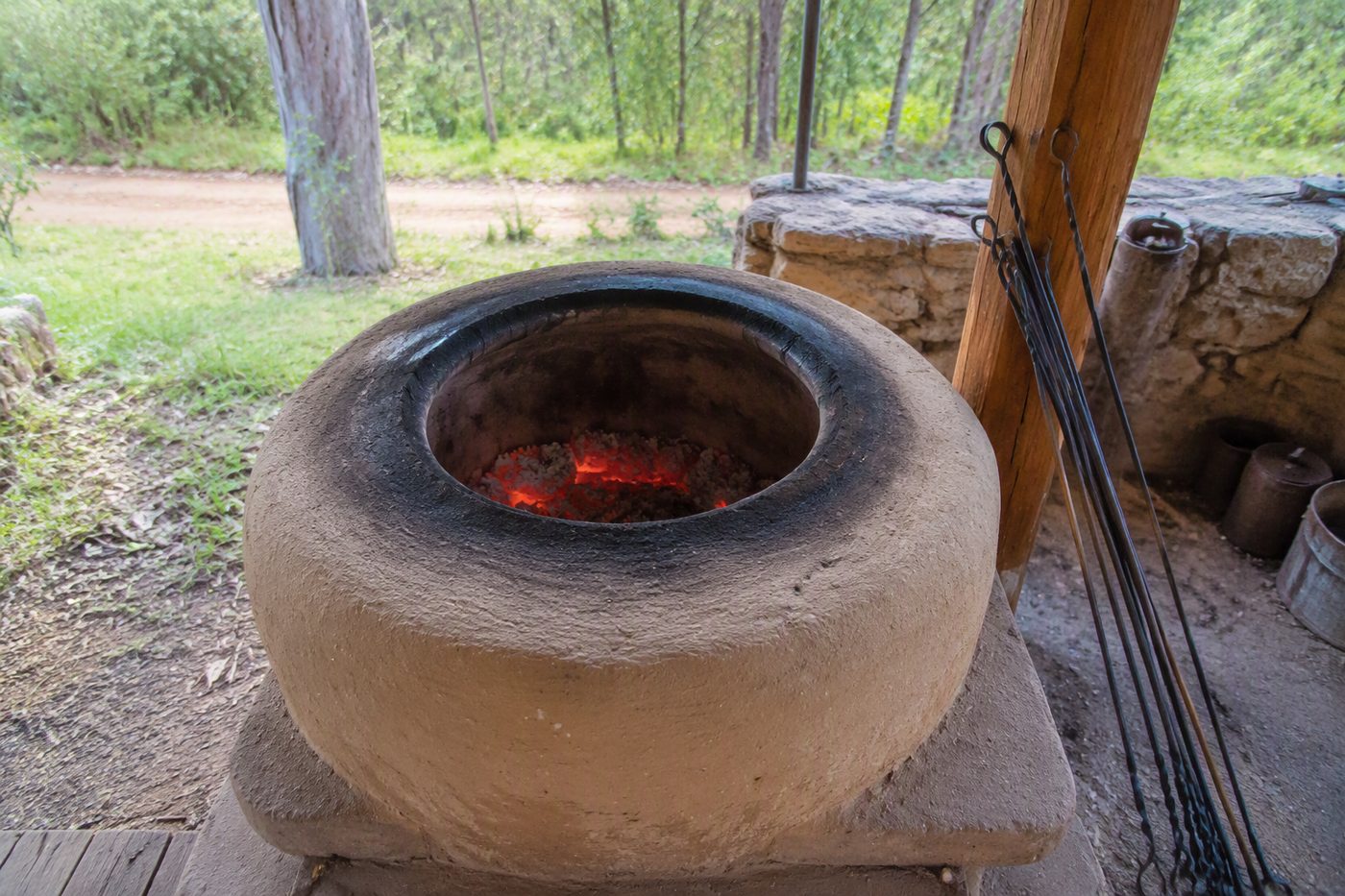
Insulation is non-negotiable. No insulation = no heat retention. You'll be cooking on a cold pot for hours. Use:
Build a 15cm thick wall around the pot. Leave a 5cm gap between the pot and bricks for airflow. If it's too tight, the pot will crack. If it's too loose, it won't hold heat. Get it right first time.
Don't use wood. It smokes, it's slow, and it's a fire hazard. Use:
Fire up the pellets for 15 minutes, then add your food. You'll cook bread in 10 minutes. That's the point.
Practical Tip #1: Build your tandoor near a windbreak. A fence or big tree. Wind kills heat. No wind = faster cooking.
Practical Tip #2: Use a metal rack (from your old BBQ, $5 at second-hand shops) to hold food. No more burnt bread on the floor.
Practical Tip #3: Test it before you need it. Fire it up on a weekend. See if it holds heat. If it doesn't, fix it now. Not when you're starving.
Clay Pot: Bunnings (30cm terracotta pot, $12.95). Get it in-store – online stock's unreliable.
Insulation:
Fuel: Pellets Australia (10kg, $15). Order online – they deliver anywhere in Australia.
Total cost: $40-$50. That's less than one fancy gas stove.
Build it right. Don't waste time. Cook like a real Aussie. If it doesn't work, you're doing it wrong. Now go make some bread.
Worth a watch: "From Foundation to Feast: Building a Shelter and Cooking in tandoor · Off Grid Cooking Shack
While many off-grid projects are achievable as DIY, certain situations require licensed professionals:
Always check local regulations and obtain necessary permits before commencing work.