
By Fiona Gallagher · permaculture designer · food, animals and preservation on 12 acres in Tassie
“After losing half my chives to a -2°C frost, I learned that only four hardy varieties survive my Tasmanian winters without a greenhouse.”
2021, high country of Victoria: a black frost took out an entire bed of coriander in one night. I lost the lot. That was the push I needed to map out a proper year-round herb plan for our Tasmanian block. What follows are the cheap tools I rely on, the seed-starting methods that have held up, and the mistakes I've clocked so you don't repeat them. The payoff: fresh herbs on the bench when the weather turns ugly.
By Fiona Gallagher · permaculture designer · food, animals and preservation on 12 acres in Tassie
“After losing half my chives to a -2°C frost, I learned that only four hardy varieties survive my Tasmanian winters without a greenhouse.”
I run herbs through twelve months on a south-facing block where frost settles by April and doesn't shift until October. This is how I keep the cuttings, the kitchen, and the chooks in steady supply without the greenhouse costing a fortune to heat.
Start by selecting herbs suited to your climate. Use this table to compare options:
| Herb | Climate Suitability | Growth Cycle | Cost (AUD) |
|---|---|---|---|
| Basil | Warm climates (Queensland/Northern NSW) | Annual | 5–15 |
| Mint | Most regions | Perennial | 10–20 |
| Parsley | Temperate zones | Biennial | 15–30 |
| Thyme | Coastal areas | Perennial | 20–40 |
| Rosemary | Warm, dry climates | Perennial | 30–60 |
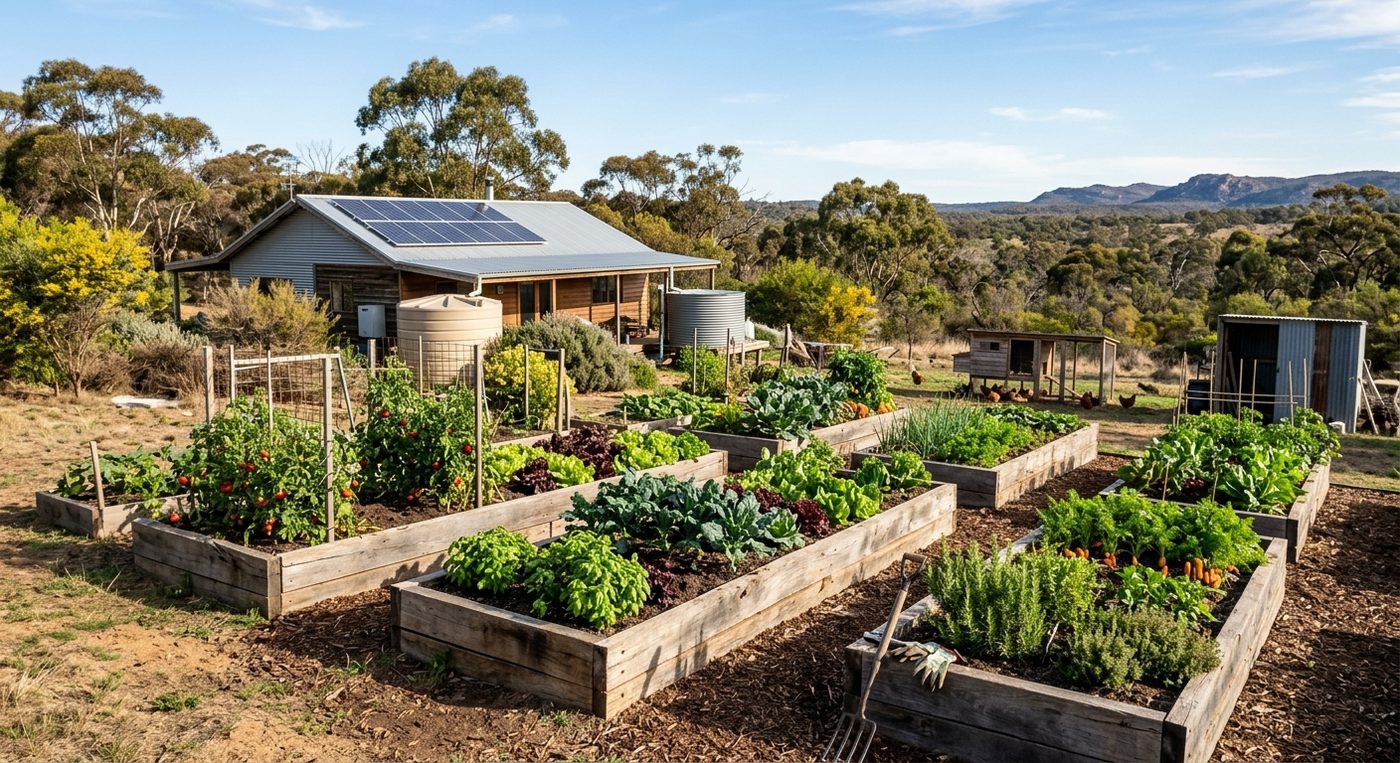
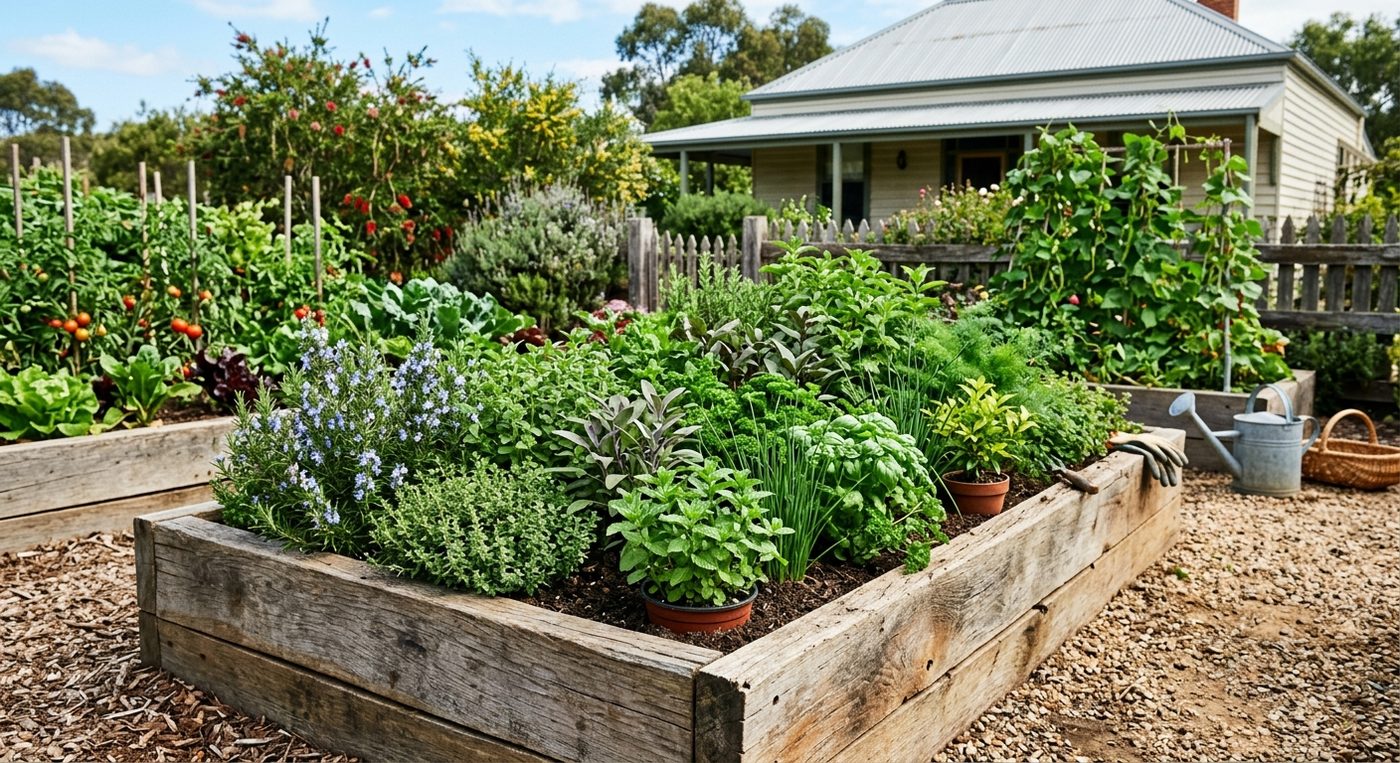
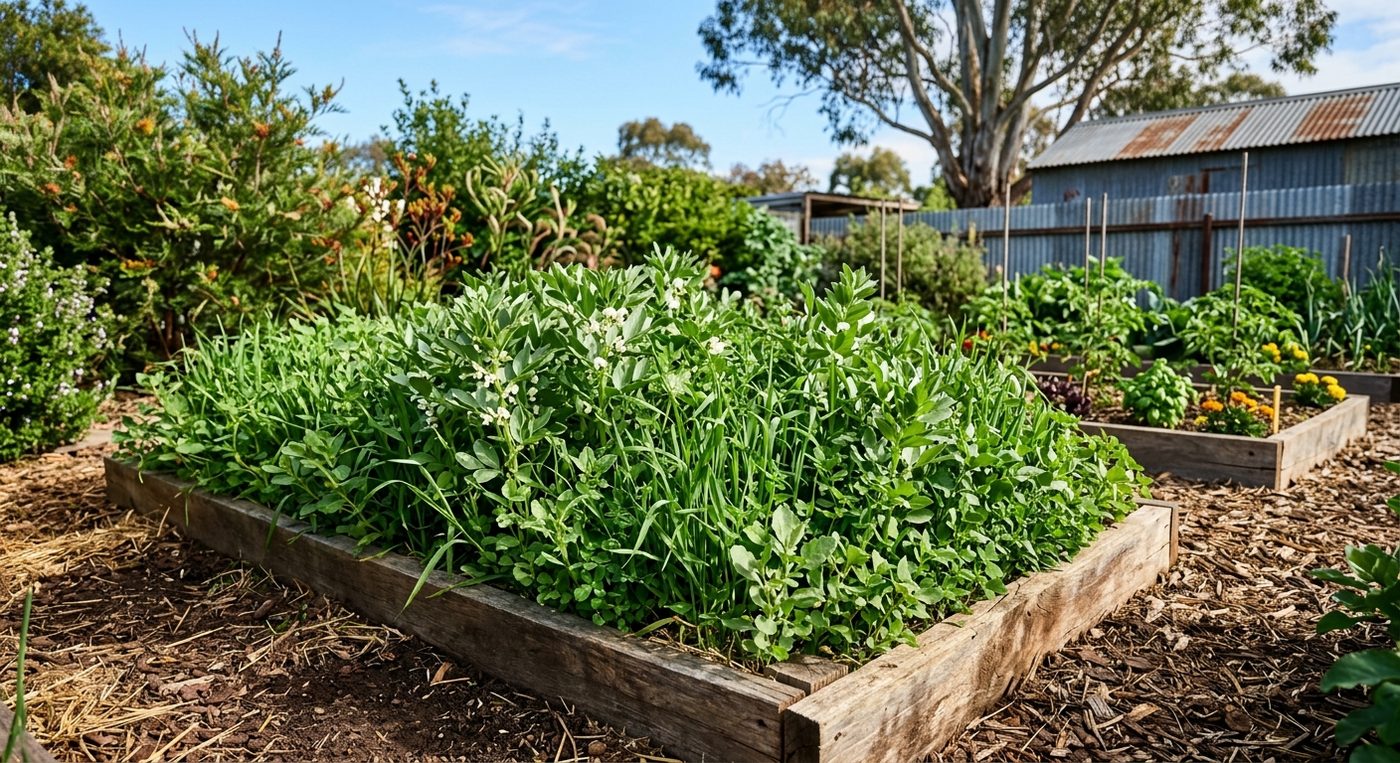
Use grow lights and containers to extend the growing season. Start seeds indoors in March.
Mint, parsley, and chives are hardy and easy to grow. Avoid rosemary until you’re experienced.
AUD $100–$200 for basic setup. Expand as needed with additional pots and seeds.
Every 4–6 weeks with a diluted liquid fertiliser (AUD $10–$20 from Bunnings).
Yes, but ensure drainage holes are drilled and use fresh potting mix.
After a few years of trial and error on my 12‑acre block in Tasmania, I've proved a year‑round herb garden costs almost nothing to get started. Start small, stay consistent, and you'll pull fresh, chemical‑free herbs from the ground in every season. And follow the AS/NZS standards for safety and legal compliance — no exceptions, no shortcuts.
Disclaimer: Always follow safety guidelines when using tools or chemicals. Consult local regulations for herb cultivation. The information provided is for educational purposes only.
While many off-grid projects are achievable as DIY, certain situations require licensed professionals:
Always check local regulations and obtain necessary permits before commencing work.
Worth a watch: Growing Medicinal Plants: Horizon Herbs · Dirtpatcheaven