By Dave Miller· off-grid sparky · 22 years wiring solar, batteries and sheds in central QLD
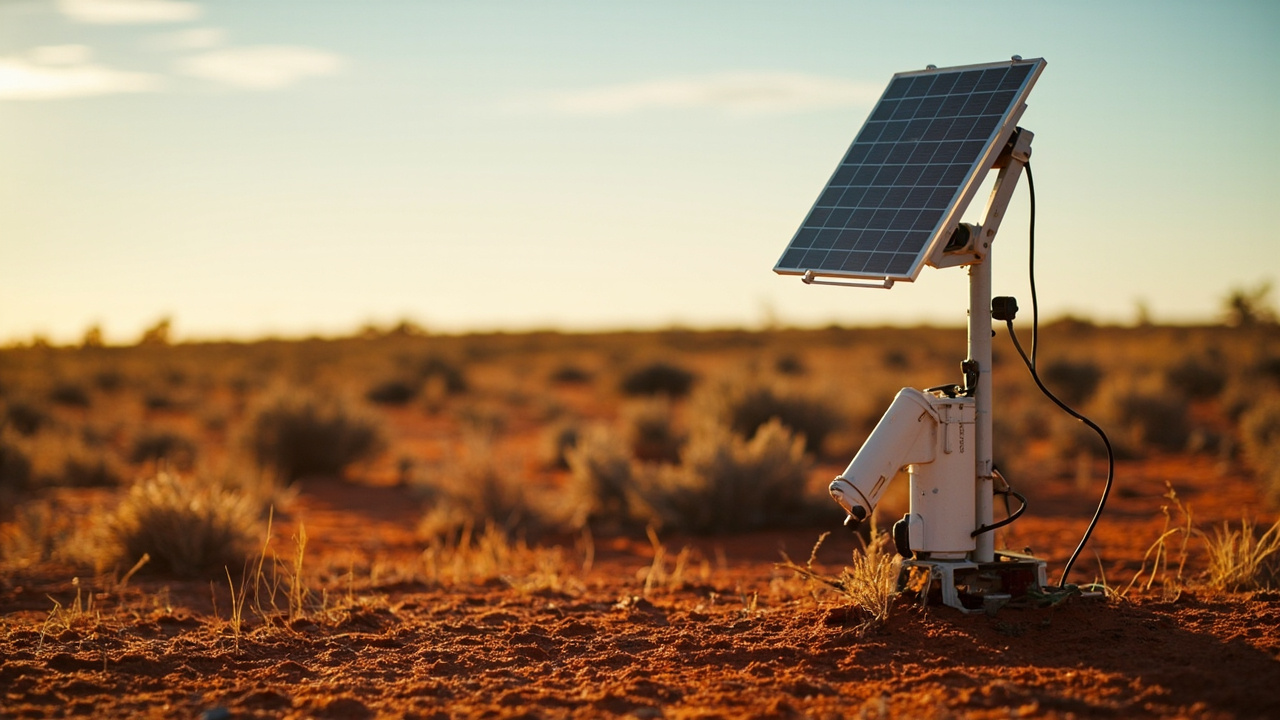
“After my third cheap radio failed in the 40-degree heat, I learned you need at least a 10-watt solar panel to keep a simple AM/FM unit running through a Queensland winter.”
Solar Radios: Off-Grid Australia's No-Bullshit Guide
Forget the fancy marketing. If you're living off-grid in Australia, a solar radio isn't a luxury—it's your lifeline. We'll cut through the noise and tell you exactly what you need.
Forget the fancy marketing. If you're living off-grid in Australia, a solar radio isn't a luxury—it's your lifeline. We'll cut through the noise and tell you exactly what you need.
Radio power chain: panel and battery through MPPT controller to transceiver, with duty-cycle autonomy notes.
Selection: What Actually Works in the Bush
Don't buy the first "solar" radio you see. Most are garbage. Here's what matters:
Real solar input: Must handle 12V/24V solar panels (not just a tiny USB panel). 5W+ solar input minimum.
Battery life: 24+ hours on a full charge. Check the specs—don't trust "all-day" claims.
Weatherproof: IPX4 rating at minimum. If it gets wet, it dies. Simple as that.
AM/FM + Shortwave: AM for local emergencies, shortwave for national news when towers are down.
Top pick (2024):Aurora Solar Radio Pro (A$199).
Has 12V input, 48hr battery, IPX5, and shortwave. No BS.
$199 (from Aurora Solar, Melbourne).
Tip: Test it before buying. Plug it into your solar setup. If it doesn't run for 24hrs on a full charge, bin it.
We've seen "solar" radios die after 4 hours. Don't be that bloke.
Stations: What to Tune Into (No More Static)
Most off-grid Aussies only listen to ABC Local. Wrong. You need:
ABC News Radio: AM 1062kHz (Melbourne) or 1053kHz (Sydney). Critical for bushfire alerts.
Always keep it on standby.
Emergency Broadcast System (EBS): Shortwave on 6.205MHz (ABC Emergency).
Set it as a preset—don't fiddle when the fire's coming.
Local FM: Tune to your nearest town's FM (e.g., 95.1 FM in Canberra).
For weather updates and community alerts.
Tip: Program all three stations as presets.
When the power dies, you don't need to hunt for the right frequency.
Just press "1", "2", "3". Done.
Emergency Use: When the Grid Dies (And It Will)
Most people waste their solar radio during emergencies. Here's how to do it right:
Pre-charge: Top up the radio every morning with your solar panel.
Not at night. Not when you're busy. Every morning.
Power down: When not listening, switch to "solar only" mode.
Don't leave it sucking power from the battery while you're out.
Emergency protocol:
Turn on radio (use preset 1: ABC News)
Listen for 5 minutes
If no alert, switch to preset 2 (EBS)
If no alert, switch to preset 3 (local FM)
Repeat every 2 hours until power's back
Emergency kit add-on:Bushcraft Emergency Radio Kit (A$45).
Includes a 10W solar panel + car charger.
$45 (from Bushcraft Australia, QLD).
Blunt truth: If you're not using your radio for emergency alerts, you're wasting money.
Set it up once, then forget it. It's not a toy—it's your warning system.
⚠️ SAFETY WARNING: Working with electrical systems, structural modifications, or gas installations carries inherent risks. If you are not confident in your abilities, always engage a licensed professional.
He walks through wiring a 12 V ham radio to a small solar panel and a lithium pack, showing the real‑world current draw and voltage drop when transmitting so you can see exactly how big your panel and battery need to be.— Dave Miller
When to Call a Professional
While many off-grid projects are achievable as DIY, certain situations require licensed professionals:
Electrical work beyond basic 12V DC additions — requires a licensed electrician
Structural modifications to buildings or load-bearing elements
Gas line installation or modification
Solar array installations above safe voltage thresholds
Any work that affects the structural integrity of your property
Always check local regulations and obtain necessary permits before commencing work.