
By Sarah Chen · environmental engineer · water, waste and everything that flows downhill
“After my first silo sealed without nitrogen, I watched a grain mass overheat to 78°C, proving that off-grid gas treatment isn't optional, it's survival.”
By Sarah Chen · environmental engineer · water, waste and everything that flows downhill
“After my first silo sealed without nitrogen, I watched a grain mass overheat to 78°C, proving that off-grid gas treatment isn't optional, it's survival.”
Look, if you're storing grain off-grid in Australia and not using sealed storage, you're wasting your time. Pests, humidity, and rot will eat your stock in weeks. No exceptions. Gas treatment? It's not for the faint-hearted. Here's the raw deal.
Australia's heat and humidity are a pest's paradise. Weevils, moths, and rodents will turn your wheat into dust if it's not airtight. Sealed storage starves them of oxygen. Simple. Effective. Mandatory.
How it works: Fill your silo, seal it tight, and let the grain consume the oxygen. Once it's gone, pests suffocate. But if there's a crack? You're done. No half-measures.
Practical tip: Use a purpose-built grain silo (not a repurposed drum). Check the lid seal with a candle flame – if it flickers, you've got a leak. Fix it before you store anything. Cost: $300-$800 for a used 1-ton silo (see suppliers below).
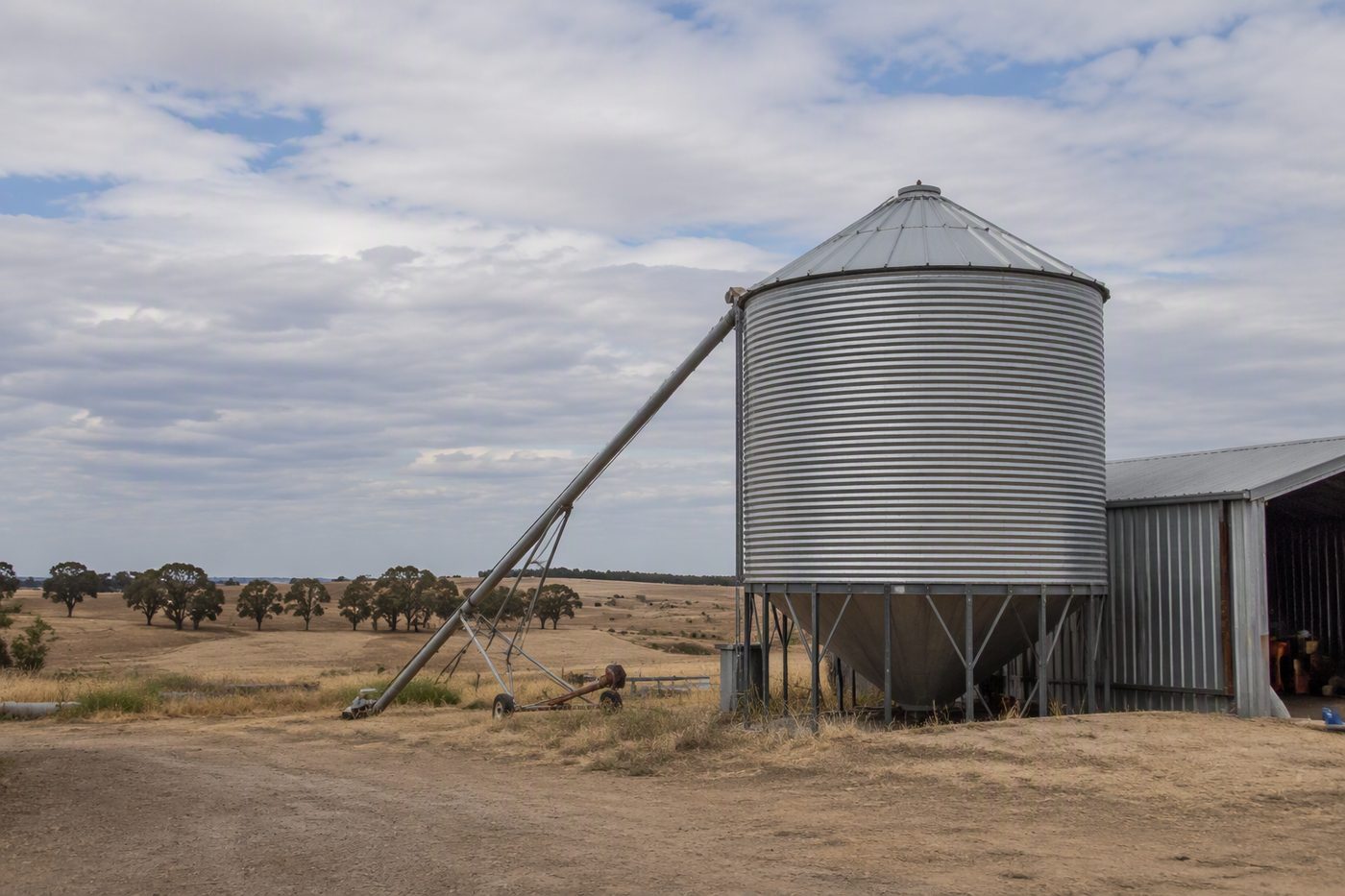
Gas treatment (like phosphine) is used to kill pests that survive sealed storage. It's common in commercial grain, but for off-grid? It's dangerous and usually unnecessary.
Why it's a bad idea: Phosphine gas is deadly. You need specialised equipment, training, and a gas monitor. One mistake and you poison yourself or your family. The cost? $500-$1,000 for a professional service. If you're DIY-ing it, you're risking your life for a few bags of grain. Not worth it.
Reality: If you've got pests, it's usually because your storage wasn't sealed properly. Fix the seal first. Gas treatment is a last resort for commercial operations – not for your shed.
Don't waste money on dodgy stuff. These are the real suppliers:
Bottom line: Sealed storage is the only way. Gas treatment is a professional job. Buy a used silo from a reputable supplier, seal it tight, keep it dry, and check it monthly. If you do that, your grain lasts years. If you don't? You're just throwing money away. End of story.
While many off-grid projects are achievable as DIY, certain situations require licensed professionals:
Always check local regulations and obtain necessary permits before commencing work.
Worth a watch: How Amish Keep Cellars at 34°F Without Electricity · Frugal Solutions