By Fiona Gallagher· permaculture designer · food, animals and preservation on 12 acres in Tassie
“After losing three ewes to hypothermia in a Tasmanian winter, I learned that off-grid shearing isn't about wool; it's about keeping them alive before the shear.”
Sheep Farming for Off-Grid: Wool, Meat & The Real Deal
Forget the fluffy tourist stuff. If you're off-grid in Australia, sheep are your workhorse. They'll give you wool, meat, and keep the paddock tidy. But they ain't free. Here's the no-bullshit guide.
Forget the fluffy tourist stuff. If you're off-grid in Australia, sheep are your workhorse. They'll give you wool, meat, and keep the paddock tidy. But they ain't free. Here's the no-bullshit guide.
Small sheep system: paddocks, water and minerals support flock health, wool, meat and garden manure.
Breeds: Don't Waste Your Time
Not all sheep are equal. Pick right or you're wasting space.
Dorper: Your best bet. Tough as old boots, handles drought, grows fast. Meat is prime by 12 months. Wool's decent but not premium. Cost: $250-$400 per lamb (from a breeder).
Merino: Wool-only. Meat is tough and lean. Only get these if you're chasing wool cash. Not for off-grid meat.
Corriedale: Middle ground. Better wool than Dorper, but not as hardy. Only if you have good pasture.
Bottom line: Dorper. Get 10-20 to start. No point with Merino unless you're selling wool.
Shearing: Don't DIY (Unless You're Crazy)
Shearing is non-negotiable. Flystrike kills sheep in weeks. You'll need to shear every 12 months.
DIY shear? Possible but painful. Requires $300-$500 for a decent shear. You'll cut yourself. You'll get frustrated. You'll lose sheep.
Hire a shearer: $1.50-$2.50 per sheep. Average $2.00. Pay upfront. Book in spring (October-November) before summer heat.
Wool value: $0.50-$1.50 per kg (clean). Dorper wool is basic but sells. Don't expect cash. Use it for insulation or sell to a local wool buyer.
Tip: Shear before the heat hits. If you don't, your sheep will die from flystrike. No exceptions.
Meat Production: When to Kill & How
Sheep are not pets. They're livestock. You'll slaughter them for meat.
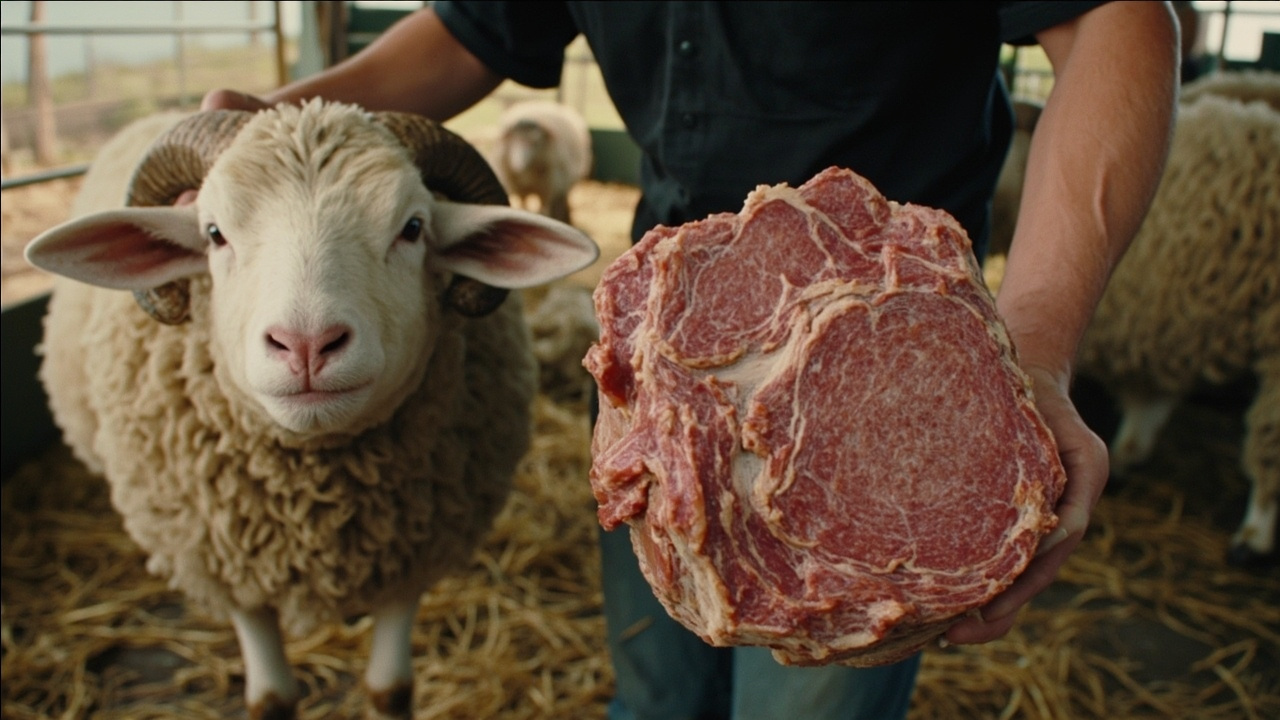
When to slaughter: 12-18 months for Dorper. They hit 35-40kg live weight. That's prime for off-grid.
Butchering: You can slaughter for personal use without a license (check your state rules). But you must be humane. No dragging them. Use a bolt gun ($150-$250 from Bunnings) or a rifle. Then hang for 24 hours.
Yield: A 40kg sheep gives ~20kg of meat. That's 10-12kg of chops, mince, and roasts. Enough for a family for months.
Tip: Keep a few ewes for breeding (1:10 ratio). But if you're off-grid and need meat, don't keep more than 5 breeding ewes. More than that, you're not self-sufficient.
Practical Tips: What Actually Works
Water is king: Off-grid? You need a dam or bore. Sheep drink 5-10L per day. No water = dead sheep. Budget $5k-$10k for a dam.
Fencing: Electric fence. $15-$20 per metre. Use 3 strands. No point in sheep if they escape or get eaten by dogs.
Feed: If you have good pasture, you're golden. If not, buy hay. $150-$250 per tonne (from local farms or Hay Direct). Don't feed grain – it's a waste of money.
Worms: Drench every 6 weeks in summer. $30 for a 100ml bottle (Fenbendazole). Use a vet for advice. Don't skip it – worms kill fast.
Health: Check for foot rot. Trim feet every 3 months. $50 for a foot trimmer (Bunnings). No foot rot = no dead sheep.
Australian Suppliers & Pricing (indicative prices)
⚠️ SAFETY WARNING: Working with electrical systems, structural modifications, or gas installations carries inherent risks. If you are not confident in your abilities, always engage a licensed professional.
Sandi shows how she built a simple, low‑cost fence and set up a rotational grazing system on a small Australian block, which is exactly the kind of practical, off‑grid detail that helps get a flock started without wasting time or money.— Fiona Gallagher
When to Call a Professional
While many off-grid projects are achievable as DIY, certain situations require licensed professionals:
Electrical work beyond basic 12V DC additions — requires a licensed electrician
Structural modifications to buildings or load-bearing elements
Gas line installation or modification
Solar array installations above safe voltage thresholds
Any work that affects the structural integrity of your property
Always check local regulations and obtain necessary permits before commencing work.