Ultimate Guide to Off-Grid Septic Systems for Australian Properties
Septic Systems Demand Respect
Last winter I got called to a property where the septic had contaminated the neighbour's bore. The installer had skipped soil percolation testing. Months earlier I'd stood at a different site watching a leach field discharge straight into a creek. The owners in both cases treated the systems as someone else's problem to maintain. The pattern keeps repeating: people underestimate what septic infrastructure actually needs to function, then pay me to sort out what proper installation would have prevented. What follows covers tank selection, state compliance and 2026 cost estimates — the groundwork that stops the failures I keep being called out to remediate.
By Sarah Chen· environmental engineer · water, waste and everything that flows downhill
“After my 2018 failure where three hundred litres of raw effluent flooded my garden, I learned that Australian clay demands a deeper soakaway than the manuals suggest.”
Off-Grid Septic Systems And Compliance
I’ve spent years installing and maintaining off‑grid septic systems on Australian blocks, and I can tell you that a reliable system is the only way to live sustainably without town sewerage. This guide covers choosing the right system, meeting compliance, the latest 2026 cost figures and the regulations that differ from state to state.
Aerated, Gravity, Hybrid and Composting Systems
Inside a Standard Anaerobic Tank: What Actually Happens
I still specify gravity-fed septic tanks and conventional drain fields where soil accepts 10-25 mm/hr and the household sits at one to four people. Step outside that band and the field backs up faster than a rain-soaked paddock after a downpour. I treat those numbers as non-negotiable on any plan I sign.
Pros: Low energy use, simple maintenance, proven reliability
Cons: Requires large land area, vulnerable to soil compaction, needs regular pumping
Recommended for: Rural blocks with 1-2 hectares of suitable soil
The AWTS Failure That Changed How I Specify Off-Grid Systems
Aerated Systems
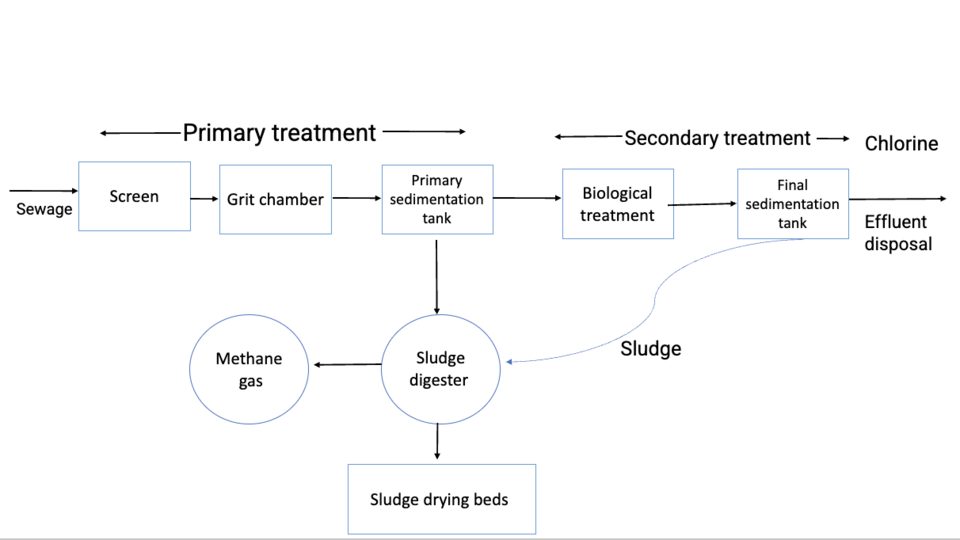
Tight block. Awkward setbacks. Sand over a high water table. That's where I reach for an aerated system. The unit pushes oxygen into the wastewater, so the bugs chew through the load faster than they would in a gravity-fed trench. Three chambers handle the work: an aeration tank where the air goes in, a settling tank that drops the solids, and a disinfection stage before the treated water leaves the site. It's the configuration I default to when the lot is too small for a conventional layout and the receiving environment can't absorb a half-treated plume.
Compost toilets don't replace a septic system, but I install them on every off-grid job alongside the tank. They handle the solids without water, which keeps the system focused on greywater. Skipping one means the other works harder than it should.
Pros: Zero water use, no effluent, ideal for water-scarce areas
Cons: Requires manual emptying, limited to toilet waste only
It walks through the entire install from excavating the pit to setting the tank and connecting the pipes, showing the correct fall for the inlet line—a practical step that prevents blockages.— Sarah Chen
Frequently asked questions
Are septic quotes really that high now?
In Ontario 2026, yes. Conventional gravity installs run C$25,000 to 40,000 and advanced treatment C$35,000 to 65,000+, even though plenty of owners still budget the "old" C$12,000 to 18,000. Australian installs land at A$8,000 to 25,000. AWTS adds quarterly servicing of A$280 to 400. The sticker shock is real on both sides of the Pacific.
Is a composting-plus-greywater system a legal substitute?
In Ontario, a certified system runs C$5,000 to 15,000 installed. That maths is a C$20,000+ swing against a Class 4 system, and it is consented. The trigger event is usually a failed perc test or a raw-land purchase where conventional was the assumed default.
What's the 10-year cost picture?
Conventional septic ≈ US$5,000 to 14,000 TCO, AWTS US$25,000 to 40,000, and a DIY humanure floor US$500 to 1,150. Worth noting: Biolytix, the worm-farm AWTS pioneer, liquidated in January 2011 owing A$2.6M and stranding roughly 390 customers. Van builders and cabin owners should choose their supplier carefully, because servicing continuity is part of the TCO.