Seed Cleaning: Off-Grid Essentials for Aussie Homesteaders
By Fiona Gallagher· permaculture designer · food, animals and preservation on 12 acres in Tassie
“After losing 40kg of heirloom beans to humid Tassie air because I trusted a plastic bin over a mesh sieve, I now cure and winnow every seed on my dry veranda before winter.”
Forget fancy gear. Seed cleaning isn't optional if you're growing your own food off-grid. Skip this step and you're just planting weeds. Here's how to do it right, Aussie-style.
Threshing: Get the Grain Out of the Straw
Threshing separates grain from stalks. No point having seed if it's still stuck in the plant.
Best methods:
Stomp it: Bundle grain stalks, stand on them, and kick. Works for small batches. Cheap. Brutal on your feet.
Hand cranks: Rural Supplies sells the Grain Thresher 200 for $129. Handles 5kg/hour. Not fast, but reliable. Get the 12V version if you're off-grid.
Don't use a tractor: Overkill for most homesteads. Costs more than the seed you'll save.
Tip: Do this on a hot, dry day. Wet grain sticks like glue. If it's raining, wait. Your seed will thank you.
Winnowing: Blow the Chaff Away
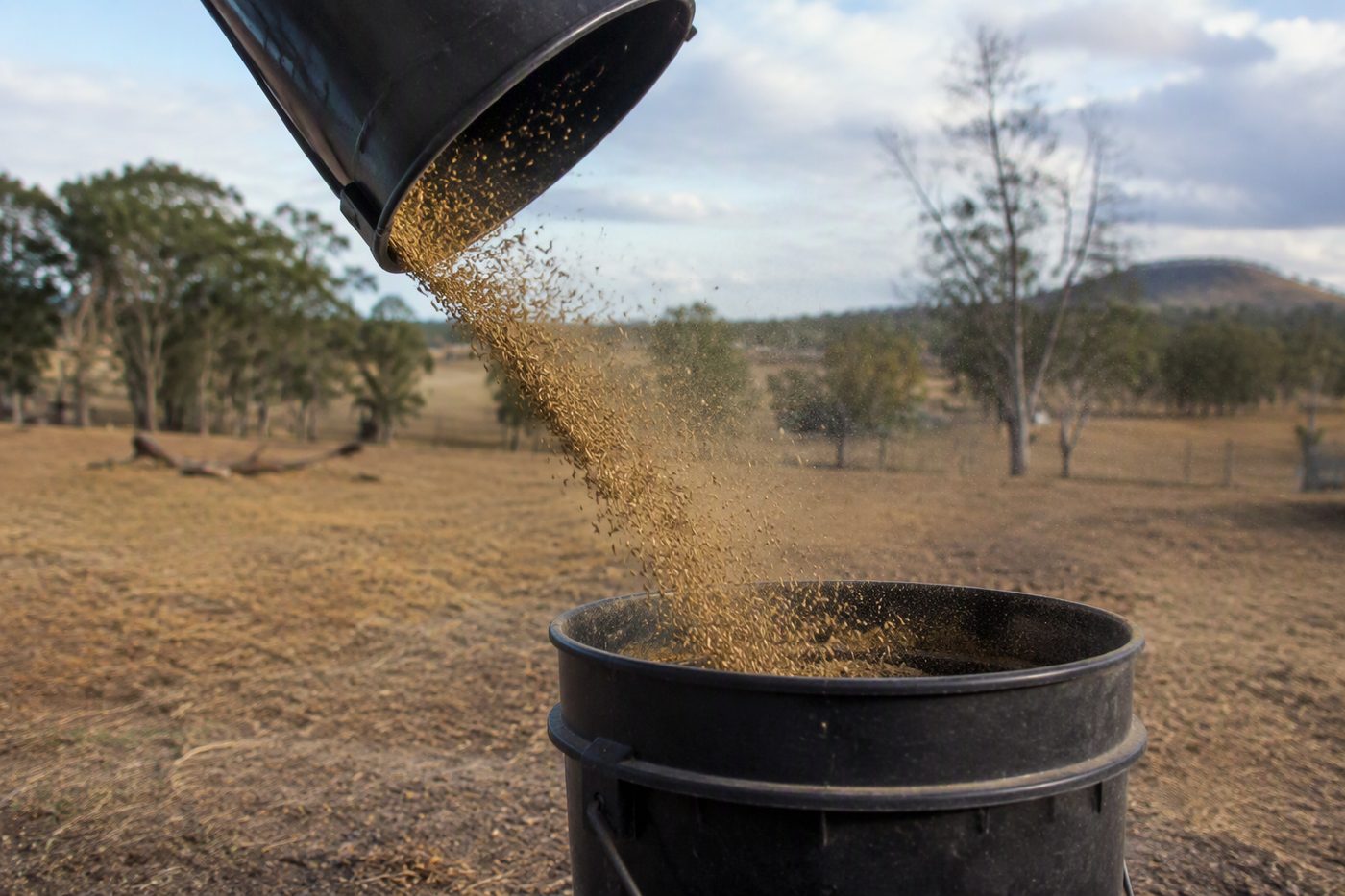
Winnowing separates grain from chaff (the useless bits). Wind is your free tool. Use it or lose it.
How to do it:
Traditional: Hold grain in a sieve, tilt towards wind. Chaff blows away. Works if you've got wind (which you do in most Aussie outback areas).
Winnowing fan: Rural Supplies has the WindBlaster Pro for $149. Battery-powered. Cuts winnowing time by 70%. Worth every cent.
Never use a hairdryer: It'll blow your seed into the next state. Stupid idea.
Australian supplier: Rural Supplies (Sydney-based). Stocked at most rural stores. Price: $149 for the WindBlaster Pro.
Screening: The Final Polish
Screening removes tiny stones, broken bits, and insect debris. Skip this and your seed will rot in storage.
Best options:
DIY screen: Cut a piece of hardware cloth (1mm mesh) to fit a colander. $5 from Bunnings. Works for most grains.
Commercial: Rural Supplies sells the Seed Sifter 300 for $35. Fits on any table. Handles 10kg/hour.
Never use a sieve: It's too coarse. You'll miss the bad stuff.
Tip: Screen your seed twice. First pass gets the big stuff, second pass gets the tiny debris. Takes 5 minutes. Don't skip it.
Real Talk: What You Actually Need
For a small off-grid plot (50m²), you need:
One hand cranked thresher ($129)
One winnowing fan ($149)
One DIY screen ($5)
Total: $283. Not a fortune. But if you skip it, your seed bank dies. That's $500+ in wasted seed.
⚠️ SAFETY WARNING: Working with electrical systems, structural modifications, or gas installations carries inherent risks. If you are not confident in your abilities, always engage a licensed professional.
The From Scratch Farmstead video walks through their concrete root cellar and the specific layering of sand, straw, and ash they use to keep root veg and seeds viable through a Tasmanian winter, which translates straight to our climate.— Fiona Gallagher
When to Call a Professional
While many off-grid projects are achievable as DIY, certain situations require licensed professionals:
Electrical work beyond basic 12V DC additions — requires a licensed electrician
Structural modifications to buildings or load-bearing elements
Gas line installation or modification
Solar array installations above safe voltage thresholds
Any work that affects the structural integrity of your property
Always check local regulations and obtain necessary permits before commencing work.