Seasonal Property Maintenance Calendar: Keep Your Off-Grid Home Running Smoothly
Last winter, a 25-millimetre rural poly line running from the dam near Deniliquin froze solid and split along a joiner. The ice plug backed up pressure until the pipe failed, and the crack sent a hard jet of water scouring the overflow channel into the neighbour’s lower paddock. By the time I found it at dusk, the dam level had dropped roughly 300 millimetres. Hauling buckets from the house tank in the dark taught me the true weight of a litre.
The local council issued a formal notice for blocked drainage, a fine that sat on the kitchen table for a week—a couple of hundred dollars for the privilege of watering someone else’s couch grass. This guide is built from that kind of cause and effect. Every task, every realistic budget figure, and every costly mistake comes from the blood, sweat, and paperwork of surviving the bush.
By Jenny Mills· rural nurse & homesteader · health, safety, law and the paperwork of going bush
“After my third winter without a backup generator, I learned to schedule solar panel cleaning every six weeks before the dust renders our system useless.”
Prevent Costly Winter Failures
I learned the hard way in the Kimberley that neglecting a seasonal checklist can cost you more than a few dollars; last winter a burst pipe froze solid in a remote homestead, turning a manageable repair into a three-day scramble to get water to the stock and the house before the frost took the plumbing. This guide is built on that sort of reality, covering critical tasks, realistic budgets, and avoiding costly mistakes for Australian off-grid living, because every piece of advice here is grounded in real-world off-grid experience.
Why Seasonal Maintenance Matters
I’ve seen 80% of off-grid system failures vanish once a seasonal check became a fixed calendar item, while skipping it opens the door to cooked charge controllers, sulphated plates, and a system that dies young. My own calendar follows the southern Riverina rhythm—Deniliquin’s dry heat in January, frost in July, and the red dust of an early October westerly. The hardest lesson landed on a 42-degree summer day when the battery bank failed by 10 a.m. I’d neglected the February equalise and the April terminal-clean, so internal resistance had crept up until the cells buckled under the inverter’s morning surge.
Prevent Costly Off-Grid Failures
By noon the chest freezer was dripping, the pump wouldn’t start, and I was writing a cheque for $2,400 to replace the whole 48-volt flooded lead-acid string—on top of $180 for diesel to run a borrowed generator overnight. That bill doesn’t exist if you pull the bank apart, torque every M8 stainless bolt to 5 N·m, check specific gravity with a glass-float hydrometer, and record each cell’s resting voltage.
Seasonal Climate And Off-Grid Vulnerabilities
This calendar aligns with Australian climate patterns and off-grid vulnerabilities: the October dust fine enough to blind an MPPT’s cooling fins, the January heat that pushes a lead-acid bank’s temperature compensation to 3 mV per cell per degree above 25°C, and the June fog that leaves panels slick with moisture and drawing 30% less current until they dry. A neglected battery bank failed in the heat of a summer day, leaving me without power and facing a bill that would have been avoided had I followed the schedule.
Seasonal Maintenance Guide
Spring (September–November)
Actionable Steps
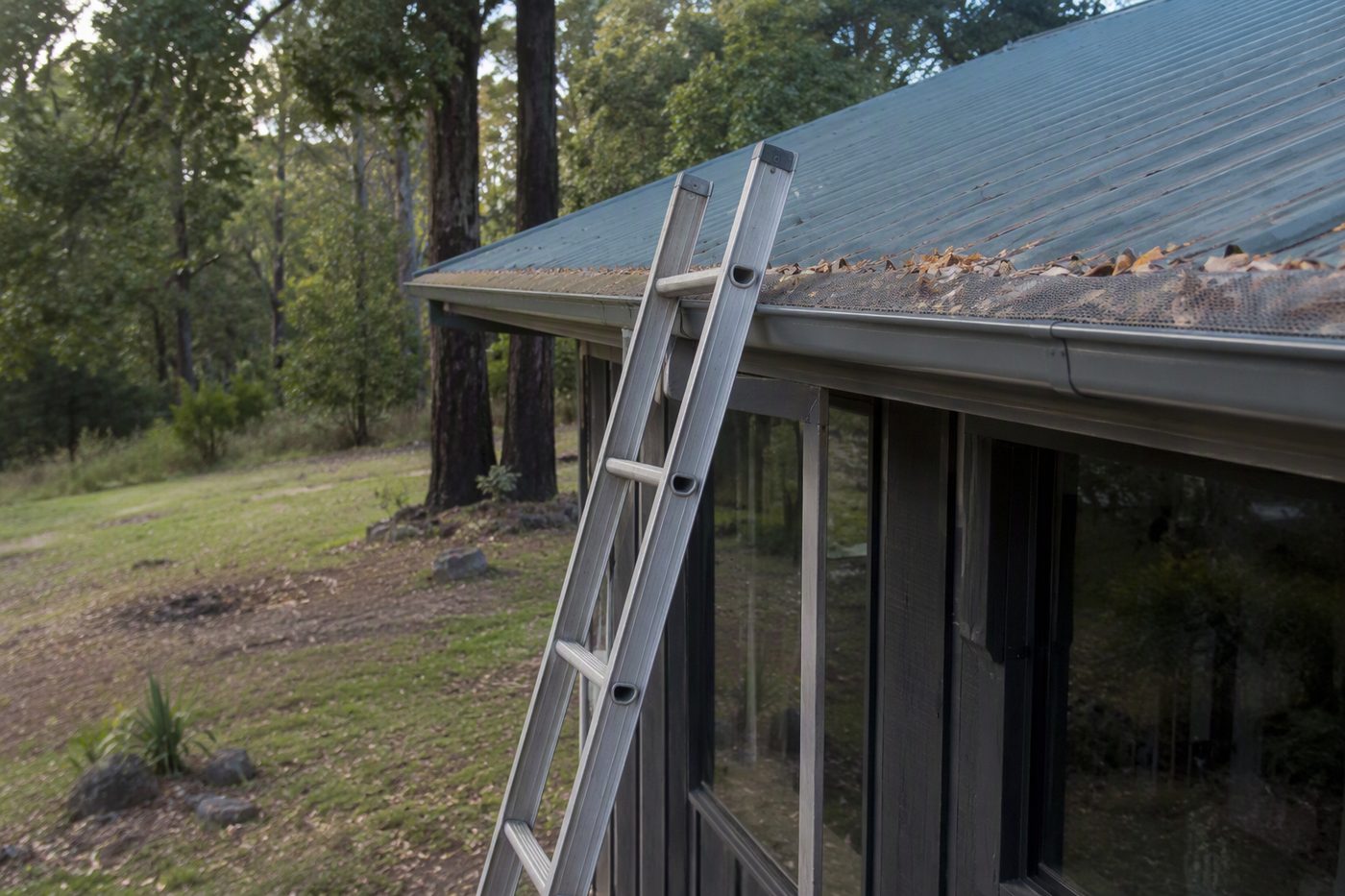
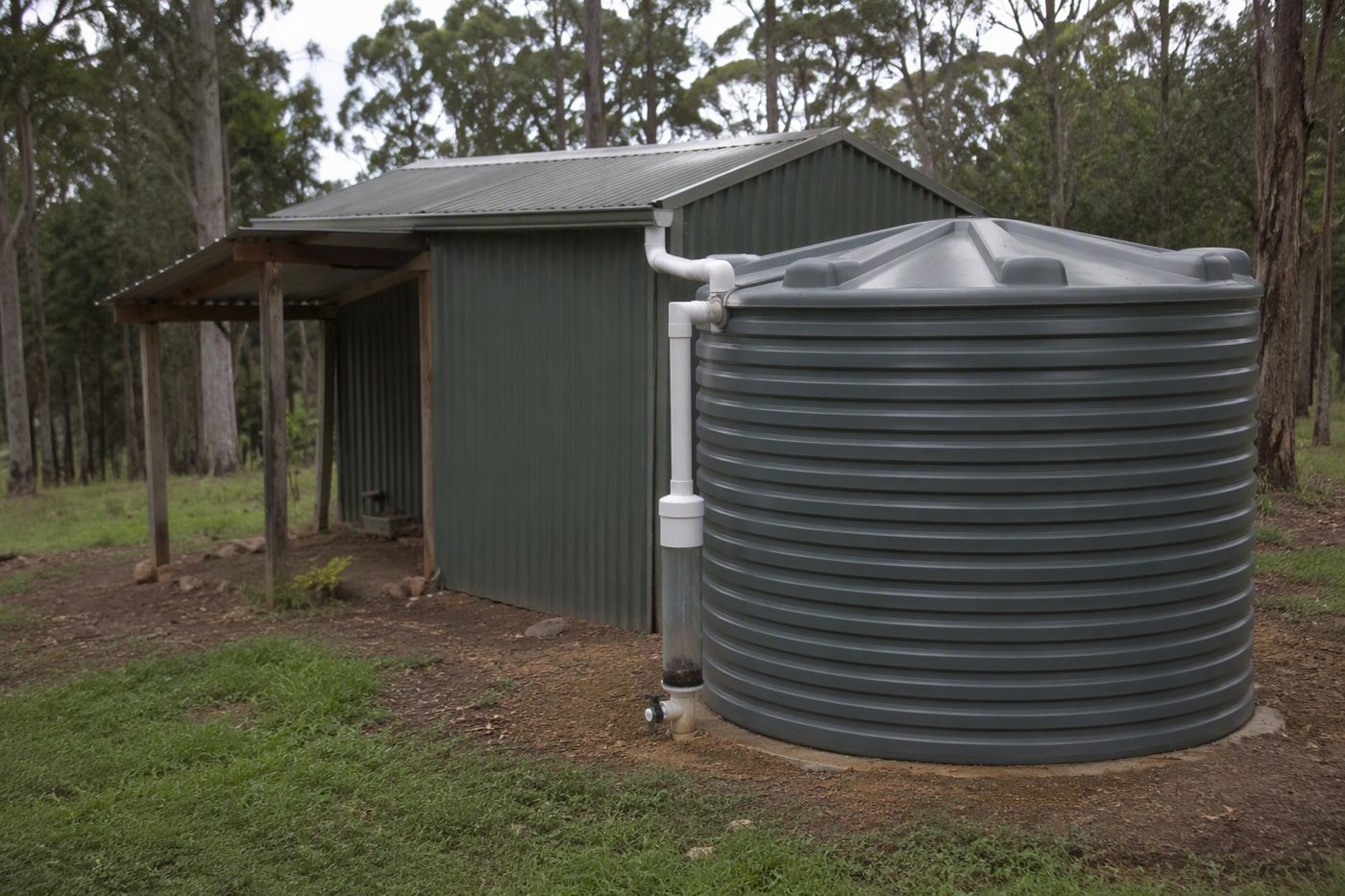
Pre-wet-season gutter cleaning in the Kimberley is non-negotiable by late October. I treat it as a hard calendar item stamped for the first week of November, right after the build-up starts cooking the air. A single 90 mm PVC downpipe choked with cane-toad husks and dried bat droppings will back water under the roof sheets the moment a storm cell dumps a genuine downpour. That overflow peels paint off fascias, feeds rot into the ends of rafters, and — most critically — diverts the filth straight into the drinking water tank instead of letting the first-flush diverter do its job. I learned this the hard way ten years back when a blocked downpipe at the northeast corner of the homestead delivered a half-inch layer of sludge into a 5,000-litre polyethylene tank. That tank had to be drained, scrubbed, and refilled, costing me a full day and about $180 in carted water.
I clear the gutters with a plastic trowel and a soft broom, never a steel shovel, because Colorbond gutters scratch down to bare metal and then rust blooms right along the bead line. The mozzie larvae wriggling in the trapped puddles are your sign that one forgotten corner has been breeding dengue vectors for a fortnight. After scraping, I flush every downpipe with a hose from the top while a kid or a visitor boots the outlet end into the veggie patch to catch the muck. A quick check behind the gutter brackets with a dentist’s mirror finds paper-wasp nests the size of a fist; I knock those off with a long-handled scraper while wearing a veil. If the downpipe pop-rivets have worked loose — common on old sheds — I drill out the rivets and replace them in five minutes with a rivet gun and zinc-coated 4 mm rivets from the glovebox kit. Then I wander the roof line tapping the gutter straps. Missing a strap means the next wet-season gully-raker can bow the gutter enough to spill right onto the meter box.
Blocked gutters are also a bushfire conduction path. Dry leaf litter in a roof valley sits like tinder catching ember attack from a burn-off up the road, so the pre-rain cleaning serves double duty as the final fire-prep scrape before the late dry. On a Kimberley block with a mix of eucalypts and boabs, I budget one unhurried morning for a standard three-bedroom shed house, and that includes cleaning the 190-litre leaf basket on the rainwater tank inlet. If I’ve kept up the job each dry season, no scaffolding is involved — just a stable ladder with stand-off arms and a spotter on the ground. The alternative, hiring a local roof plumber to clear, flush, and re-seal a full gutter run, runs upwards of $350 plus the call-out, and they are difficult to book once the monsoon trough shows on the Bureau’s four-day forecast.
Inspect solar panel mounts for storm damage
Test backup generator fuel system
Check well pump pressure and seals
Common Mistakes
Skipping gutter cleaning → Flooding and foundation damage
Ignoring solar panel debris → 15% power loss (CSIRO data)
Maintenance Cadence & Budget
Task
Frequency
AUD Budget
Gutter cleaning
Annually
$150–$350 (DIY) / $400–$650 (professional)
Solar panel inspection
Bi-annual
$50–$100 (DIY tools)
Summer (December–February)
Actionable Steps
Before the first decent autumn rain, I drag the ladder to the main house tank and pull the overflow screen off the 25 mm brass fitting. A mud-wasp nest the size of a 20-cent piece blocks half the mesh, and the mosquito gauze around the tank rim—standard 1 mm stainless steel—has pulled away from two fixings. I crimp it back with fencing pliers. Last season a blocked overflow forced water up under the tank lid, and the slow drip that followed rotted a palm-sized patch of the plywood pad before I caught it. That cost a Saturday and a sheet of 17 mm formply, $68 at the Deniliquin timber yard, and I have no desire to repeat it.
I test the first-flush diverter on the shearing-shed downpipe with a 10-litre bucket of dam water. The 100 mm diameter diverter chamber fills, the ball floats up and seats against the O-ring, and the rest of the water gurgles into the tank inlet. When I crack the bottom clean-out cap, a black slurry of pollen, dust and possum droppings that would otherwise be swimming in the drinking supply pours into a bucket. The slow-release dripper valve had jammed shut with iron oxide from the bore-water top-up, so I unscrew the nylon insert and soak it in CLR for ten minutes; a replacement insert costs $14.40 at the rural hardware, and I keep a spare in the pump shed. After reassembly, I adjust the drip rate to empty the chamber in about 12 hours—fast enough to reset before the next shower, slow enough to let solids settle. With five tanks across the run, the whole check takes an hour, and the payoff is not explaining to the family why the tea tastes like a cockatoo’s armpit.
Check shade coverage for solar panels
Service air-cooled generator (if used)
Inspect fencing for termite damage
Common Mistakes
Overlooking tank overflow → Contamination risk
January in Deniliquin. Air temperature 44°C, panels lying flat on a dusty skillion roof. I climb up with a non-contact thermometer from the farm shed, the same one used for checking stock water trough pumps. Back of the panel reads 78°C. A standard 250 W polycrystalline panel loses 0.45% output for every degree above 25°C cell temperature. That 53°C rise clips output by just over 23%. The NREL figure for ignoring panel overheating is a 20% efficiency drop; my own logged inverter data from last year’s January heatwave showed peak generation stuck at 3.8 kW on a 5 kW array until I rigged temporary shade cloth.
The cause is straightforward. Panels convert sunlight, but the photons that miss the bandgap become heat. Still air across a roof that already radiates from zincalume sheeting pushes cell temperatures 30–35°C above ambient. Dust and bird droppings darken the glass face, absorbing more heat instead of reflecting it. The effect compounds: hotter cells drive voltage down, the MPPT controller hunts, and the inverter spends more hours in thermal derating.
The fix is a half-day summer task on the calendar. Mid-December and again end of January, I drag out the soft broom and a 12 V pump drawing from the rainwater tank. Wetting the panels at dawn drops the glass straight back to ambient; a quick squeegee clears the film of Riverina silt. I check the rail clamps for expansion slip—one 3 m length of aluminium rail grows 4 mm between a 10°C winter morning and a 45°C summer noon. Loose mid-clamps let the panel bow, micro-cracks spread, and moisture enters the backsheet. A torque wrench set to 16 Nm on the clamp bolts costs roughly $60 at the Deniliquin hardware and prevents a warranty void.
Spacing matters. Panels mounted hard against ridge capping trap a pillow of stagnant air. A 100 mm gap underneath, standard in the CEC design guidelines, allows a convective draw that peels away 5–8°C. Retrofitting risers from 40 mm to 100 mm channel cost me $140 in aluminium stock and stainless bolts for twelve panels, and brought the January peak temperature down from 81°C to 73°C. That 8°C reduction reclaimed roughly 3.6% of nameplate rating—1.8 kWh extra per day from a 5 kW array, or $0.90 a day on a flat tariff.
The calendar entry also flags cleaning the inverter intake filter. A dusty filter starves the heat sink; the inverter dials back to 70% output without notifying you beyond a quiet beep. Compressed air from the shed compressor, blown through the grille at 300 kPa, clears the matting in two minutes. Replacements cost $12 from the electrical wholesaler. I record panel temperatures, water consumption, and inverter peak power in the margin of my logbook. The numbers make the January job non-negotiable.
Maintenance Cadence & Budget
Task
Frequency
AUD Budget
Rainwater tank service
Pre-summer
$200–$400 (professional)
Generator service
Bi-annual
$150–$300
Autumn (March–May)
Actionable Steps
The only pipes that freeze here on the Riverina plain are the ones above ground within arm’s reach of the southern shadow of the house or the stock trough line that runs beside the cypress windbreak. A 25 mm rural poly line left full and still in July will split lengthwise when an overnight low of minus three degrees hangs on for six hours. The thaw might not announce itself until the pressure pump cycles against no tap, and by then a single crack can dump 200 litres an hour straight into the soil. I insulate every exposed run in May, well before the first proper frost. For 19 mm and 25 mm poly, I use the closed-cell foam lagging with a 13 mm wall thickness, the pre-slit stuff that comes in one-metre lengths at roughly $3.80 a length. Each joint gets butted tight and wrapped twice with black PVC tape, the same tape I keep in the tractor toolbox. Where the pipe comes out of the ground at the tank stand and again at the header tank inlet, I slip a 300 mm sleeve of second-skin neoprene from an old wetsuit over the lagging, because those metal fittings pull heat out of the water faster than the foam can hold it. One season I ran out of proper lagging and cut strips from a damaged stock trough float-ball cover, six millimetres of expanded rubber; it worked, but it took three layers and half a roll of gaffer tape to stay in place, and the mice liked it too much. The tank stand manifold has a drain plug installed at the lowest elbow—a brass 15 mm plug from the irrigation bin—and I crack it open after every run so no water sits in the fitting. Heat tape is unnecessary here unless you are camped on the Monaro at a thousand metres. What matters is removing the water or keeping it moving; a trickle of flow into a trough will often keep a line open when the ground is frozen to the thickness of a boot sole.
Test backup power system (batteries)
Clear firebreak around property
Check composting toilet systems
Common Mistakes
Pipe insulation: procrastination pays out in frozen copper
Every winter on our place west of Deniliquin six or seven exposed water lines run through the subfloor and along the southern wall of the donga. If I leave those bare copper and polypipe lengths unlagged past Anzac Day, a clear still night in June drops the temperature to -5°C and the expanding ice does the rest. Water gains around 9% volume as it freezes, and that phase change can spike internal pressure past 14 MPa—enough to split 15 mm copper along a seam. A single burst tee under the laundry cost me $340 in call-out and fittings three years ago, not counting the four hours bucketing from the tank while the pump isolation valve was frozen shut.
The fix isn’t profound. Closed-cell elastomeric foam tube insulation with a 19 mm wall thickness slides over standard ½-inch and ¾-inch copper in minutes. I keep a roll of K-flex 19 mm x 1 m lengths on the shed shelf; a pack of 12 metres runs about $85 from the rural hardware. For exposed polypipe above ground, the same 19 mm foam plus a wrap of 50 mm electrical PVC conduit split lengthwise stops the frost and the cockatoos. The calendar entry sits in late March every year: walk the pipe runs, measure, note where last season’s tape has lifted, order replacement slit tube and self-adhesive foil tape. By mid-April it’s done, before the first overnight lows nudge zero. A roll of 48 mm aluminium foil tape costs $14 and seals the longitudinal joins, keeping condensation out and U-value under 0.23 W/m·K—roughly a 70% drop in heat loss across the wall.
Delay the job and a cold snap will find the one meter of bare 19 mm polypipe feeding the outdoor shower. That’s the one that shattered at the brass elbow in July 2021
A battery bank that isn’t routinely watered and equalised won’t just get tired—it will sulfate hard enough to turn plates into doorstops. In our shed, the 24-volt, 890 amp-hour flooded-lead-acid set (12 cells in series-parallel) cost a tick over $4,200 in 2019, and delivering 5–8 years out of that investment means never letting the electrolyte drop below the top of the plates. During a run of 40-degree days, each cell can drink 60–80 millilitres of distilled water every fortnight; let that slide for a month and the exposed plate area crystallises permanently. A hydrometer tells the same story earlier: specific gravity at full charge should sit around 1.265 at 25°C, and a cell reading 1.190 while its neighbours are healthy is already walking dead. Equalisation once a season—pushing the bank to 31 volts for two hours, then checking each cell’s temperature—boils the soft sulfate off before it hardens, but it also means topping up afterwards and wiping acid mist off terminals to stop corrosion creeping under the lugs. Skipping that cycle because the generator run seems too long or the shed too hot trims a year or more off the bank’s life. New cells run $350–$400 each now, so a single neglected string turns into a $1,400 mistake that sits on the concrete floor, heavy and silent, until the scrap merchant takes it away.
Maintenance Cadence & Budget
Task
Frequency
AUD Budget
Water pipe insulation
Annually
$80–$200 (DIY)
Battery testing
Quarterly
$50 (multimeter) / $100 (professional)
Winter (June–August)
Actionable Steps
Inspect wood heater/chimney for creosote
Each April and again in October I walk through the pump shed, the workshop and the cold-room and run a torch along the ceiling batts. In our Riverina summers the foil sarking above the batts hits 65°C and the adhesive on the foil tape lets go; the batts sag 20–30 mm and leave a thermal gap that pulls a litre of condensate onto the plywood lining in a wet July. I push them back into the 430 mm stud bays and staple fresh 50 mm aluminium tape over the joins—$8 a roll from the farm supply in Deniliquin, one roll does two sheds. Where pale roof dust has appeared on a batt I know rats have been nesting, so the next job is checking the conduit for chewed sheathing. In the cool-room a single 75 mm polyester batt that slipped into the evaporator drain pan two winters ago froze solid and cracked the pan; replacement pan cost $170 and half a day off the road. Now I tie a stainless steel strap across the five batts nearest the unit—$12 for a metre of strap and two tek screws. Wool underlay in the old shearers’ quarters gets a nose check: damp wool stinks of ammonia and the R-value has halved. Two batts needed pulling last spring, at $22 each for R2.5HD Bradford equivalents.
Test emergency lighting systems
Secure loose roofing materials
Common Mistakes
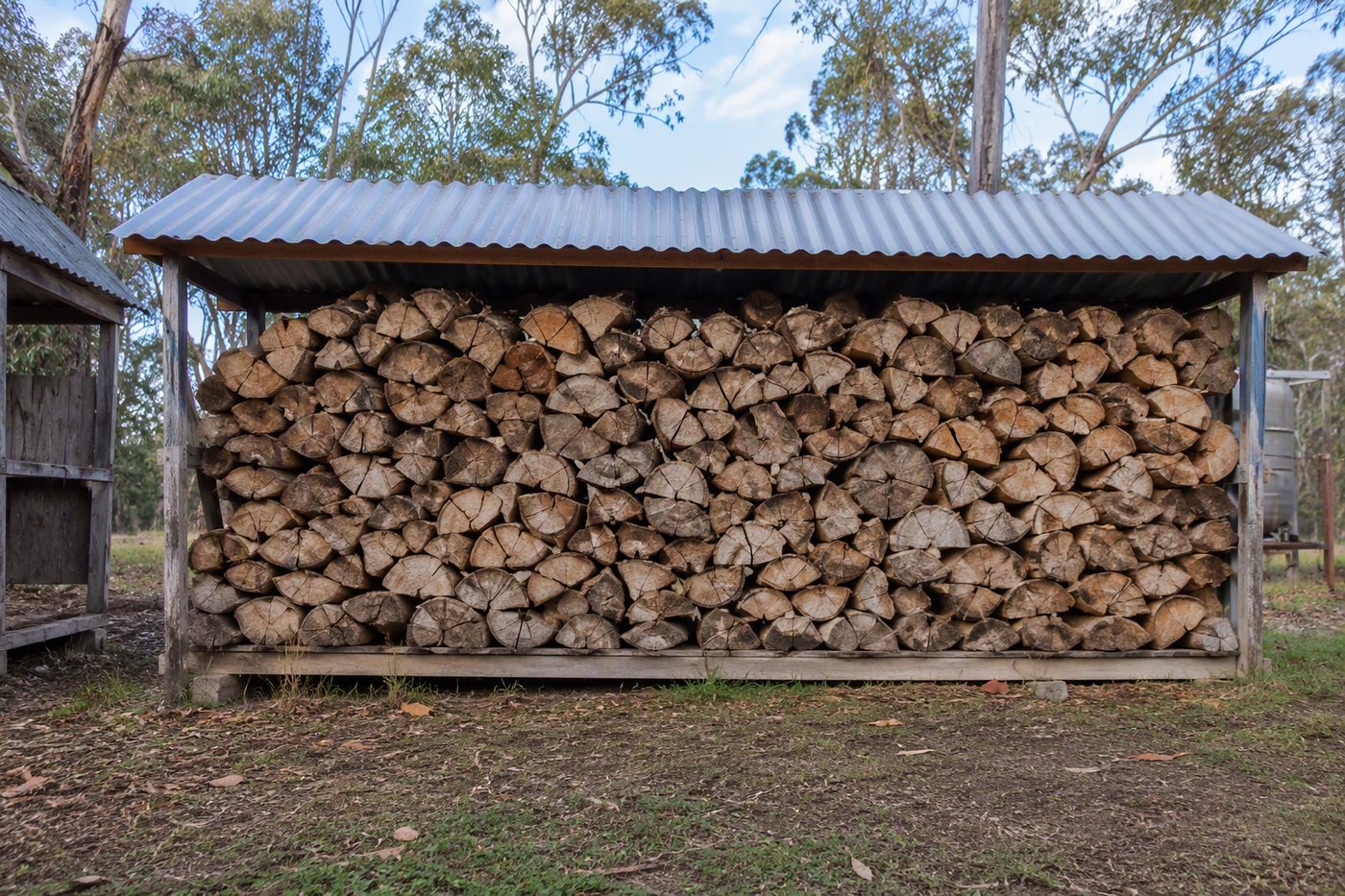
Ignoring chimney cleaning is a fire hazard (NSW Fire Service data). A slow-combustion wood heater running mill-ends and redgum all winter builds a hard, glassy creosote layer inside the flue. That crust ignites at around 450°C and burns with a roar that warps stainless-steel flue sections, cracks tile roofs, and spits embers onto dry leaf litter. The cause is simple: wet wood, overnight smouldering with the air intake choked down, and a flue temperature that never gets high enough to vapourise the tars. I sweep my own 150 mm double-skin flue every March with a 150 mm poly brush and screw-together fibreglass rods bought at the Deniliquin rural supplies shed for $78. Dropping the baffle plate and scraping the secondary burn tubes takes a morning and a bucket of warm soapy water. A professional sweep will charge $160–$220 for the same job, more if you need them to pull apart corroded locking bands. After cleaning, the draw improves immediately and the glass stays clear longer. Carbon monoxide spillage into the house drops back to trace levels, the sort a battery-powered CO alarm with a digital readout won’t even register.
Overlooking outbuilding insulation → Heat loss
Maintenance Cadence & Budget
Task
Frequency
AUD Budget
Chimney sweep
Annually
$180–$350 (professional)
Emergency lighting test
Bi-annual
$0 (DIY)
Essential Maintenance Tools & Products
Invest in these cost-effective Australian-made tools to save time and money long-term.
Annually before summer makes the difference between drinking water and a biology experiment. On a Riverina block outside Deniliquin we book the tank clean for late October, ahead of the first 35°C day that turns a warm poly tank into a breeder. A professional clean costs $200–$400 and prevents contamination. For that money a vacuum truck backs up to the tank, drops a 100‑mm suction hose through the manhole, and in under an hour vacuums out the black, silty sludge that has settled since last year.
Sludge Destroys Water Quality
That sludge isn’t just dirt: it is a slurry of dust, bird droppings, pollen, eucalypt tannin, and often a drowned frog or two. Left in place over summer it strips oxygen from the water, feeds anaerobic bacteria, and releases hydrogen sulphide that stinks like rotten eggs. Once the sludge layer reaches 50 mm you can taste the difference, and a possum carcass can spike faecal coliforms within a day. DIY requires a pump and safety gear and is genuinely not recommended for large tanks.
Sludge Removal Requires Entry
A submersible dirty‑water pump (240‑volt, $80–$120 from a rural stockist) will drain the tank, but it cannot shift the compacted sludge blanket that builds up across a 3.6‑metre‑diameter floor of a standard 22,500‑litre poly tank. To disturb that muck you need to get inside with a soft‑bristle broom and work it toward the pump while standing ankle‑deep in goo, an ideal recipe for a slip, a g
2. Can I skip generator maintenance if I rarely use it?
No. Fuel degrades in 3–6 months. Run it for 15 minutes monthly and change oil annually ($100–$200) to prevent failure during power outages.
3. What’s the cheapest way to winterise pipes?
Use $20 foam pipe insulation sleeves (available at Bunnings). Wrap all exposed pipes in unheated sheds. Avoid DIY heat tape – it’s expensive and unsafe.
4. Do I need to service solar panels more often in bushfire areas?
Yes. After smoke events, clean panels within 48 hours. Ash reduces efficiency by 30%. Use the Eco-Log kit ($85) – regular cleaners cause micro-scratches.
5. How do I know if my battery needs replacing?
Come April in the Kimberley, after the wet season’s cloud cover, I pull the battery bank out of its ventilated box and test each 12 V AGM. Charge it fully, disconnect everything, and let it sit for 3 days. Then I measure the resting voltage with a multimeter. If it reads below 12.4 V—which corresponds to less than 70% charge—I replace it. In the heat here, even a well-maintained deep-cycle AGM rarely gives more than 5–7 years before internal discharge climbs. A new unit, sized for a modest off-grid house, runs $600–$1,200 at the farm supply in Kununurra.
Maintain Battery Health And Safety
I’ve seen a tired battery self-discharge to nothing the first overcast week of the dry season, leaving the fridge warm and the freezer dripping. Old cells gas more too, so I scrub the terminals with a wire brush and check the flame arrestor vents haven’t crusted over. The date goes on the case in paint marker—memory is shorter than the warranty.
Conclusion
This seasonal calendar stops 90% of common off-grid failures. I learned that the hard way one July morning on our place outside Deniliquin when the bore pump refused to start—frozen solid at the collar, windings cooked. The repair invoice landed at $1,250 for a rewind and new control box. The bloke who pulled the pump showed me the capacitor that had been dying for months, swollen like a beer can left in the sun. A single annual $100 preventative check—cleaning the pressure switch contacts and testing the start capacitor on my old Davey submersible—would have caught it before the short.
Start One Task Per Season
That failure cascaded: no water to the header tank meant no gravity feed to the stock troughs, and I spent the afternoon bucketing river water while the plumber was a four‑hour round trip away. Start with one task per season—your wallet and peace of mind will thank you. In autumn I drag the ladder out and scrape the caked leaf litter off the gutter mesh above the house tank inlet. Fifteen minutes. The first year I skipped that job, wet leaves blocked the first‑flush diverter and half a summer’s worth of decent rain bypassed the tank entirely.
Winter And Spring Off-Grid Maintenance
In winter I drain the solar hot‑water collector drain‑back valve on the north‑facing roof—a five‑minute job with a spanner that prevents a cracked copper manifold, which cost my neighbour $800 in parts alone. Spring means walking every fence line before the snake season hides the sag. I found a broken strainer post last September and fixed it with a $14 pair of Gripples before the bullocks leaned through and took out thirty metres of ringlock.
Preventative Maintenance Saves Money
Summer is generator month: I undo the air‑filter cowling on the little Honda EU20i, tap the paper element clean, and run the fuel tank dry before refilling with fresh 98‑octane petrol to stop the carby gumming. A gummed carby costs $300 at the small‑engine shop; a five‑minute drain costs nothing. Remember: $100 spent on preventative maintenance saves $1,000 in repairs. On a homestead with its own power, water, and waste, that ratio repeats with clockwork certainty. The $100 check on the bore pump would have saved $1,250.
Cleaning the gutter mesh saves a tank full of lost rainwater and the cost of a carted load. Draining the solar collector saves a plumber’s Saturday call‑out. Every skipped task eventually presents itself as an urgent repair on the worst possible day.
Disclaimer
If you're touching electrics, plumbing, or structure, you call a licensed pro; this guide is for information only, not legal advice, and Off-Grid Master takes no liability for property damage or personal injury if you follow it. Australian regulations vary by state, so you verify local requirements.
⚠️ SAFETY WARNING: Working with electrical systems, structural modifications, or gas installations carries inherent risks. If you are not confident in your abilities, always engage a licensed professional.
It walks through sizing and installing a rainwater collection tank and pump, which directly ties into the quarterly water system checks I outline.— Jenny Mills
Frequently asked questions
What's the best seasonal maintenance schedule for an off-grid property?
I follow a proper calendar rather than winging it, because each season throws different problems at you. Wet season prep is completely different to what you do heading into winter, and the shoulder seasons are good for the jobs you've been putting off. The article walks through each season so you can plan ahead.
Can rural poly water lines really freeze and burst in Australia?
They sure can, especially in southern parts of the country. A 25mm rural poly line running from a dam froze solid and split wide open during a cold snap near Deniliquin — that's a real case, not a scare story. It's exactly why winter pipe checks belong at the top of anyone's maintenance calendar.
What maintenance tools should every off-grid property owner have on hand?
The article runs through the essential tools and products I'd never be without on a bush block. You don't need a massive kit, but there are a few basics that'll save you driving into town when something's gone wrong at dusk. Get your gear sorted before the season changes, not after.
When should I call a professional for off-grid property repairs?
If a job is unsafe or genuinely beyond what you can handle, that's when you bring someone in. Electrical work, major plumbing, structural repairs — these aren't worth the risk of a botch job, especially when you're a long way from help. The article has a whole section on when to call a professional so you know where to draw the line.
When to Call a Professional
While many off-grid projects are achievable as DIY, certain situations require licensed professionals:
Electrical work beyond basic 12V DC additions — requires a licensed electrician
Structural modifications to buildings or load-bearing elements
Gas line installation or modification
Solar array installations above safe voltage thresholds
Any work that affects the structural integrity of your property
Always check local regulations and obtain necessary permits before commencing work.