
By Jenny Mills · rural nurse & homesteader · health, safety, law and the paperwork of going bush
“After losing 40% of my winter grain to rats, I learned that sealing a 10mm gap is the only pest control that truly works.”
By Jenny Mills · rural nurse & homesteader · health, safety, law and the paperwork of going bush
“After losing 40% of my winter grain to rats, I learned that sealing a 10mm gap is the only pest control that truly works.”
Sealed every entry I could find on the off-grid block and set snap traps baited with peppermint oil. Three days later a rat had chewed straight through the sealant. Another batch of traps cost me $45, another $12 in oil. When I rang the local council about the rodenticide, they told me it breached the pest-management bylaws. Fines were the next risk. I tipped the poison out, went back to manual traps, and learned that on this property prevention is the only legal route.
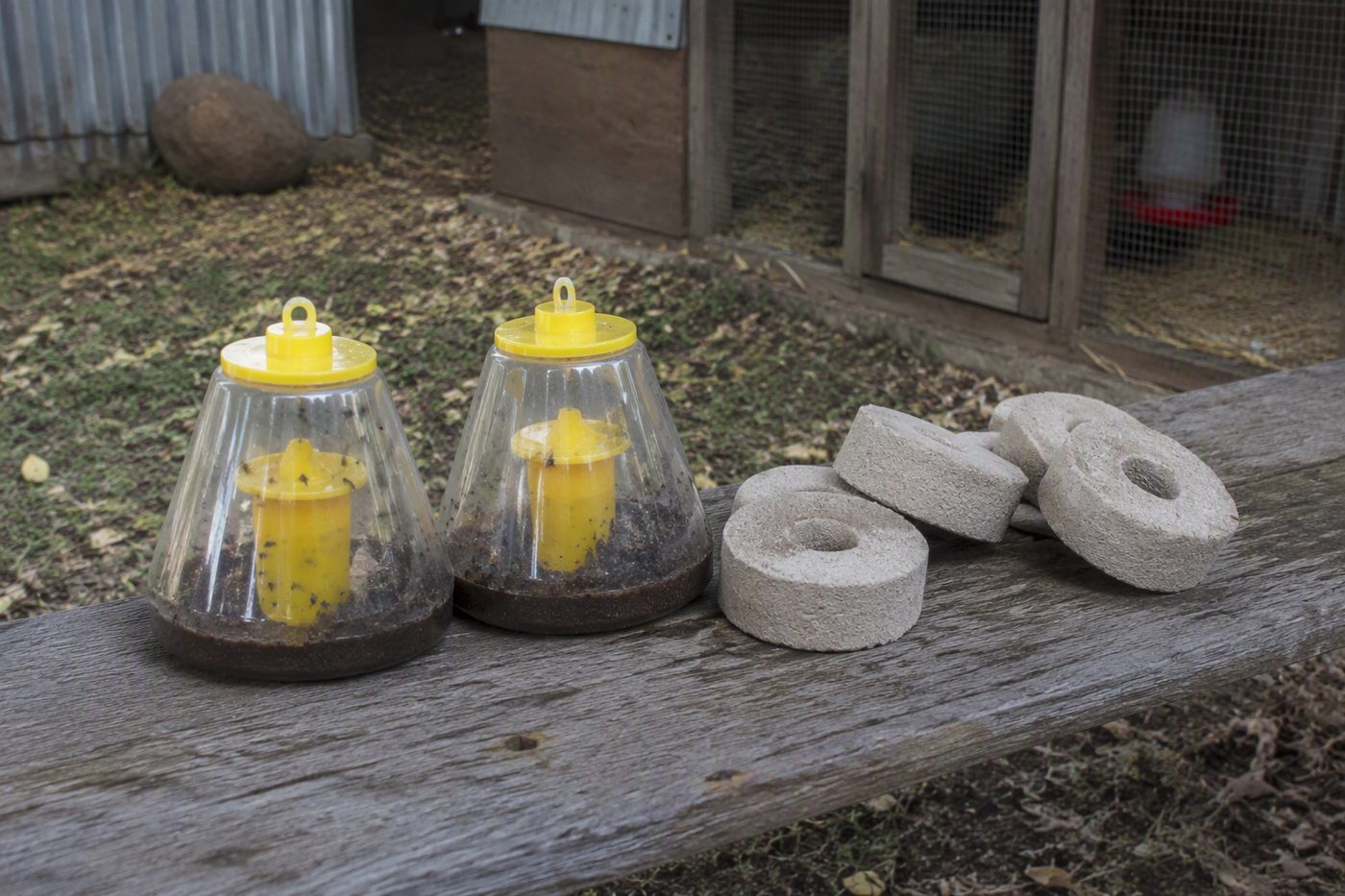
My first swing at insect control earned me a $450 council fine for spraying unregistered pesticide on public land. That stung. These days I stick to diatomaceous earth for crawling insects, neem oil on the vegies, and citronella candles around the verandah to keep the mossies down. Keeps the ants out of the pantry too. No more fines, no more poison in the soil, and the law stays on my side.
I keep birds off my off‑grid site with a mix of netting, spikes and reflective tape. The netting works best when stretched tight over the rafters; the spikes stop the larger ibis but the ultrasonic unit I tested did nothing. Reflective tape gives a brief flash of deterrence, then the birds ignore it.
Start by starving them out. No rodent crumbs about the place, no pet bowls left out—that's the first move. I dust cinnamon or sulphur around the shed, though the effect fades after a few weeks and you're reapplying before you know it. Physical barriers do the heavy lifting: solid flyscreen fitted to every door, gaps under the cabin sealed, and a steel‑mesh skirt around the foundation. When I need a quick result I spray a commercial snake repellent and set a motion-activated unit to scare off anything that comes too close.
While many off-grid projects are achievable as DIY, certain situations require licensed professionals:
Always check local regulations and obtain necessary permits before commencing work.
Worth a watch: HOMESTEAD HACK - Organic Rodent & Insect Repellent For The Garden · PINE MEADOWS HOBBY FARM A Frugal Homestead