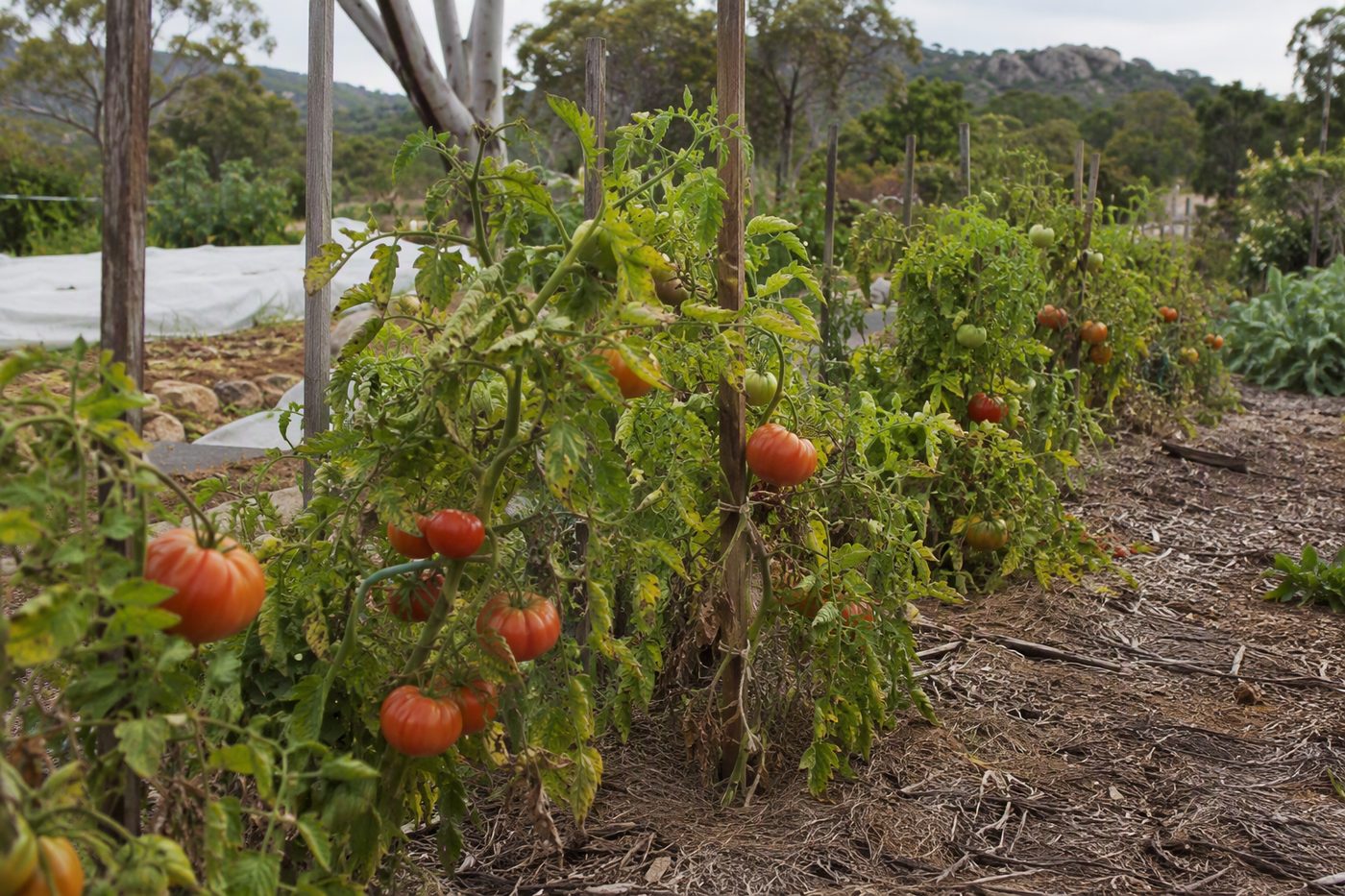
No fancy tech. No bullshit. Just how to save seeds that'll keep you fed when the grid dies. Open pollinated (OP) seeds are your lifeline. They breed true year after year. Unlike hybrids (which die after one crop), OP seeds are your off-grid insurance policy.
The six-step open-pollinated seed saving cycle from selection to replanting.
Isolation: Keep Your Seeds Pure (Or They'll Fuck Up)
Plants cross-pollinate like bees on a honeycomb. If your tomatoes mate with a neighbour's, your next crop might taste like a lemon. Isolate properly or forget it.
Distance is key: 50m minimum for most veggies. For corn or squash? 1km. Seriously. Don't be lazy.
Physical barriers: Use row covers or netting. Or plant in a paddock with a natural windbreak (like a hill). No excuses.
Timing: Stagger planting times. If you plant beans early and late, they won't cross. Simple.
Real talk: If you're in a suburb, forget isolation. Grow only one variety per crop. Or move to the bush. No in-between.
Selection: Pick the Best, Ditch the Rest
Don't just grab any seed. You're breeding for survival. Pick the toughest, most productive plants.
Wait for maturity: Let plants fully ripen. If they're still green, they're weak. Skip 'em.
Chose for your climate: Pick the plants that survived drought, pests, or heat. Not the ones that looked pretty.
Discard weaklings: If a plant's got disease or stunted growth, burn it. Don't waste seed on dead weight.
Example: In drought years, only save seeds from the tomatoes that still produced fruit when others withered. That's your future crop.
Storage: Keep Seeds Alive Until You Need Them
Bad storage = dead seeds. Do it right or you're back to square one.
Dry thoroughly: Spread seeds on paper in a warm, dry place for 1-2 weeks. No humidity. If they're damp, they'll mould.
Container: Glass jars or airtight plastic. No plastic bags (they trap moisture). Add silica gel packs if you've got 'em.
Store cool/dark: A cupboard is fine. Avoid sheds (too hot/humid). Basement? Only if it's dry. Don't risk it.
Test viability: Every 2 years, test 10 seeds. If less than 70% sprout, toss 'em. Don't gamble.
Aussie seed suppliers (no markups):
- Seed Savers Australia (NSW): $5-$15 for 10-50 seeds. Real OP varieties. No hybrids.
- The Seed Bank (VIC): $3-$12. Good for basics like beans, peas, lettuce. Check their site for current stock. Tip: Buy only what you need. OP seeds are cheap. Don't overstock.
Final Word
Open pollinated seeds aren't magic. They're work. But if you're off-grid, they're non-negotiable. Isolate. Select. Store. Repeat. Your future self will thank you when the power's out and the shops are empty.
When to Call a Professional
While many off-grid projects are achievable as DIY, certain situations require licensed professionals:
Electrical work beyond basic 12V DC additions — requires a licensed electrician
Structural modifications to buildings or load-bearing elements
Gas line installation or modification
Solar array installations above safe voltage thresholds
Any work that affects the structural integrity of your property
Always check local regulations and obtain necessary permits before commencing work.
It cuts through the label jargon and shows you exactly what to look for to confirm a seed is truly open‑pollinated rather than a hybrid or GMO, which is the most common mistake I see with off‑grid seed stockpiles.— Fiona Gallagher