Off-Grid Laundry Solutions: Washers, Drying, and Water Conservation
Clean clothes without the grid. I've worked a hand-cranked tub, run a 12-V washer off a solar panel, and hosed down laundry with a portable pressure-washer at the creek. The methods that actually hold up on a remote homestead are few. I'll walk through each one I've used, with the results — good and bad.

By Jenny Mills · rural nurse & homesteader · health, safety, law and the paperwork of going bush
“After losing three days of clean linen to a sudden hailstorm, I now wash only on Tuesdays when the water tank is full.”
Off-Grid Laundry: The Real Problems You'll Hit
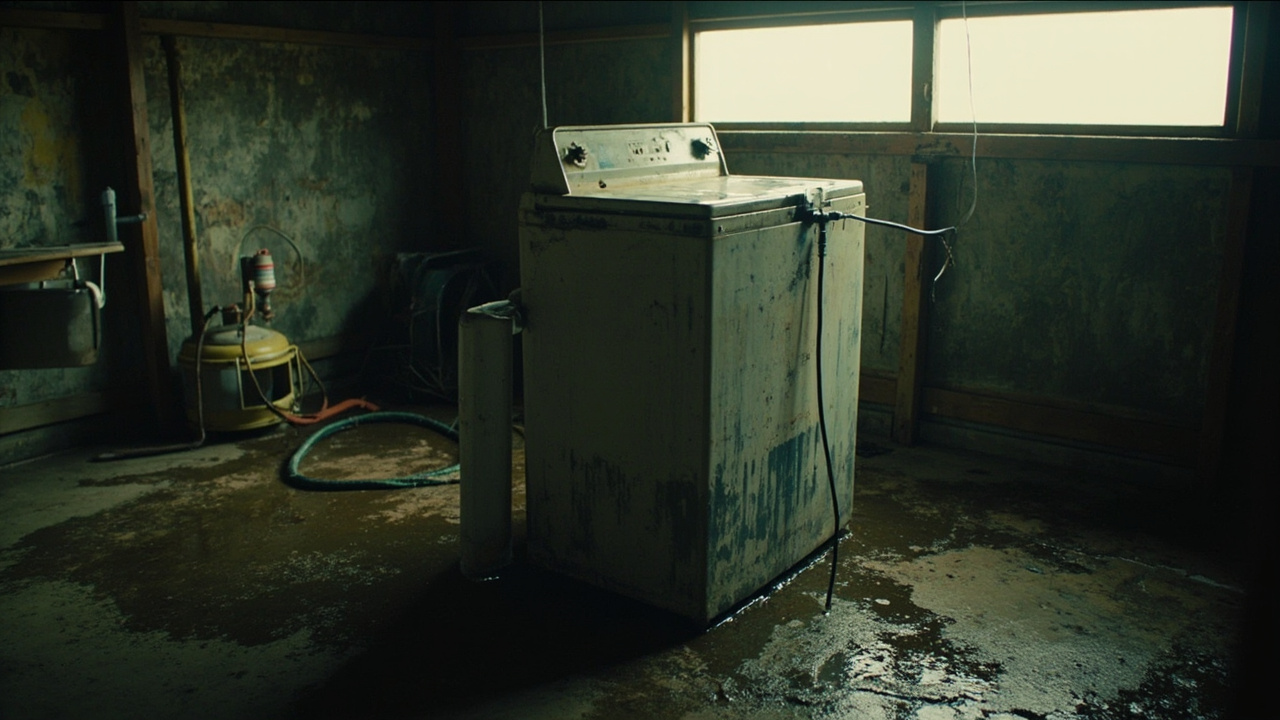
I learnt this the hard way out here in New South Wales. My water comes from a tank that drops a few centimetres every wash, my power runs off a system that flat-out refuses to run a standard machine, and my back is the only agitator I've got. I paid $320 for a portable washer and watched it fail on the first proper load, which taught me more about off-grid laundry than any YouTube tutorial ever did. Clean clothes off-grid are achievable, but only if you stop pretending the same rules apply. That first failed wash left me with damp gear strung around the shed for three humid days, and what it cost me most was time and patience, not the $320.
Key Constraints
- Water availability: Limited supply requires conservation
- Power requirements: Traditional washers use 500-1500W
- Hot water: Energy-intensive to produce
- Greywater disposal: Must be managed properly
- Space: Compact equipment often needed
- Weather: Drying depends on conditions
Twelve Months of Off‑Grid Laundry: The Real Numbers
- Average household: 300-400 loads per year
- Traditional top-loader: 40-50 gallons per load
- HE front-loader: 15-25 gallons per load
- Hand washing: 5-15 gallons per load
- Line drying: $0 and zero energy
- Electric dryer: 3-5 kWh per load
Hand‑crank washers: what actually happens at a remote site
Plunger-Style Washers
The simplest off-grid washing solution uses a modified toilet plunger and a bucket:
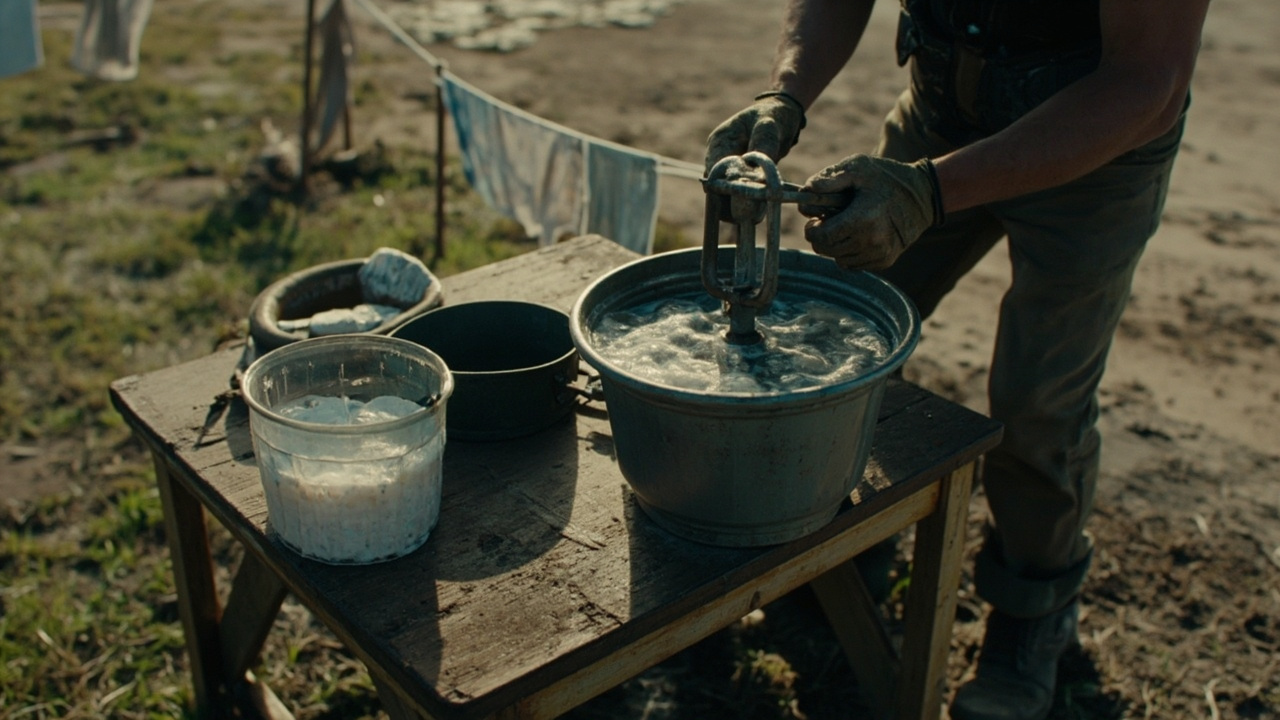
- Cost: $15-30
- Capacity: 1-2 garments or small load
- Water use: 3-5 gallons
- Power use: None
- Time: 10-15 minutes active
How it works: Agitate clothes in bucket with perforated plunger, drain, rinse, wring, and dry.
Hand-Crank Washers: What Actually Happened
Dedicated manual washers offer more capacity with minimal effort:
WonderWash
- Cost: $50-70
- Capacity: 5 lbs (small load)
- Water use: 5 gallons
- Power use: None
- Mechanism: Pressure and agitation from hand-cranking
Lavario Portable Clothes Washer
- Cost: $150
- Capacity: 7-8 lbs
- Water use: 10 gallons
- Power use: None
- Mechanism: Bucket-style with hand-powered agitator
Breathing Mobile Washer
- Cost: $25
- Type: Plunger-style with optimized design
- Efficiency: Superior to standard plunger
- Portability: Extremely light and packable
Foot-Powered Washers
Use leg power instead of arm power for larger loads:
Drumi (Yirego)
- Cost: $300-400
- Capacity: 5 lbs
- Water use: 5-10 liters
- Power use: None
- Feature: Spin cycle included
- Best for: Apartment dwellers, van life
Washboard and Plunger: When Hand-Washing Saves Water and Steals Your Day
Pros:
- Zero electricity required
- Minimal water usage
- Very low cost
- Portable and lightweight
- Quiet operation
Cons:
- Labor-intensive
- Small capacity per load
- Difficult to wring out heavy items
- No spin cycle (most models)
- Time-consuming for large families
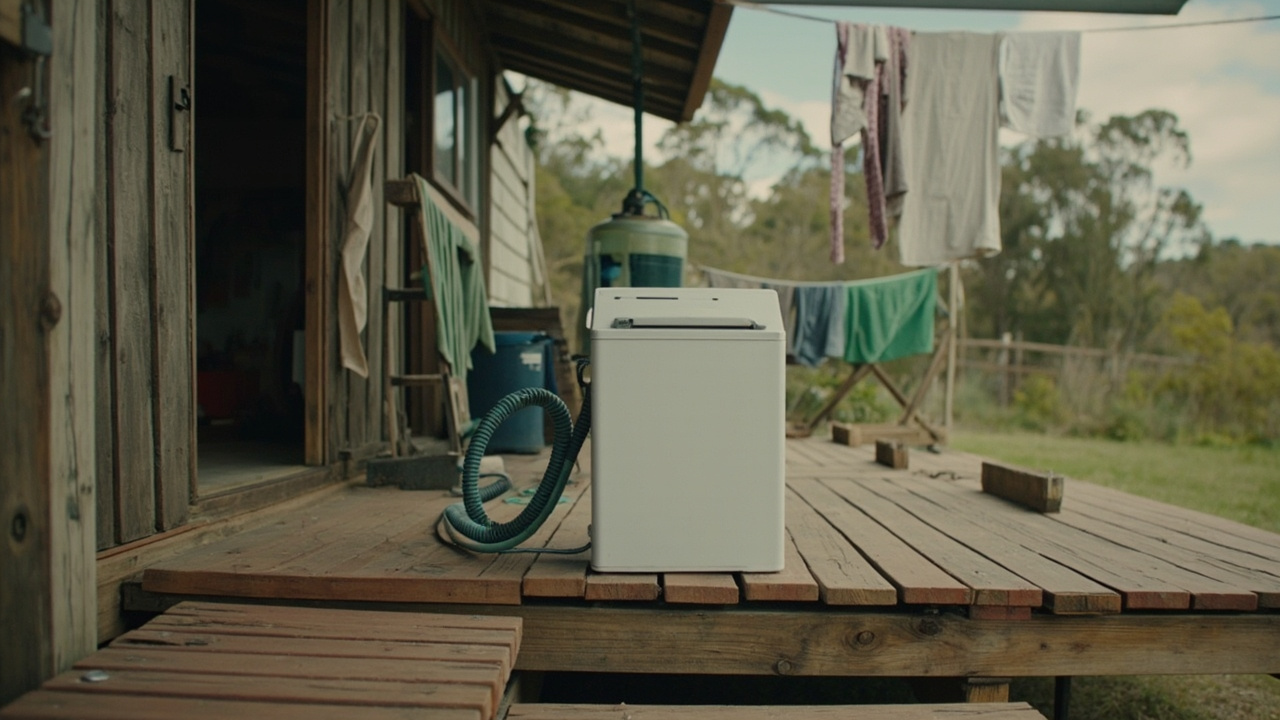
The $320 Portable Washer
The $320 Top-Loader: What It Couldn't Handle
Small electric washers designed for apartments and RVs:
Giantex Portable Mini Compact
- Cost: $200-250
- Capacity: 8-10 lbs
- Water use: 15-20 gallons
- Power use: 300W wash, 150W spin
- Features: Twin tub with separate spinner
Costway Mini Washing Machine
- Cost: $150-200
- Capacity: 8 lbs
- Power use: 240W wash
- Features: Single tub, built-in drain pump
Super Deal Portable Twin Tub
- Cost: $130-170
- Capacity: 13 lbs total (8 wash, 5 spin)
- Power use: 130W wash, 70W spin
- Weight: 24 lbs
Full-Size, Water-Saving Washers: Why I Ditched the $320 Portable
For permanent off-grid homes with adequate power:
LG WM3400CW
- Cost: $700-800
- Capacity: 4.5 cu ft
- Water use: 12-15 gallons
- Power use: 100-500W variable
- Features: Inverter motor, cold wash optimized
Samsung WF45R6300AW
- Cost: $800-900
- Capacity: 4.5 cu ft
- Water use: 10-15 gallons
- Power use: Inverter efficient
- Features: Steam sanitize, quick wash cycles
12‑V Portable Washer in Humid NSW: The Three‑Day Dry
Designed for RVs and marine use, compatible with battery systems:
Splendide 2100XC
- Cost: $1,200-1,400
- Type: Washer/dryer combo
- Power: 120V AC (can run from inverter)
- Features: Ventless drying, 15 lb wash
- Best for: RVs, tiny homes
Panda Compact Washer (XPB series)
- Cost: $200-300
- Capacity: 10-15 lbs
- Power use: Low, inverter-friendly
- Features: Gravity drain, timer control
Generator Hours and Inverter Sizing for Portable Washers
Watt-Hours Per Load: What Off-Grid Washers Actually Draw
| Type | Wash Cycle | Spin Cycle | Annual kWh |
|---|---|---|---|
| Manual/hand-crank | 0W | 0W | 0 |
| Portable twin tub | 130-300W | 70-150W | 50-100 |
| Full-size HE top-load | 300-500W | 400-600W | 200-300 |
| Full-size front-load | 100-500W | 300-500W | 150-250 |
| Traditional top-load | 500-800W | 500-800W | 400-600 |
Sizing Solar for My $320 Portable Washer
To run an efficient electric washer (150 kWh/year):
- Daily consumption: 0.4 kWh average
- Solar array needed: 200-300W additional
- Battery storage: 2-3 kWh for flexibility
- Inverter: 1000W minimum (1500W recommended)
How My 320W Washer Trips the 1kW Inverter at Spin
Washing machines have startup surges:
- Startup surge: 2-3x running wattage
- Inverter must handle surge capacity
- Pure sine wave inverter required for modern washers
- Consider soft-start devices for large loads
Time Loads to Peak Solar, Not Peak Convenience
Optimize power usage:
- Run washer during peak solar hours (10am-2pm)
- Wash on sunny days when batteries are full
- Avoid washing during cloudy weather or low battery
- Cold water washes use less energy
My Three-Day NSW Wash: Line, Spin, Electric
Clothesline Drying
The original off-grid dryer—still the most efficient:
- Cost: $20-100 for setup
- Energy use: Zero
- Best conditions: Breezy, sunny days with low humidity
- Drying time: 2-6 hours depending on conditions
Line Drying Tips:
- Hang shirts upside down by hem (reduces clip marks)
- Shake clothes before hanging to reduce wrinkles
- Hang similar fabrics together
- Use indoor drying racks during winter/inclement weather
- Wooden clothespins last longer than plastic
Spin Dryers: Vibration, Power and Mounting
Extract most water before line drying:
Nina Soft Spin Dryer
- Cost: $150-200
- Capacity: 12 lbs wet clothes
- Spin speed: 3,200 RPM
- Power use: 300W
- Water removal: Removes 90% of water
- Drying time: 2-3 minutes
The Electric Dryer That Outlasted the $320 Washer
For when line drying isn't possible:
Panda Portable Ventless Dryer
- Cost: $300-400
- Capacity: 8-10 lbs
- Power use: 850W
- Type: Ventless condensation
- Best for: Apartments, small spaces
Heated Drying Racks
- Cost: $80-150
- Power use: 100-200W
- Features: Gentle heat accelerates drying
- Best for: Indoor winter drying
Drying Laundry on the Wood Stove
For homes with wood heat:
- Wall-mounted drying racks above stove
- Retractable ceiling racks
- Free heat during heating season
- Reduces humidity in dry winter air
NSW Greywater Codes and What Councils Actually Enforce
Greywater, Mulch Trenches, and the NSW Council Permit
- Use spray bottle for spot pre-treatment instead of soaking
- Reuse wash water for subsequent loads (dirtiest to cleanest)
- Wash full loads when possible
- Choose appropriate water level for load size
- Harvest rainwater for laundry use
From Wash Cycle to Garden Beds: My Greywater Loop
Laundry water is excellent for irrigation:
- No human waste (unlike blackwater)
- Biodegradable soap = plant nutrients
- Reuse reduces overall water consumption
Choosing Biodegradable Soap When the Wash Water Hits the Garden
For greywater systems, use only biodegradable products:
- Dr. Bronner's Castile Soap: Fully biodegradable
- Seventh Generation: Plant-based, greywater safe
- Bio Pac: Specifically for greywater systems
- Charlie's Soap: Low suds, biodegradable
Avoid: Bleach, fabric softeners, conventional detergents with phosphates and synthetic fragrances.
Greywater, Council Inspection, and the $850 Lesson
Simple Bucket Method:
- Capture washer drain in large container
- Bucket to trees/shrubs
- Immediate use (no storage)
Branched Drain System:
- Gravity-fed distribution to mulch basins
- No pumps or filters needed
- Mulch filters water and prevents pooling
Constructed Wetland:
- Biological filtration through plants and gravel
- Polishes greywater for wider irrigation use
- Attractive landscape feature
What I Bought, What Broke, and What the Council Told Me
Ultra-Budget ($0-50)
- Bucket and plunger method
- Clothesline with rope and clothespins
- Manual wringing
My $50-200 picks for off‑grid washing
- WonderWash: $60
- Breathing Mobile Washer: $25
- Retractable clothesline: $30
- Manual wringer: $50
The $200-500 Range: The $320 Portable Washer
- Giantex Twin Tub: $220
- Nina Spin Dryer: $180
- Drying rack set: $100
Premium ($500-1500)
- LG HE Front-Load: $800
- Splendide Combo Unit: $1,300
- Complete drying system: $200
Efficiency Tips For When the $320 Washer Dies and the Council Writes
When my $320 NSW washer turned a wash into a three‑day dry
- Wear items multiple times before washing
- Use aprons for cooking
- Spot clean when possible
- Air out clothes between wears
Wash Smarter
- Always wash full loads
- Use cold water when possible
- Choose shorter wash cycles for lightly soiled items
- Pre-soak heavily soiled items
- Use appropriate detergent amount (more isn't better)
Three Days to Dry: My $320 Portable Washer in the NSW Bush
- Spin or wring as much water out as possible first
- Shake clothes before hanging
- Hang during optimal weather conditions
- Use indoor drying racks in winter
- Group similar fabrics for even drying
Equipment Care
- Clean lint filters after every load
- Check and clean washer drain pump filter monthly
- Leave washer door open between uses (prevents mold)
- Inspect hoses and connections regularly
- Store manual equipment dry to prevent rust
Conclusion
Jenny Mills, rural nurse and homesteader. Off-grid laundry is doable. I bought a full-size efficient washer in Western Australia for $1,200, set it up on my property, and ran a load of towels and work shirts. The machine performed as advertised. The damp coastal air didn't. The drying rack turned into a three-day wait, and by day three the clothes were still clammy. I hauled them inside and fired up a small dehumidifier to finish. A washer alone isn't enough—plan your drying strategy around local humidity before you commit to the purchase.
My washer choice follows the kit I've got. Solar panels on the roof, rainwater tanks, miles from town — that's the lot. Hand-crank the tub for a pair of muddy jeans or when the power drops out. Sun's up, batteries are full, the electric washer gets a run. Quick rinses during the week, big weekly load when the sun's been out. That covers everything from a single shirt to the weekly wash.
Real-World Laundry
Line drying carries the load. It's free, it works, and it goes easier on fabric than a machine dryer. I get the washing out on the line whenever the weather allows, and the indoor rack sits ready for the days it doesn't. The house ends up strung with damp clothes for a bit, but the trade-off is no power bill and clothes that last longer.
Worth a watch: What Is The Best Off-Grid Washing Machine? - Survival Skills for Everyone · Survival Skills for Everyone
Disclosure: some links in this article are affiliate links. If you buy through them we may earn a small commission at no extra cost to you.