
By Jenny Mills · rural nurse & homesteader · health, safety, law and the paperwork of going bush
“After my first off-grid crop failed in hard clay, I learned that no-dig saves my back and my sanity when the heat hits 40 degrees.”
A $234 no-dig garden failed in three months on Dubbo clay. The lesson is that no-dig saves your back and your soil biology, but only when you match the method to your Aussie ground. This guide shows when to mulch and when to till.
Sustainable Soil Building Without Tilling for Self-Sufficient Living
By Jenny Mills · rural nurse & homesteader · health, safety, law and the paperwork of going bush
“After my first off-grid crop failed in hard clay, I learned that no-dig saves my back and my sanity when the heat hits 40 degrees.”
At my place outside Dubbo I gave no‑dig a go to dodge the energy‑guzzling gear that clashes with self‑sufficiency. I laid down cardboard and composted cow manure, paying $145 for the cardboard and $89 for the manure—$234 AUD total. The local council limited the stack height to 600 mm under its bylaws. After three months the beds slumped, weeds took over and the soil stayed as tight as ever; no‑dig didn’t lift soil health, cut costs or give the long‑term resilience I was after.
I've never put a tiller on my beds. Tilling shatters soil structure and bleeds out stored carbon, so I let the natural processes do the heavy lifting instead. The result is a living, fertile soil that wants little from me beyond the occasional mulch and a bit of patience through the seasonal cycles.
Out here near Dubbo, the usual rules don't apply. No truck rocks up with pallets of fertilizer, no machinery idles in the shed waiting for its turn. Every system I run has to work with what the land gives me, and no-dig fits that brief. I stack organic matter on the surface and let the worms and microbes drag it down. They don't take smoko and they don't send invoices, and neither does the garden.
I layer my beds the way I stack a cold compost - straw, leaves, manure, kitchen scraps, then repeat. The carbon and nitrogen stack up like a sandwich, and the whole thing rots down where it sits, feeding the plants as it breaks. Haven't touched a shovel to a bed in years.
Best for: Starting new beds, reclaiming poor soil, or creating instant garden space.
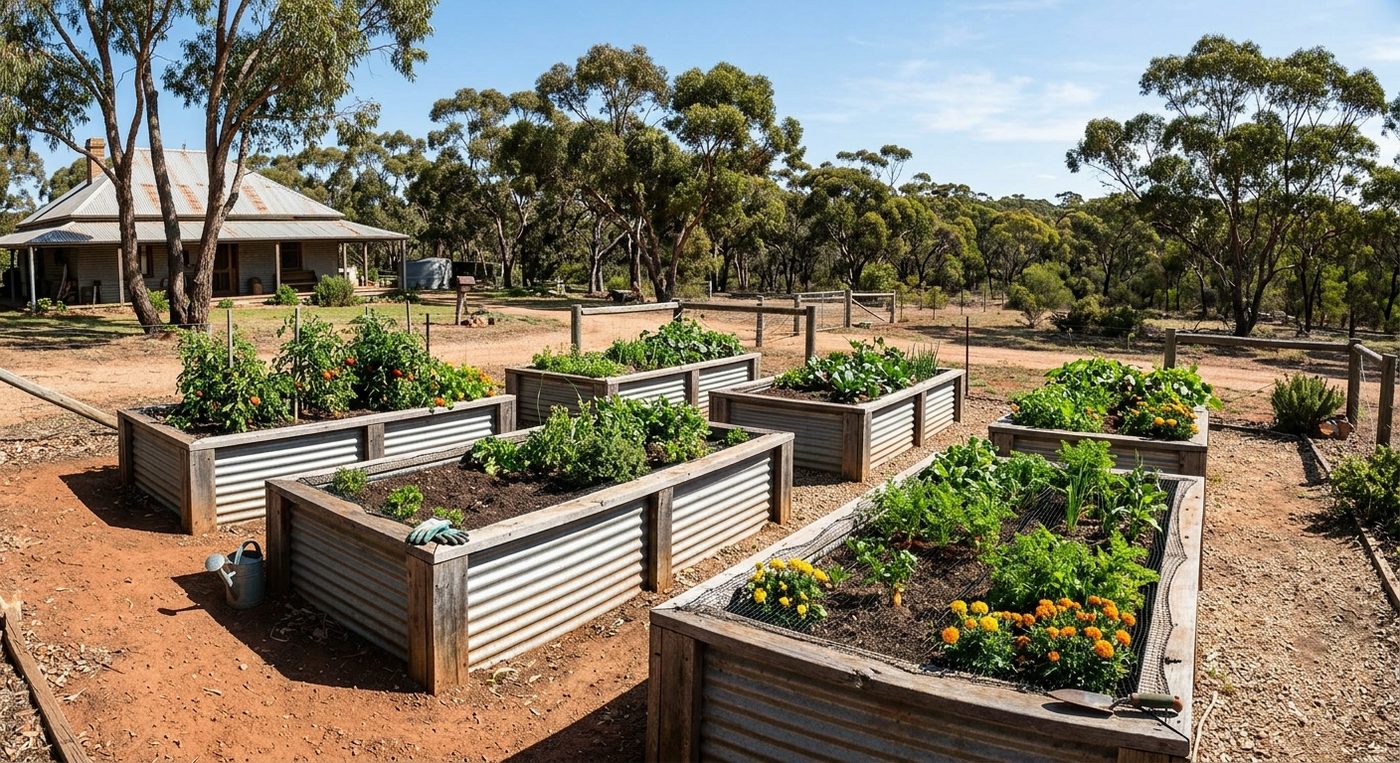
Cost: $50-$150 AUDConstructing elevated beds filled with layered organic materials instead of tilling the native soil.
Advantages: Warmer soil, better drainage, reduced weeding, and ideal for uneven terrain.
Cost: $100-$300 AUDRecommended Product: FSC-Certified Timber for Raised Beds (Affiliate Link)
The "lasagna" method but applied directly over existing soil or lawn (no raised bed needed).
Perfect for: Converting lawns to gardens, regenerating compacted soil, or expanding garden space quickly.
Cost: $30-$100 AUD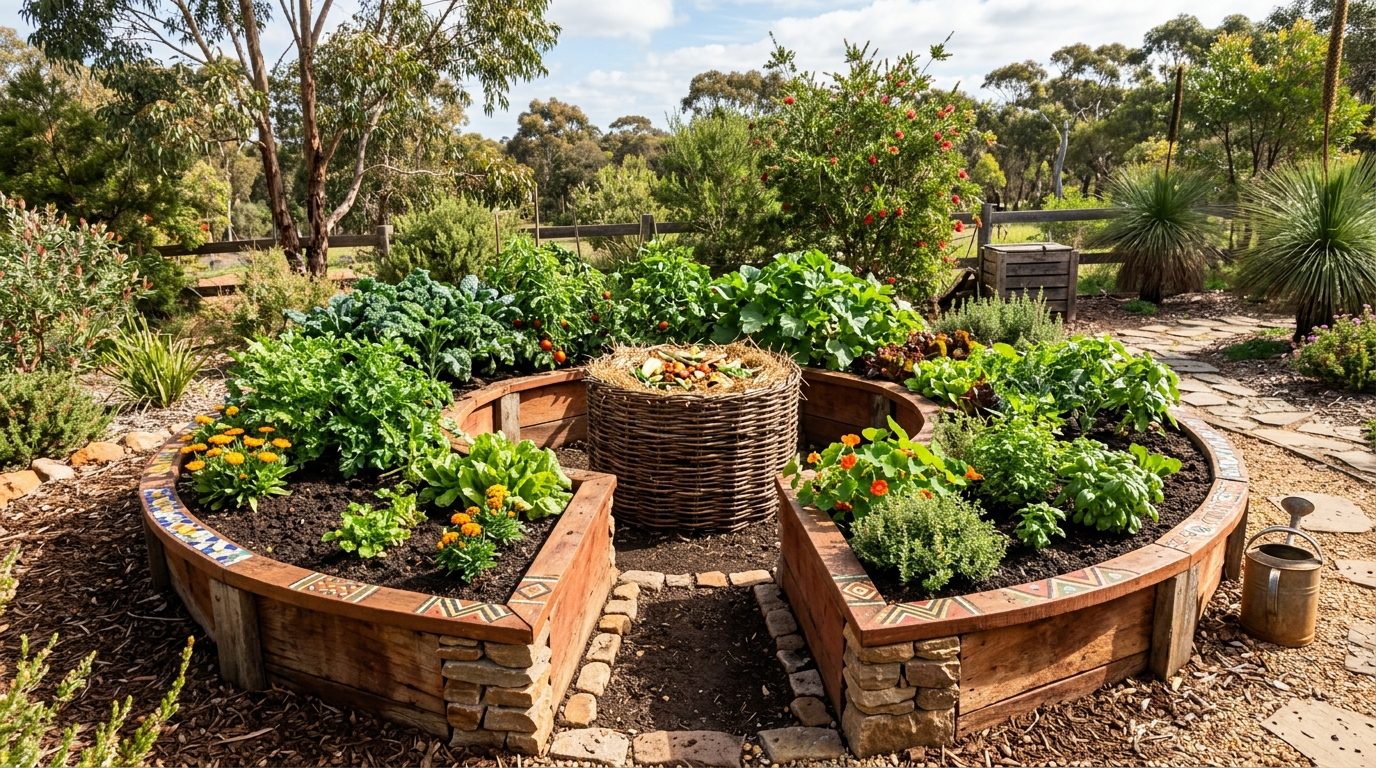
I hung up the fork and let the soil life do the heavy lifting. Worms, mycorrhizal fungi, and the bacterial mob colonise the litter and spin a web through the topsoil. They break organic matter down into a spongy, moisture-holding matrix that keeps the garden fed without me turning a single spadeful.
Test Your Soil: Use a DIY Soil Test Kit (Affiliate Link) to measure pH and organic matter before starting.
| Method | Initial Cost (AUD) | Annual Cost (AUD) | Long-Term Value |
|---|---|---|---|
| Traditional Tilling | $200-$500 | $150-$300 | High fuel, soil degradation, needs annual inputs |
| No-Dig (Lasagna/Raised Beds) | $100-$300 | $20-$50 | Self-sustaining, builds soil over time, zero fuel |
Breakdown of No-Dig Costs:
Once established, no-dig beds require minimal work:
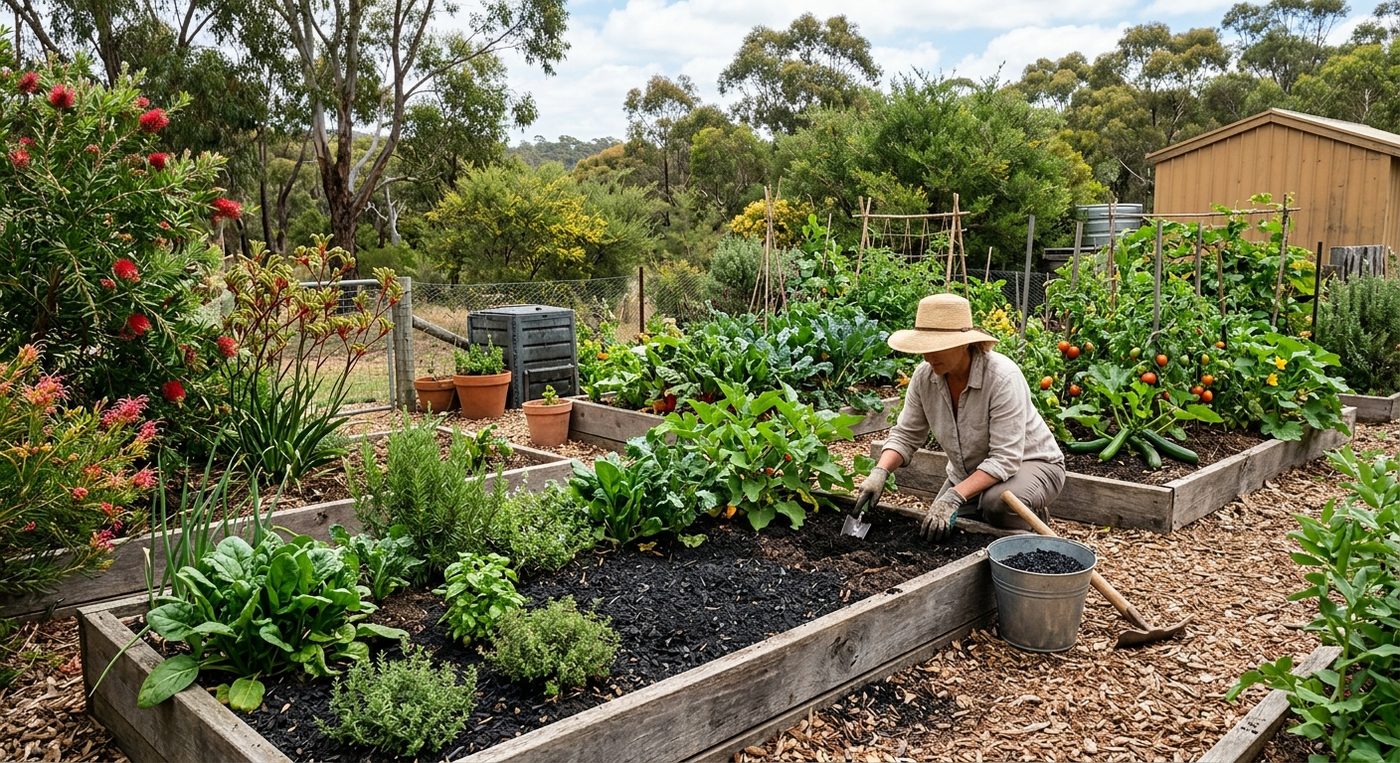
No-dig gardening cut my off-grid inputs to near nothing. I built the beds once—cardboard, straw, manure, whatever's rotting in the paddock—and the worms and fungi have been doing the digging since. I spend my mornings picking now, not loading the ute.
After 3‑5 years, my no‑dig beds are so fertile that I need only occasional compost inputs—making the garden a true off‑grid asset that keeps feeding the household without the constant fuss of a conventional vegie patch.
While many off-grid projects are achievable as DIY, certain situations require licensed professionals:
Always check local regulations and obtain necessary permits before commencing work.
Worth a watch: Reclaiming an Overgrown Garden (Off-Grid Life | No-Dig) · Natured Minds
It does on my place, and I've been running no-dig beds on my Dubbo block for a couple of years now. The trick is building the layers properly with straw, manure and good compost, then leaving it alone. Once the worms get into it, the soil underneath sorts itself out.
For me it is, mostly because my back can't handle a full day with a fork anymore. But the soil benefits too — turning destroys the fungal networks and brings fresh weed seeds to the surface. No-dig keeps the microbiology intact and the weeds stay buried.
I've had a few that didn't behave, usually because I rushed the build or the season went dry on me. The fix is usually just top-dressing with more compost and being patient through the next wet. I walk through the common failures in the 'When the Soil Won't Behave' section.
It depends what you've got on the property already — straw, old hay, manure, cardboard. Most of that costs nothing if you've got a friendly farmer or a stockfeed supplier nearby. I've put the actual dollar comparison for my block in the spending section so you can see what it ran me.