Rocket Mass Heaters for Off-Grid Australian Properties
The Ultimate Guide to Efficient, Sustainable Heating for Remote Homesteads
By Mick O'Brien· carpenter & builder · sheds-to-homes, cabins and things that stay up in a storm
“After losing a $2,000 timber cabin to a gale, I know a rocket mass heater must be anchored deeper than its own weight.”
Rocket Mass Heaters for Off-Grid Properties: A Builder's Field Notes
For Australian off-grid homesteaders facing harsh winters in highland regions or remote coastal properties, conventional heating solutions are often impractical. Rocket mass heaters (RMHs) offer a revolutionary alternative: 90%+ efficient, sustainable, and built from locally sourced materials. Unlike standard wood stoves, RMHs store heat in thermal mass (like stone or cob) for 12-24 hour radiant warmth, eliminating the need for constant tending. This guide covers everything you need to know to implement this life-changing technology on your property.
First Light: What Happens Inside a Rocket Mass Heater Before the Bench Warms
What sets a rocket mass heater apart is how it burns. The combustion principle pushes gases through a hot insulated burn chamber, then gives them a second burn before they reach the flue. You get more heat from less wood, and far less smoke out the top.
The Firebox: Workshop Trials and Errors
I tip the wood into a vertical, insulated firebox, 15–20cm across. Once it catches, the fire roars past 800°C, burns clean, and barely pushes a puff of smoke out the top.
How the J-tube and heat riser actually heat the shed
Hot gases run through a horizontal J-tube, pass the insulated chimney bit, then shoot up a vertical heat riser three to four times taller than the firebox. That drop creates a powerful draft pulling in oxygen for near-complete combustion, just like the shed I built last winter that survived the gale without the flue collapsing.
The Bench That Stays Warm at 3am
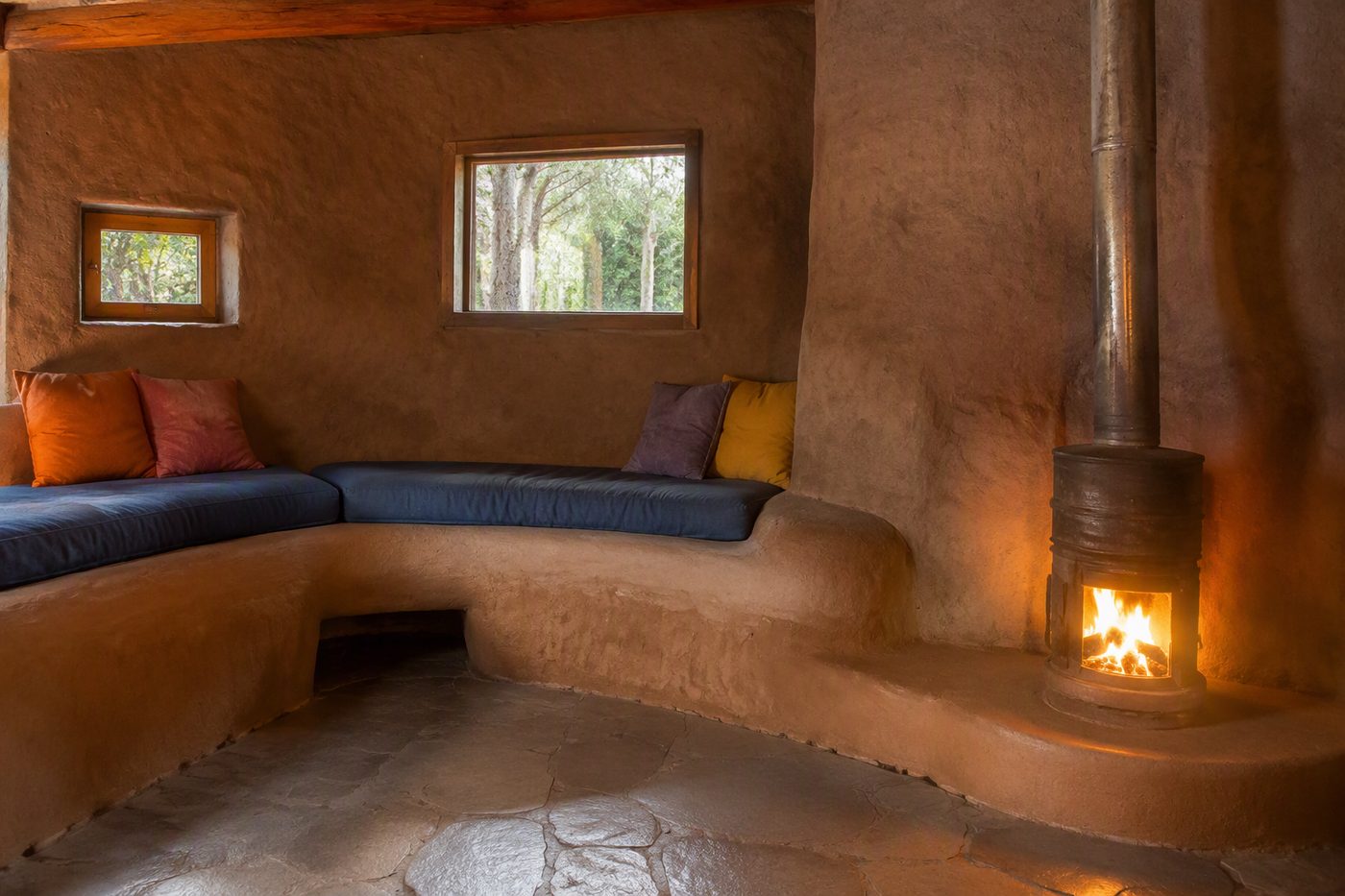
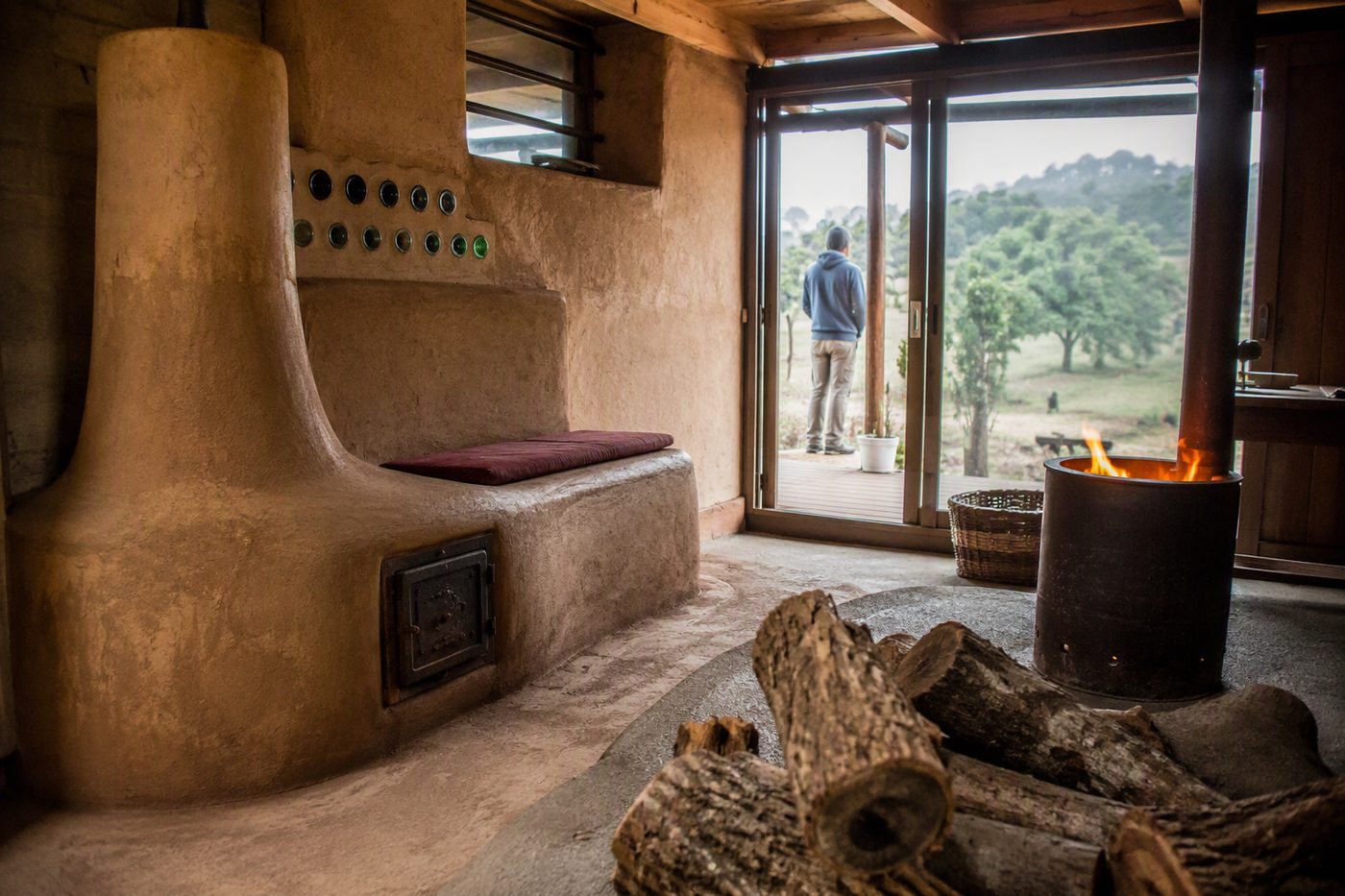
In my builds, the fire lifts the hot gases and they snake through a coiled tunnel—5 to 15 metres of it—buried in a slab of cob, stone or brick. That mass soaks up the heat, holds it, then bleeds it back out slowly over the next 12 to 24 hours.
Key Australian Advantage: The thermal mass (like locally quarried basalt or recycled bricks) provides consistent warmth even during cold nights, reducing wood consumption by 70% compared to conventional stoves.
DIY vs Pre-Built: What These Heaters Actually Cost on the Ground
My Shed's DIY Rocket Mass Heater: $1,200–$3,500 AUD Real-World Cost
Pros:
Maximises use of local materials (e.g., river rocks, clay, scrap metal)
Complete design control for Australian climate (e.g., adding extra insulation for alpine regions)
Builds valuable off-grid skills
Cons:
Requires 30-100+ hours of labour (best for experienced builders)
Risk of design flaws (e.g., insufficient draft, poor heat transfer)
Needs access to specific tools (angle grinder, level, trowel)
Australian DIY Resources:
Rocket Home Australia (Comprehensive build guides with Australian material lists)
Ready‑Made Rocket Mass Heater Units: $4,500–$12,000 AUD – A Builder's Take
Pros:
Guaranteed performance and safety (meets Australian standards)
Installation in 1-2 days (no DIY risk)
Often includes thermal mass (cob/stone) and chimney
Cons:
Significant upfront cost
Less customization for Australian microclimates
Australian Pre-Built Options:
Rocket Home Australia (Custom Builds) - From $5,200 AUD
Wood Fired Heaters Australia - $6,800-$9,500 AUD
Verdict for Australian Homesteaders: For first-time off-gridders, we recommend a pre-built unit from a specialist (e.g., Rocket Home Australia) to avoid costly mistakes. DIY is ideal for experienced builders with local material access.
Practical Fuels for Off-Grid Rocket Mass Heaters
Rocket mass heaters are designed for small-diameter, dry wood (10-20cm diameter, <50% moisture content). Avoid:
Green wood (causes creosote buildup)
Plastic, treated timber, or waste wood (toxic fumes)
Large logs (>20cm diameter) that smoulder
Fuel: What Actually Burns in an Aussie Rocket Mass Heater
Hardwoods: Eucalyptus (jarrah, ironbark), Tasmanian oak, or native wattles (best for high heat)
Softwoods: Pine or gum (burns faster, good for quick heat)
Alternative: Firewood from land clearing (check local council rules)
Australian Tip: Stack firewood 30cm off the ground in a dry, shaded area. Test moisture with a wood moisture meter ($25 AUD) – ideal moisture content is 15-20%.
The firewood and dollars a rocket mass heater actually saves off-grid
Rocket mass heaters are the most efficient wood-burning heaters available:
Heating System
Efficiency
Wood Consumption (per day)
Australian Cost Savings (Annual)
Standard Wood Stove
50-60%
5-8 kg
$800-$1,200 AUD
Rocket Mass Heater
85-95%
1.5-3 kg
$250-$450 AUD
Electric Heater
100% (but 300%+ energy loss)
N/A (uses 10-20 kWh/day)
$1,500-$2,500 AUD
Real Australian Example: A 200m² homestead in the Blue Mountains (NSW) reduced annual wood costs from $1,100 to $320 AUD after installing an RMH.
Rocket Mass Heater Install: The Checks I Run on Rural Aussie Properties
Proper installation is critical for safety and efficiency. Key steps:
Siting, Slab Prep, and Bushfire-Smart Clearances
Minimum 1m clearance from combustible walls/floors
Install on non-combustible base (concrete slab or stone)
Chimney must be >1m above roofline (check local council rules)
Sizing the Burn, Sizing the Bench, and Clearing the Bushfire Code
Alpine Regions: Add 30cm of extra insulation under thermal mass
Coastal Areas: Use stainless steel chimney (not black steel)
High Winds: Install chimney cap to prevent downdraft
Licensed Gas-Fitter and Builder: Who Actually Installs Your Rocket-Mass-Heater
While DIY is possible, Australian regulations require:
A certified chimney sweep inspection (12 months post-installation)
Compliance with AS 3959:2018 (Bushfire Attack Level standards)
Tip: Always hire a certified installer for your first RMH. Rocket Home Australia offers certified installation across NSW/VIC/QLD ($850 AUD flat fee).
What My Rocket Mass Heater Builds Cost in Australia (2026)
How I Build a Rocket Mass Heater from Scratch
Item
Cost (AUD)
Firebox (stainless steel)
$350
Insulation (volcanic rock wool)
$180
Thermal mass (cob/stone)
$400 (local materials)
Chimney pipe & cap
$220
Total
$1,150 - $1,500
My Pre‑Assembled Rocket Mass Heater – Full System for Off‑Grid Australian Cabins
Item
Cost (AUD)
Basic Model (20m² coverage)
$5,200
Medium Model (40m² coverage)
$7,800
Luxury Model (60m² + custom thermal mass)
$10,500
Installation (Optional)
$850
When I Bring In a Licensed Gas Fitter
While many off-grid projects are achievable as DIY, certain situations require licensed professionals:
Electrical work beyond basic 12V DC additions — requires a licensed electrician
Structural modifications to buildings or load-bearing elements
Gas line installation or modification
Solar array installations above safe voltage thresholds
Any work that affects the structural integrity of your property
Always check local regulations and obtain necessary permits before commencing work.
⚠️ SAFETY WARNING: Working with electrical systems, structural modifications, or gas installations carries inherent risks. If you are not confident in your abilities, always engage a licensed professional.
It gives you a straight‑up three‑year look at how the heater actually performs—wood consumption, heat output, and the cleaning quirks you’ll need to plan for on an off‑grid block.— Mick O'Brien
Frequently asked questions
How does a rocket mass heater actually work?
It burns small-diameter wood in a sealed, high-temperature combustion chamber, then routes the hot gases through a long thermal mass bench before they exit the flue. That bench — usually cob, brick or stone — soaks up the heat and keeps radiating it for hours after the fire's out. It's a completely different animal to a potbelly or conventional slow combustion, and the difference shows up in how little fuel it chews through.
Can I build a rocket mass heater myself, or do I need a builder?
If you're handy with a shovel and can follow a plan, a basic build is well within reach on a rural property. I've worked alongside owners who did most of the cob work themselves and just called me in for the combustion chamber and flue. The real trick isn't the bench — it's getting the rocket burn right so the system actually performs the way it should.
How long does a rocket mass heater last?
Built properly with the right materials, it'll still be standing in fifty years. The bench is essentially masonry, and the combustion chamber takes the worst of the heat but is replaceable down the track if it ever fails. I treat them like any other piece of permanent infrastructure on a property — you build it once, you maintain it, and it outlasts most of the gear in the shed.
Do I need a licensed gas fitter to install a rocket mass heater?
For a straight wood-fired unit, no — there's no gas in the system at all. The moment you add a gas booster, a gas ignition component or any gas element to the design, that's when I bring in a licensed gas fitter. State rules differ across Australia, so it's worth checking with your local authority before you lock in a design.