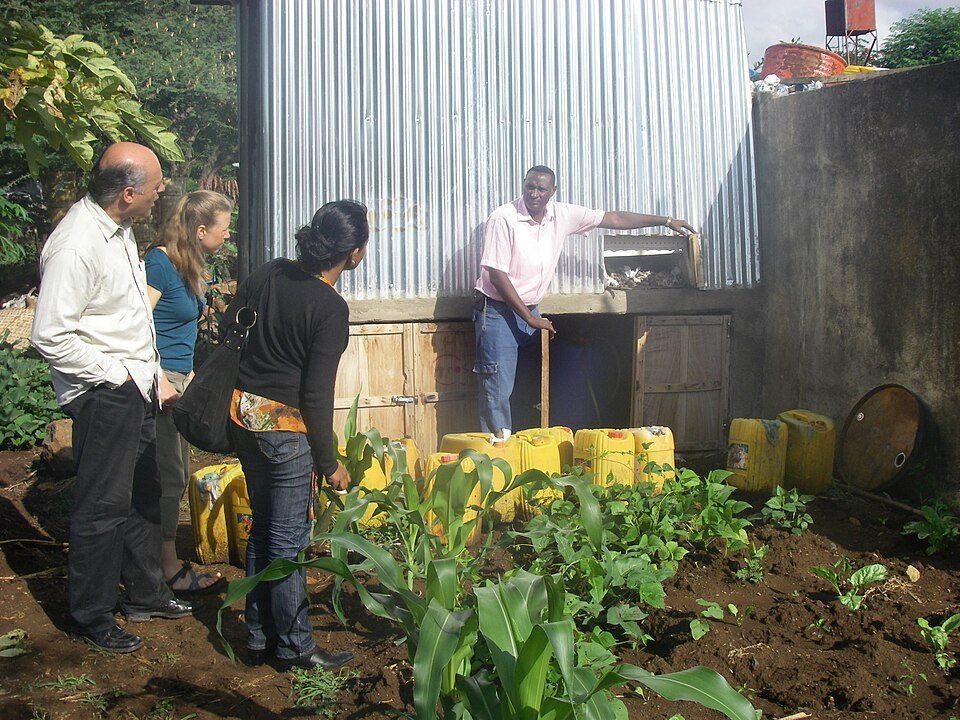
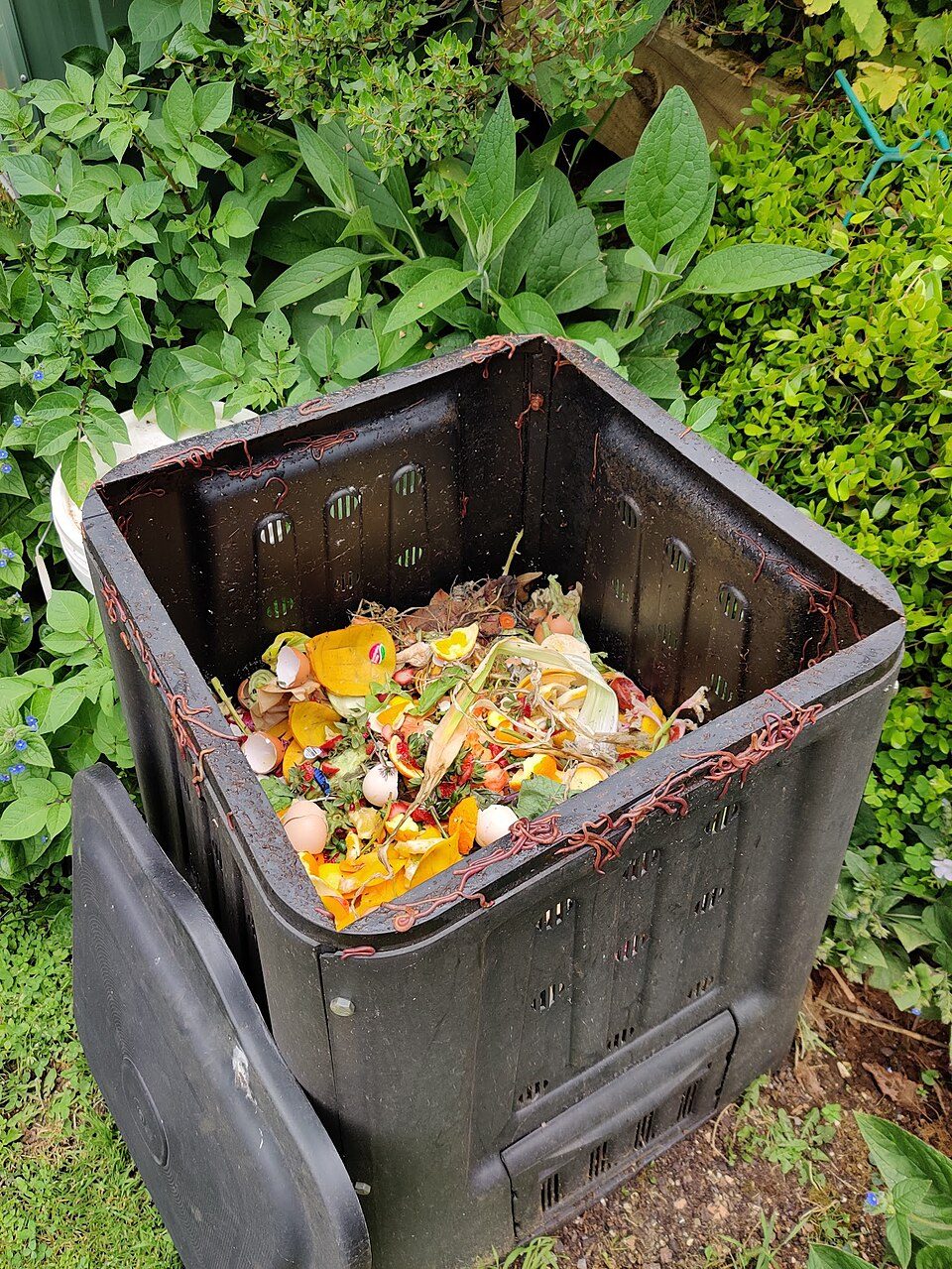
Forget fancy hydroponics. A keyhole garden is the simplest, cheapest way to grow serious food off-grid in Australia. No electricity, no water bills, just dirt and guts. Here's how to build one that actually works in our climate.
Design: Keep It Simple, Stupid
Size: 1.5m diameter (2m max). Bigger = more work, smaller = less food. Build it in a sunny spot (6+ hours sun). Avoid frost pockets.
Materials (all Aussie-friendly):
Bricks or recycled timber (150-200 bricks @ $0.50-$1 each from Bunnings/Builders' Yard)
Chicken wire (1m x 1m, $5-$8 at Petstock or hardware stores)
Old tyres (free from mechanics, but check for rubber smell)
Chicken wire (for the core, $5-$8)
Cardboard (free from supermarkets)
Steps:
Mark a 1.5m circle on the ground
Build a 30cm-high wall with bricks/timber (don't seal the base - roots need to breathe)
Line the inside wall with chicken wire (prevents soil washout)
Place a 30cm-diameter hole in the centre (the "keyhole" for access)
Fill the core with cardboard, then food scraps (see composting core below)
Composting Core: The Engine Room
This isn't optional. It's the heart. Without it, your garden dies in 3 weeks.
Build the core like a chimney:
Place a 30cm-diameter PVC pipe (or old bucket) in the centre hole
Line it with chicken wire (so soil doesn't fall in)
Fill with: 50% green waste (kitchen scraps, lawn clippings), 50% brown waste (dry leaves, cardboard)
Top with 10cm of soil
Feed it weekly: 1 cup of kitchen scraps (no meat/dairy). Water it like a normal garden. In 4-6 weeks, it'll be hot and smelly - that's good. If it's cold and wet, add more brown waste.
Planting: What Actually Grows Here
Forget lettuce in summer. Plant for survival:
Perennials: Silverbeet (20% of garden), kale, lemongrass (survives drought)
Roots: Sweet potato (in raised beds), carrots (only in cool months)
Legumes: Beans (drought-tolerant varieties like 'Tall Telephone')
Herbs: Mint, rosemary (plant in pots - they'll take over)
Plant in a spiral pattern around the core. Keep plants 30cm apart. No mulch? You're doing it wrong. Use straw or dry leaves ($10-$15 for 50kg at garden centres).
Blunt tip: Don't plant in winter. Wait until soil is warm (late September). Planting in cold soil = dead plants. We've all been there. Don't be that guy.
Australian suppliers (2023 prices):
- Bricks: Bunnings $0.50-$0.80 each (150 bricks = $75-$120)
- Chicken wire: Bunnings $5.95 for 1m x 1m roll
- Cardboard: Free from Coles/Woolies (ask for "free packaging")
- Straw mulch: Garden centres $12-$15 for 50kg bag
Why This Works in Australia
Our soil is often crap. Keyhole gardens fix that by building soil from the inside out. The compost core keeps moisture in during droughts. The spiral design means you never step on the soil (no compaction). It's not fancy - it's just food that grows when you need it.
Build one. Plant it. Eat it. No excuses. Your off-grid life starts with a keyhole garden. Not a $200 solar pump. Get dirty.
⚠️ SAFETY WARNING: Working with electrical systems, structural modifications, or gas installations carries inherent risks. If you are not confident in your abilities, always engage a licensed professional.
In the video, Anne walks through building a no‑dig garden bed with layered compost and straw mulch, which translates straight to setting up a keyhole garden’s compost basket and keeping moisture where you want it.— Mick O'Brien
When to Call a Professional
While many off-grid projects are achievable as DIY, certain situations require licensed professionals:
Electrical work beyond basic 12V DC additions — requires a licensed electrician
Structural modifications to buildings or load-bearing elements
Gas line installation or modification
Solar array installations above safe voltage thresholds
Any work that affects the structural integrity of your property
Always check local regulations and obtain necessary permits before commencing work.