
By Jenny Mills · rural nurse & homesteader · health, safety, law and the paperwork of going bush
“After three failed attempts to teach fractions during harvest, I learned that farm work always dictates our school day, never the other way around.”
Running lessons alongside chooks, a veggie patch, and whatever the season throws at us means the routine shifts week to week. I keep the book work to the cool hours, get the animal jobs done by mid-morning, then pick the reading back up when the shade returns. The rhythm bends, but it doesn't break.
By Jenny Mills · rural nurse & homesteader · health, safety, law and the paperwork of going bush
“After three failed attempts to teach fractions during harvest, I learned that farm work always dictates our school day, never the other way around.”
I run a homestead and homeschool my kids off-grid. Lessons slot around the farm chores, not the other way around, and I built a budget-friendly routine that keeps us from burning out.
That January, when the mercury hit 43°C three days running and the kids wilted at the school table, I learnt what matters on a homestead. Hands-on learning and keeping the family working as a unit aren't aspirations; they're the only way the day holds together. My carefully written lesson plan dissolved by mid-morning, and I burnt $42.50 on craft supplies that were about as useful as a screen door on a dunny in that heat.
| Task | Frequency | Time Required |
|---|---|---|
| Review homestead calendar | Weekly (Sunday) | 15 minutes |
| Adjust lesson themes | Monthly | 30 minutes |
| Update resource kit | Quarterly | 1 hour |
| Family rhythm check-in | Bi-monthly | 20 minutes |
Focus on free/low-cost resources. Realistic AUD ranges for essential tools:
Tip: Barter with nearby homesteaders (e.g., trade gardening skills for art supplies).
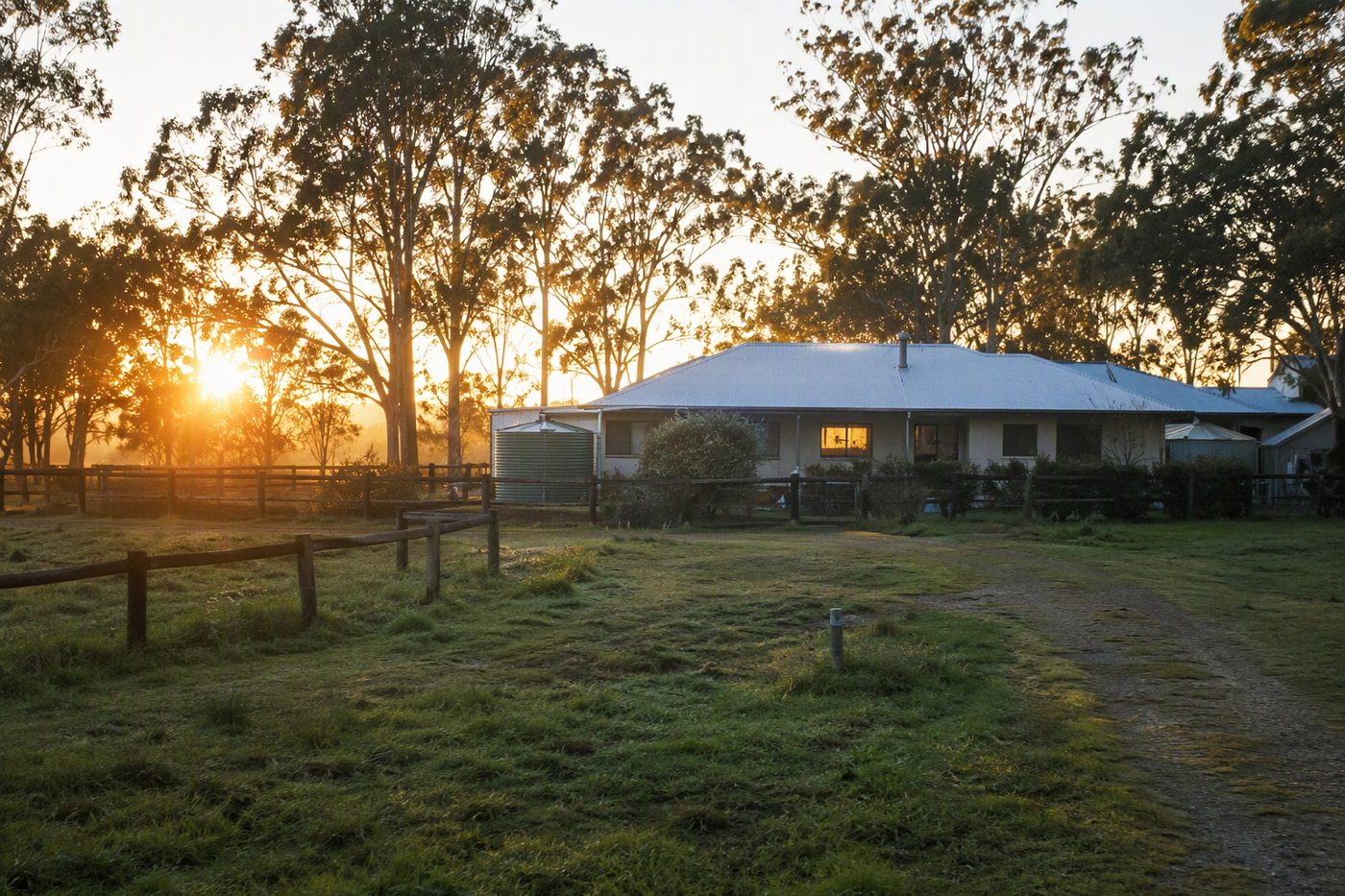
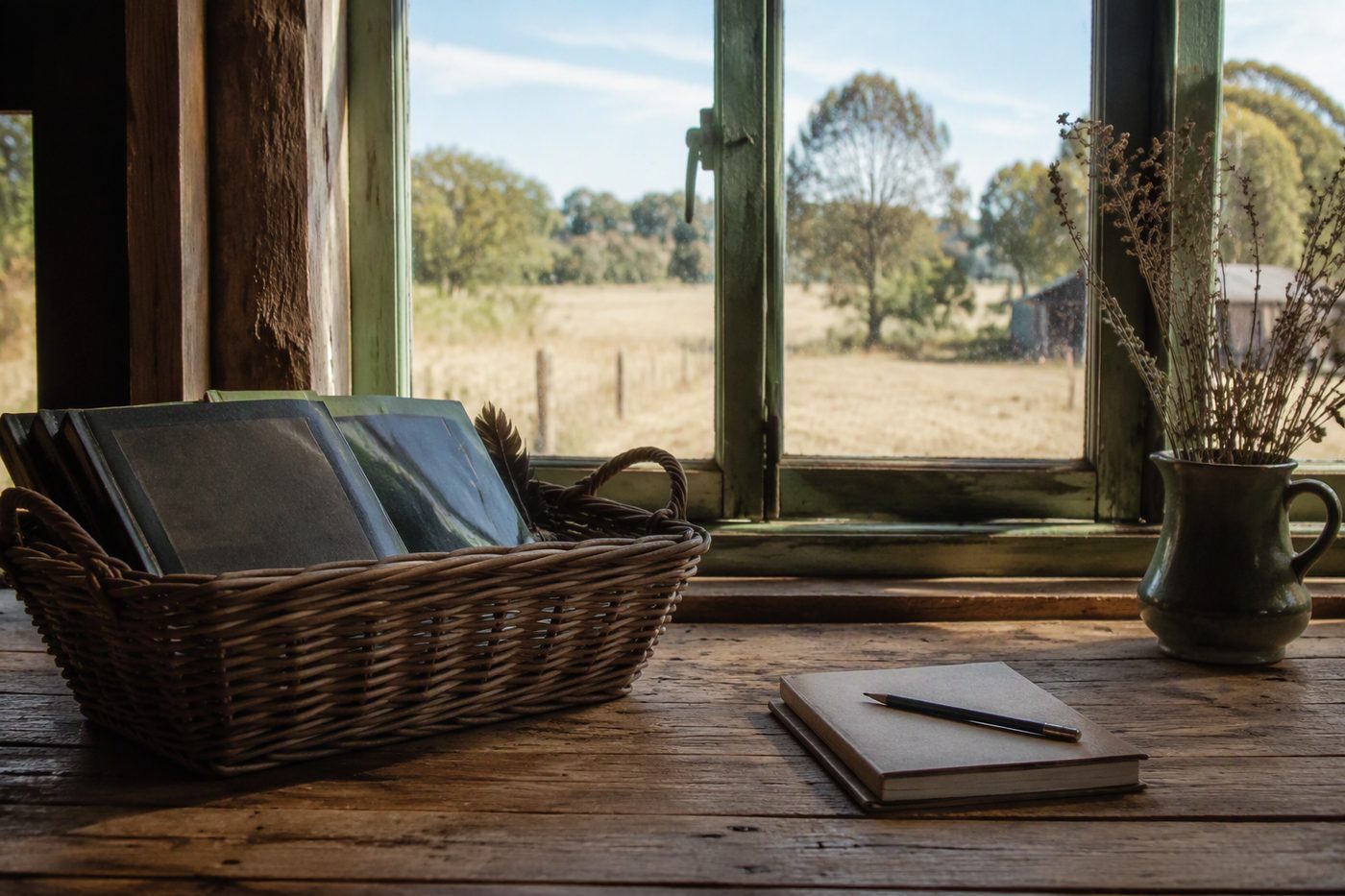
Tools that support your rhythm without breaking the budget:
I tie lessons to chores. The kids count eggs as we collect them (math), calculate feed amounts (measurement), or research animal breeds (science).
Every morning opens with ten minutes of interest-led hunting. On the science walk I'll send the kids sprinting to the dam to spot three insects before we turn for home. No reading groups, no worksheets, no desks. The curiosity itch gets scratched early, and the formal lessons slot in afterwards without the usual classroom standoff.
My week runs on library books, a stiff walk through the bush, and yarns by the fire after dark. Screens aren't essential. Plenty of remote families I know - ours included - manage fine without them.
I set aside 2–3 hours total (including chores) and split the time into 30‑minute blocks – 10 minutes reading, 20 minutes on a garden project. Quality over quantity.
I check my state’s regulations first—NSW, for instance, requires an annual assessment. After that, I treat the Australian Curriculum as a flexible guide, not a rigid timetable.
A New South Wales heatwave turned a forty‑dollar box of supplies into smoke, and that was the real lesson: a homeschool rhythm has to match the land, not the lesson plan. I cut our sessions to short, farm‑paced blocks, watched when the kids actually engaged instead of when I expected them to, and started treating the homestead as the classroom—sheds, fences, chook runs and all.
Disclaimer: This guide is for informational purposes only. Consult your state's education department (e.g., NSW Education Standards Authority) for legal requirements. Off-Grid Master is not a legal or educational advisor. Always prioritise child safety during hands-on activities.
Worth a watch: Getting It All Done on the Homestead | Large Homeschooling Family · The From Scratch Farmhouse
Paperwork comes first on our block, before we touch a chook or head to the garden. Once the lessons are out of the way, the kids help with milking, veggie rounds, and whatever else the day brings. The routine shifts with the season, but school always comes before the farm work.
We start at the table while the house is still cool, knocking over the main lessons first thing. After that we're out the door for animal checks, garden rounds, and the jobs that can't wait. I plan the rhythm around the block, not the other way round.
It can be, especially once you're past the early years and you've got gear that lasts. Most of what we use is free online, swapped through local groups, or borrowed from the library. The real outlay is your time, and the occasional resource that earns its keep across more than one kid.
The stuff that gets used every single day and works across ages. I steer clear of fancy kits that look good in the catalogue but sit on the shelf gathering dust. Anything we spend money on has to earn its spot on the block, otherwise it's a waste.