
Heat Exchanger Sizing: Off-Grid Aussie Guide
Stop guessing. Get this wrong and your off-grid system either won't heat or costs you a fortune. Here's how to size it right.
Stop guessing. Get this wrong and your off-grid system either won't heat or costs you a fortune. Here's how to size it right.
Flow Rate: How Much Water's Moving?
Flow rate (L/min) is non-negotiable. Calculate it before you buy anything.
Formula: Flow (L/min) = (System Power kW × 1000) / (ΔT × 4.18)
Example: 3kW solar system, 15°C ΔT → (3000) / (15 × 4.18) = 47.8 L/min. Round up to 50 L/min.
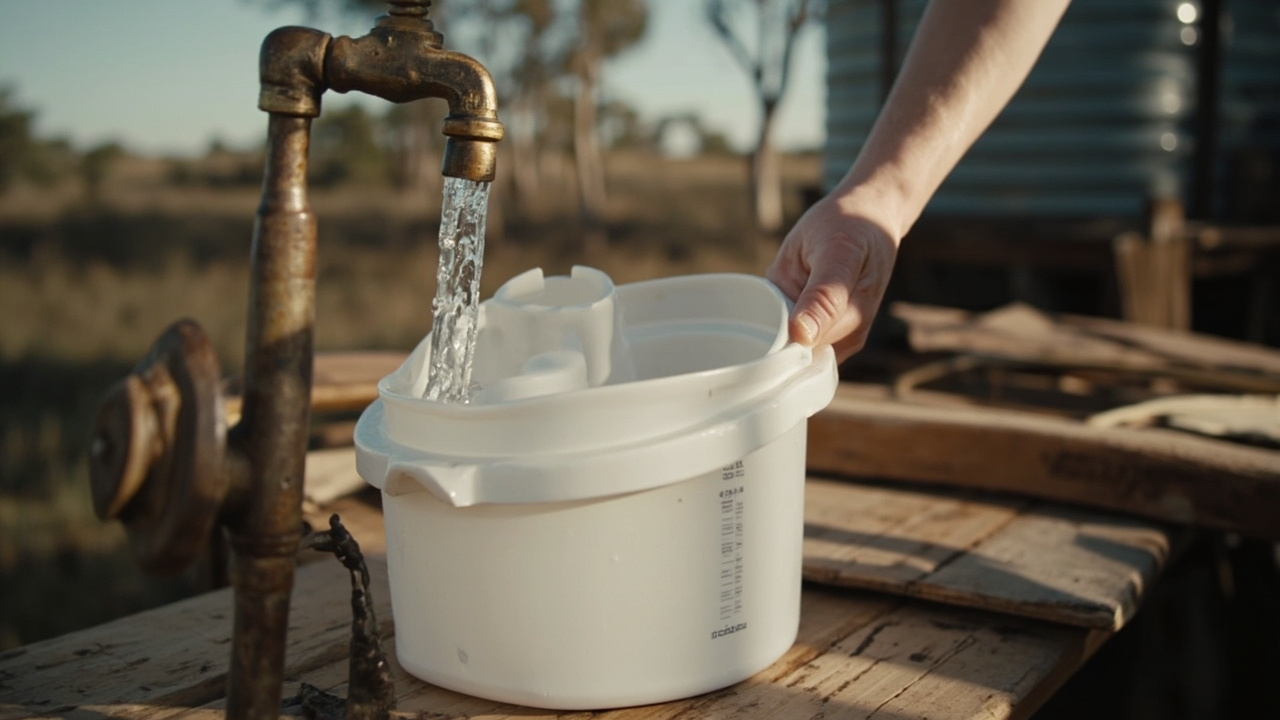
Practical tip: Don't estimate. Measure your actual flow with a bucket and stopwatch. If you're gravity-fed, you're already in trouble. Get a pump.
Temperature Differential (ΔT): The Real Deal
ΔT = Hot fluid temp – Cold water temp. This is where most Aussies blow it.
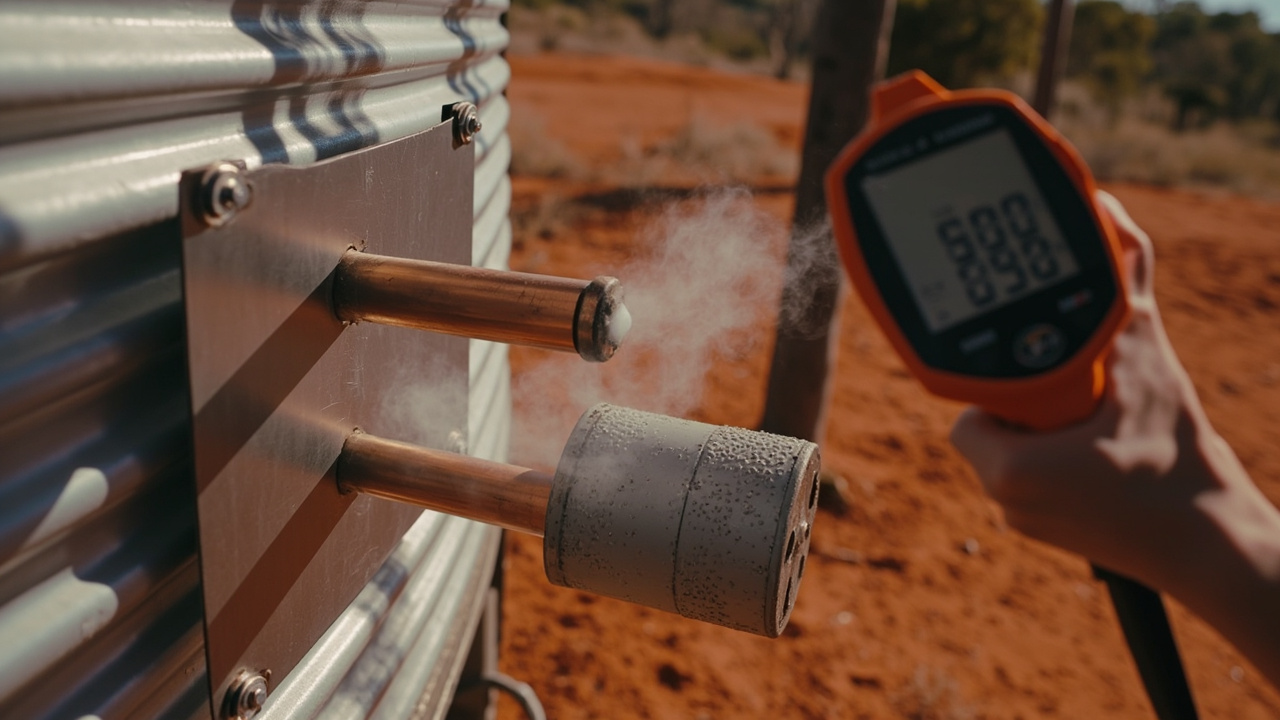
- ΔT < 5°C? Your exchanger is too big. Wasted cash.
- ΔT > 15°C? You'll get scaling, corrosion, and a dead system in 12 months.
For off-grid: Target 8–12°C ΔT. That's the sweet spot. If your solar fluid hits 80°C and your cold water is 20°C, ΔT=60°C – but you'll never run it that hot. Aim for 80°C → 30°C = 50°C ΔT? No. You need to design for actual operating conditions.
Putting It Together: The Math
Heat exchanger size (kW) = Flow (L/min) × ΔT × 0.069

Example: 50 L/min × 10°C ΔT × 0.069 = 34.5 kW. Get a 35kW+ exchanger.
Don't skip this step. If you're using glycol (common in cold snaps), multiply by 1.2. Glycol is lazy.
Australian Suppliers & Pricing (indicative prices)
Forget eBay car radiators. They're a $50 gamble that costs $500 in repairs. Here's what actually works:
| Supplier | Product | Price (AUD) |
|---|---|---|
| Heat Exchanger Specialists | Plate exchanger (30kW) | $1,100–$1,600 |
| PlumbPac | Compact plate (25kW) | $950–$1,350 |
| Thermosolar | Custom plate (40kW) | $1,900–$2,700 |
| Online (e.g., eBay) | Used car radiator | $50–$150 |
Practical Tips (No Fluff)
- Size for worst case, not average. If your solar gets 100% sun for 2 hours, size for that peak. Not the 30% average.
- Insulate pipes. A 10m run without insulation loses 50% of heat. Wrap it in 25mm foam. $20 worth of foam saves $500 in energy.
- Check your fluid. If you're using glycol (e.g., in Tasmania or the Snowy Mountains), add 20% to your size. Glycol = slower heat transfer.
- Get a local plumber who does solar. They'll charge $100 for a 10-minute call and save you $1,000. Don't DIY this.
- Test before you commit. If possible, run a 24-hour test with your actual flow and ΔT before buying.
Final Word
Sizing heat exchangers isn't rocket science. It's basic maths and Australian pragmatism. Get it right, and your off-grid system runs like a dream. Get it wrong, and you're stuck with cold showers and a $2k bill. Don't be that bloke.
Worth a watch: Is Geothermal Heating & Cooling Worth It? · The Challenged One
Disclosure: some links in this article are affiliate links. If you buy through them we may earn a small commission at no extra cost to you.