Ground Mount vs Roof Mount Solar: Which Is Best for Off-Grid?
The first call you make wiring an off-grid rig in central QLD is where to bolt the panels down. This guide compares ground mount and roof mount systems for Australian off-grid applications to help you pick the right setup for your property.

By Dave Miller · off-grid sparky · 22 years wiring solar, batteries and sheds in central QLD
“After watching a roof-mounted array snap off in a central QLD squall, I learned that ground mounts cost an extra $2,000 but save you from losing your whole system to a wind gust.”
The Basics: Mounting Options Explained
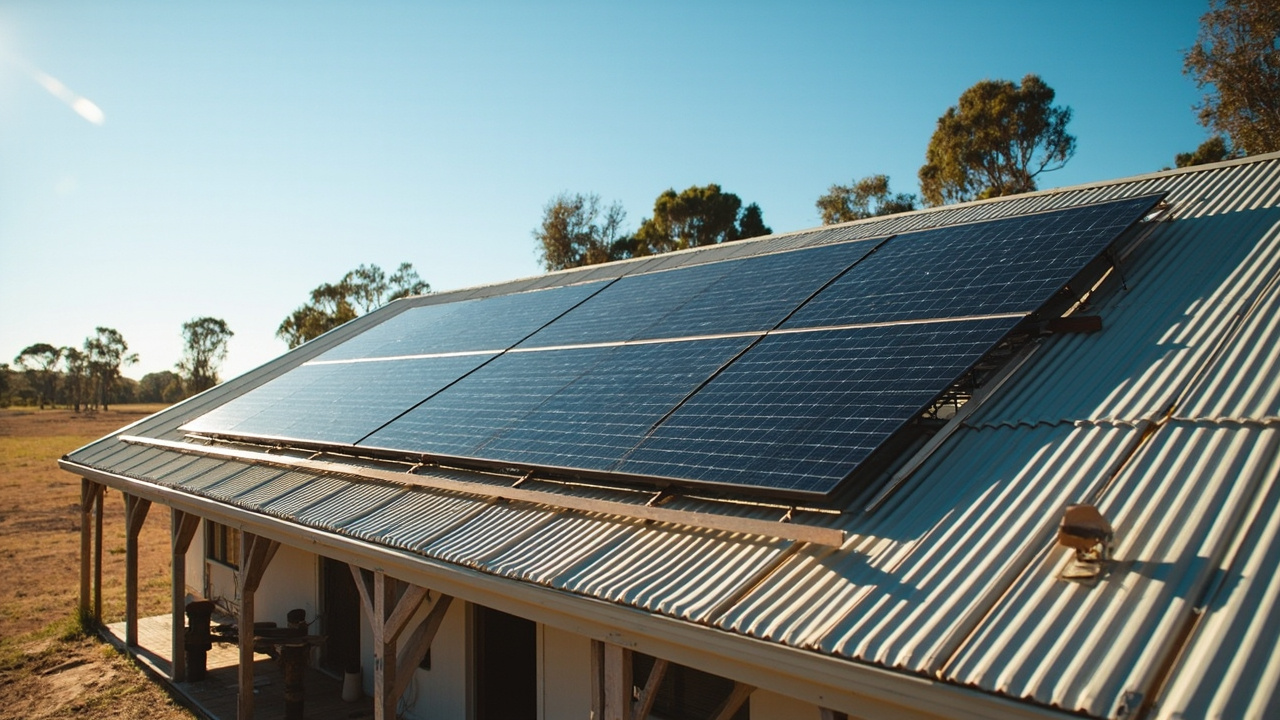
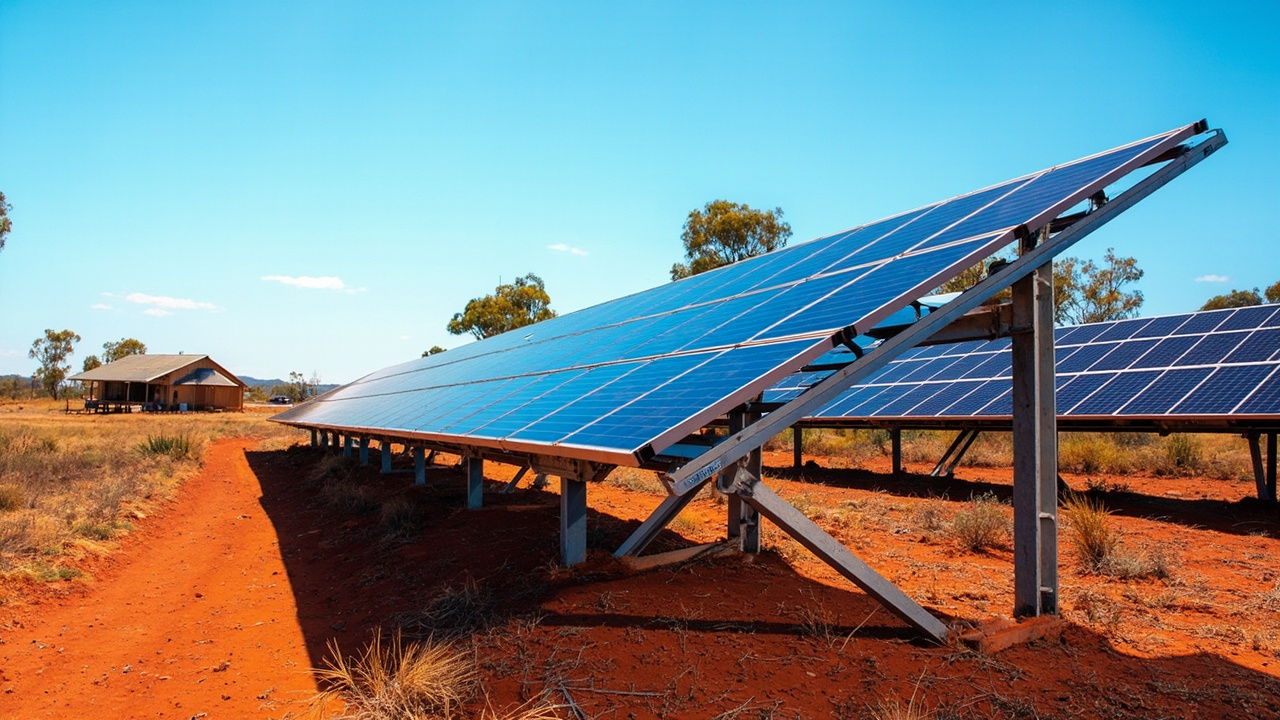
Roof mount systems bolt the panels straight onto the roof structure of your house, cabin or shed. Ground mount systems fix the panels to racks anchored into the dirt, usually sitting out in an open patch of your property.
Every setup brings its own headaches and savings. Your call on ground versus roof dictates the upfront bill, how much power you actually get, how often you're climbing a ladder or washing panels, and what happens if you move house. I've spent twenty-two years wiring solar, batteries and sheds in central QLD, and I know that getting this wrong costs you cash.
Comparison Overview
| Factor | Roof Mount | Ground Mount |
|---|---|---|
| Installation Cost | Lower (uses existing structure) | Higher (requires foundation/racking) |
| Land Use | None (uses unused roof space) | Requires dedicated ground area |
| Tilt/Orientation | Limited by roof design | Fully adjustable for optimal angles |
| Cooling/Airflow | Limited (panels run hotter) | Excellent (better efficiency) |
| Cleaning/Maintenance | More difficult, requires ladder | Easy access at ground level |
| Shading Control | Harder to manage | Easier to optimize placement |
| Expandability | Limited by roof size | Easy to add more panels |
| Security | Harder to access/theft-resistant | Easier access, needs security |
When Roof Mount Makes Sense
Limited Land Availability
If your block is tight, choked with scrub, or dedicated to cropping, roof mounting is the only play to keep your ground free. I've seen dozens of sheds in Central Queensland starve because the owner buried panels in the paddock, wasting the only flat earth they had for crops. Urban and suburban off-grid setups in this state particularly benefit from shoving arrays on the roof, tapping into space that otherwise gathers dust and leaves.
Budget Constraints
Roof mounts typically cost $0.50-$1.00 less per watt installed. The existing roof structure eliminates foundation, trenching, and ground racking expenses. For budget-conscious installations, this savings can fund additional panels or battery capacity.
Aesthetic Preferences
Some folk just don't want panels hanging over the fence line. Roof mounts keep them out of sight from the ground, keeping the place looking traditional, which suits the tight rules of most local HOAs down here in central QLD.
Existing Suitable Roof
If your roof is under ten years old, structurally sound and catching the sun, roof mounting leverages that existing asset. South-facing roofs with slopes between 15-40 degrees are ideal for most Australian latitudes.
When Ground Mount Is Superior
Optimal Orientation Control
Ground mounts let you dial in the exact tilt and azimuth for max production all year round, unlike fixed roof angles which rarely hit that optimal 30-35° tilt for most central QLD locations. Adjustable ground mounts can even change angles seasonally, boosting production 10-15%.
Performance Benefits
Ground mounts run 10-20°F cooler than roof mounts because of better airflow. Since panels lose 0.3-0.5% efficiency per degree above 25°C, this cooling can improve annual production by 5-8%.
Ease of Maintenance
Cleaning, snow removal, and inspections happen at ground level, so you don't need ladders, roof work, or safety harnesses. That convenience encourages regular maintenance, which keeps the system performing over decades.
Future Expansion
Ground mounts let you start small and grow without worrying about your roof structure, which suits off-grid homesteaders building systems incrementally as the budget allows.
Ground Mount Types for Off-Grid
- Standard Fixed Tilt: Simple, cost-effective – Most common option, panels mounted at fixed optimal angle. Best balance of cost and performance.
- Seasonally Adjustable: Manual angle changes 2-4 times yearly – Captures 10-15% more energy. Requires periodic adjustment but pays off in northern latitudes.
- Tracking Systems: Follows sun throughout day – 25-35% production boost. Higher cost and maintenance, best for large systems where land is cheap.
- Pole Mounts: Single or dual pole foundation – Elevates panels, useful in snowy areas or when ground clearance is needed. Easier snow shedding.
Roof Mount Considerations
Structural Assessment
Before bolting panels to your roof, check if it can actually handle the extra 2-4 pounds per square foot of solar gear plus snow loads, because older structures or those with damaged rafters often need reinforcement. I've seen sheds in central QLD collapse under the weight when the owner assumed the timber was sound, so consult a structural engineer if you're uncertain.
Roof Age and Condition
Fitting panels to a roof with less than 10 to 15 years of life left is a bloody mess. You'll end up paying to rip them off and put them back on when re-roofing kicks in, costing between $1,000 and $3,000. If your roof needs a replacement soon, get that done first before you touch the solar.
Shading Challenges
Roofs are riddled with shading from chimneys, vents, dormers, or nearby trees that you can't just walk away from. Even small shadows drag string performance down hard. Microinverters or power optimizers add cost but mitigate those shading losses.
Installation Complexity
Roof work means climbing in the Queensland heat, watching for rain, and cutting specialized flashing to stop leaks. I've seen DIY jobs fail hard, often worse than the risk of falling compared to ground mounting. If you aren't a licensed sparky, get a pro to do it.
Cost Comparison (2026 US Prices)
For a typical 5kW off-grid system:
- Roof Mount: $2.50-$3.50 per watt installed ($12,500-$17,500 total)
- Ground Mount (fixed): $3.00-$4.00 per watt installed ($15,000-$20,000 total)
- Ground Mount (adjustable): $3.50-$4.50 per watt installed ($17,500-$22,500 total)
The 20-30% premium for ground mounting pays for itself through easier maintenance, better cooling, and optimal orientation—often recovering costs through improved production within 5-7 years.
Hybrid Approach: Best of Both Worlds
Many off-grid properties benefit from combining both mounting types:
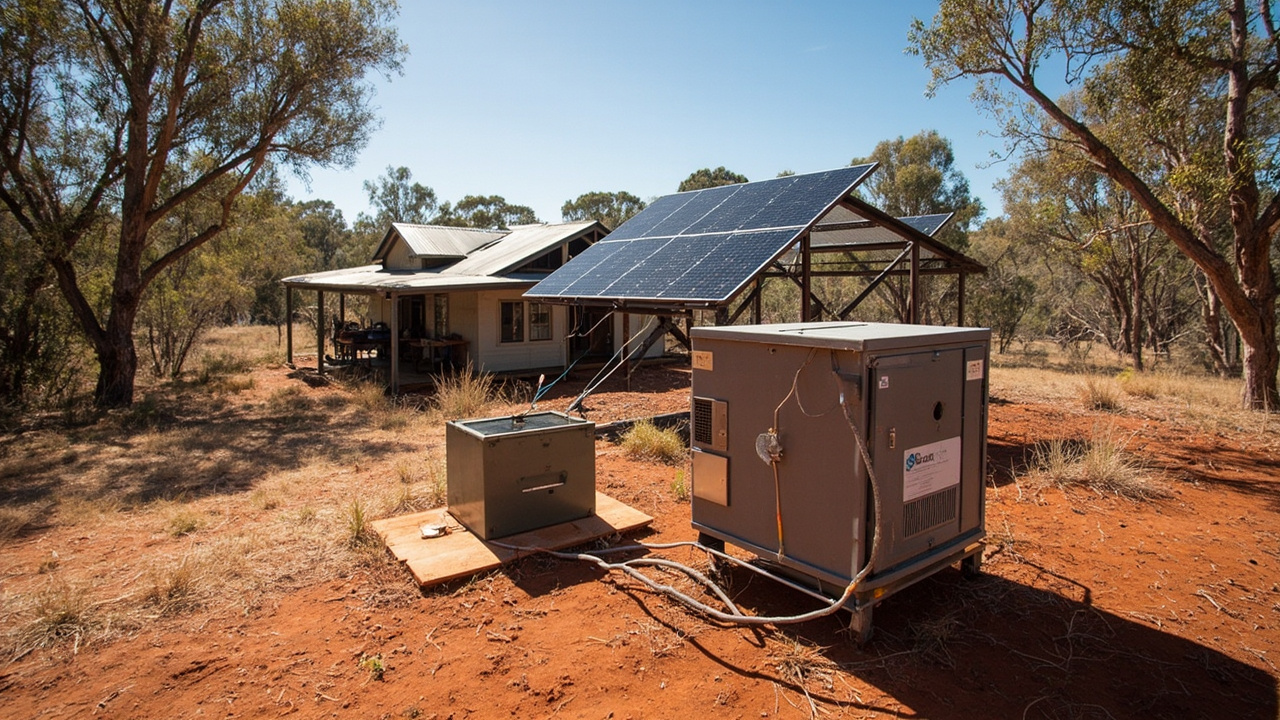
- Use roof mounts for the main array where space and budget allow
- Add ground-mounted panels in optimal locations for peak production
- Place seasonal-adjustable ground mounts for winter optimization
- Use pole mounts for specific loads like water pumping
This flexibility lets you optimize each part of your system for its specific purpose while balancing costs.
FAQ: Mounting Decisions
1. Can I install ground mounts myself?
DIY ground mounting is more feasible than roof mounting for skilled homeowners in central QLD, but you still need proper foundation work like concrete piers or ground screws. Those electrical connections have to meet local codes, no exceptions. I've seen too many folks tear up their sheds with shoddy structural work or blow up their inverters by skipping the electrical compliance. You should consider professional assistance for the structural and electrical bits if you aren't a qualified sparky.
2. How much space do ground mounts need?
Plan for panel dimensions plus 2-3 feet of access space around arrays. A 5kW system (approximately 15 panels) needs roughly 300-400 square feet. Allow for future expansion and equipment access.
3. Do ground mounts work in snowy areas?
Yes, and they often outperform roof mounts in snow. Ground mounts can be elevated and tilted for better snow shedding. Easy access makes snow removal possible if needed. Roof snow can slide dangerously and block production.
4. What about high winds?
Both mounting types have to stand up to local wind loads. Ground mounts need proper foundation engineering, while roof mounts rely on the building structure. In hurricane-prone areas, ground mounts may be easier to secure or temporarily remove.
5. Can I move ground-mounted panels later?
Ground mounts are the only kit you can actually move, even if it's a bloody job. I've spent twenty-two years wiring sheds and batteries in central QLD and I've seen plenty of roof racking ripped out and bent beyond repair when the property sold. Dragging a ground array across the yard is far easier than trying to strip a roof without breaking tiles. That flexibility adds value if you're planning a move or changing the farm layout.
Conclusion
For most off-grid properties in central QLD with available land, ground-mounted solar offers superior long-term performance, easier maintenance, and greater flexibility. The 20-30% cost premium is typically recovered through improved production and reduced maintenance challenges.
Roof mounting still works for tight blocks, when you're on a shoestring, or if you're sweating the looks, but check your specific site, what you plan to do next, and your ability to keep it clean before you commit.
Whichever option you choose, prioritize quality mounting hardware rated for your local weather conditions. Off-grid systems operate for decades—invest in infrastructure that lasts.
Worth a watch: Ground vs Roof Mount Solar Panels - Which Is Right For You? Planning Your DIY Solar Array Part 2 · Projects With Everyday Dave
Frequently asked questions
Should I put solar panels on the roof or on the ground for off-grid?
Depends on your block. If your roof faces the right way and is structurally sound, I usually push clients toward roof mount because it's the easy win. If the roof's shaded, too small, or you need a bigger array than it can carry, ground mount comes out ahead. The article's "When Roof Mount Makes Sense" and "When Ground Mount Is Superior" sections lay out the call.
Can I mix ground and roof solar panels on the same off-grid system?
Yep, I wire up hybrid systems all the time. The article has a whole section on that approach where a smaller roof array handles daytime loads and a ground array tops up the batteries. As long as your charge controller can handle the combined input, it works a treat.
Is ground mount solar harder to maintain than roof mount?
I've found ground systems are easier to get at for cleaning and wiring, but they cop more dust and leaf litter than roof panels. Roof panels usually get a free rinse from the rain, but you're climbing up there to check on them. The roof mount considerations section in the article covers what to watch for.
What types of ground mount solar are there for off-grid?
The article's ground mount types section runs through the main options. Fixed-tilt frames are the most common and cheapest, while adjustable and tracking mounts squeeze out more generation but cost more and need more upkeep. The choice usually comes down to budget and how hands-on you want to be with the system.
Disclosure: some links in this article are affiliate links. If you buy through them we may earn a small commission at no extra cost to you.