By Sarah Chen · environmental engineer · water, waste and everything that flows downhill
“I once lost an entire season's crop because I ignored the 400mm annual rainfall and assumed my flood irrigation would hold the soil.”
— Sarah. Every litre accounted for.
ArticlesCalculatorsSite PlannerShopFlood irrigation on Aussie off-grid farms uses 100mm pipes, border strips and check banks to spread stormwater without pumps or power. Sarah lost soil and crops by ignoring 400mm of rainfall that should have been channelled. Grade your strips correctly and bank the ends to keep water working.
Forget drip systems if you're off-grid and want to water big patches without pumps or power. Flood irrigation works. It's cheap, simple, and perfect for dry Australian soil. But do it wrong and you'll waste water and kill your crops. Here's how to do it right.
Forget drip systems if you're off-grid and want to water big patches without pumps or power. Flood irrigation works. It's cheap, simple, and perfect for dry Australian soil. But do it wrong and you'll waste water and kill your crops. Here's how to do it right.
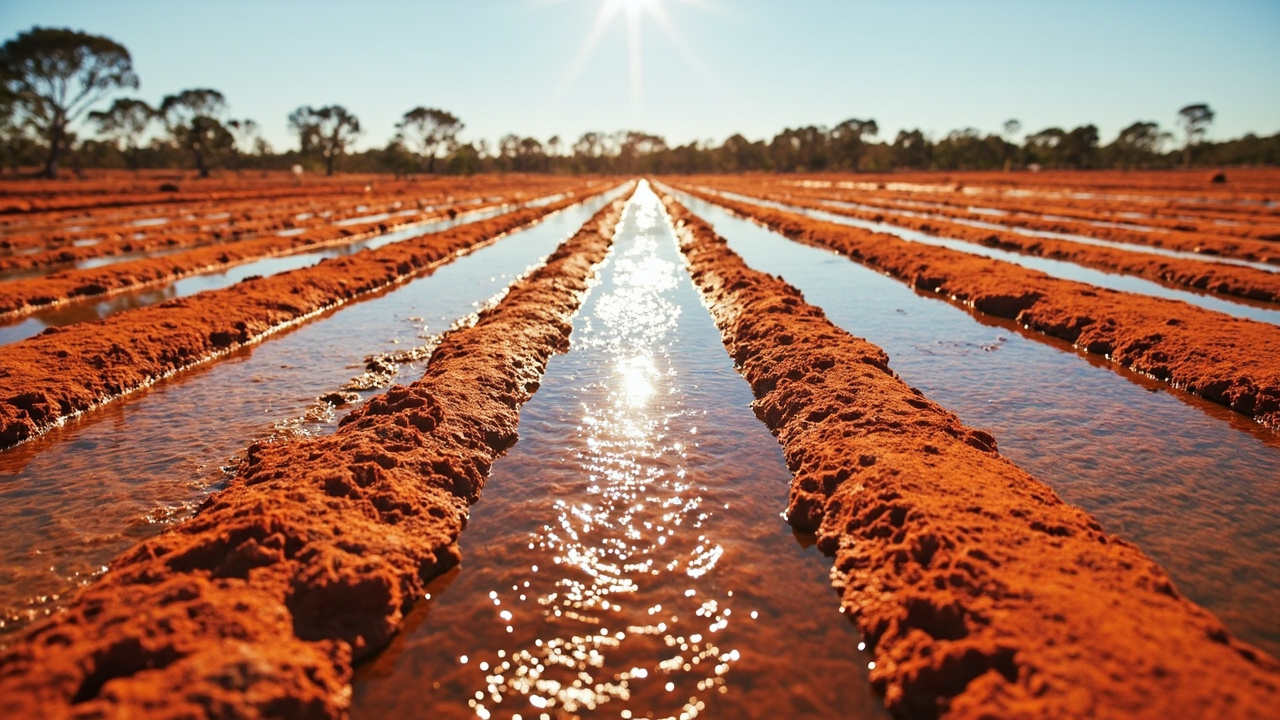
Divide your paddock into long, narrow strips (like rugby fields). Water flows down the middle of each strip, soaking the soil as it goes. Best for flat land (under 2% slope).
How to build: Use a shovel to make low ridges (15-20cm high) along the sides of each strip. Make the strips 10-20m wide and 50-100m long. Slope the strip 0.5-1% downhill so water flows evenly.
Pro tip: Use a laser level ($300-$500 from Bunnings) to get the slope perfect. Slope wrong and water pools in one end or runs off the other. Waste of time.
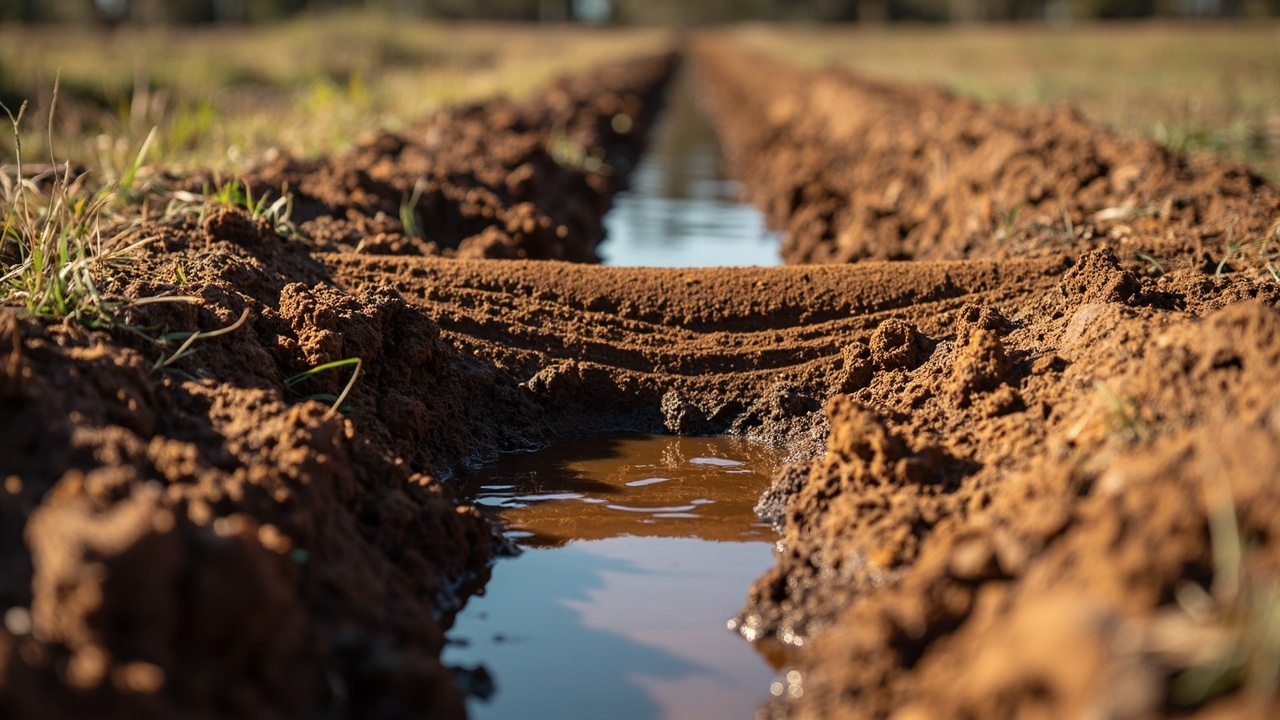
Check banks are little dams across your border strips. They hold water in sections so it soaks in properly instead of rushing away.
How to build: Every 10-15m along the strip, build a 10cm-high bank of soil. Break it with a shovel when you're done watering. No fancy tools needed.
Why it matters: Without check banks, water runs off in 10 minutes. With them, it soaks in for 30-60 minutes. Saves 40%+ water. Do this or don't bother.
Real talk: If your soil is clay-heavy (common in Australia), skip border strips. Clay holds water too well. Use check banks only on sandy soils. If you're unsure, dig a hole. If water sits for 2 hours, you're in clay. Go with furrow irrigation instead.
Flood irrigation isn't efficient by itself. But with these tweaks, it's better than you think.
No point buying fancy gear. You need dirt, not gadgets.
Bunnings sells basic shovels ($25-$40) and laser levels ($300-$500). Get the cheap one – it's fine for small blocks.
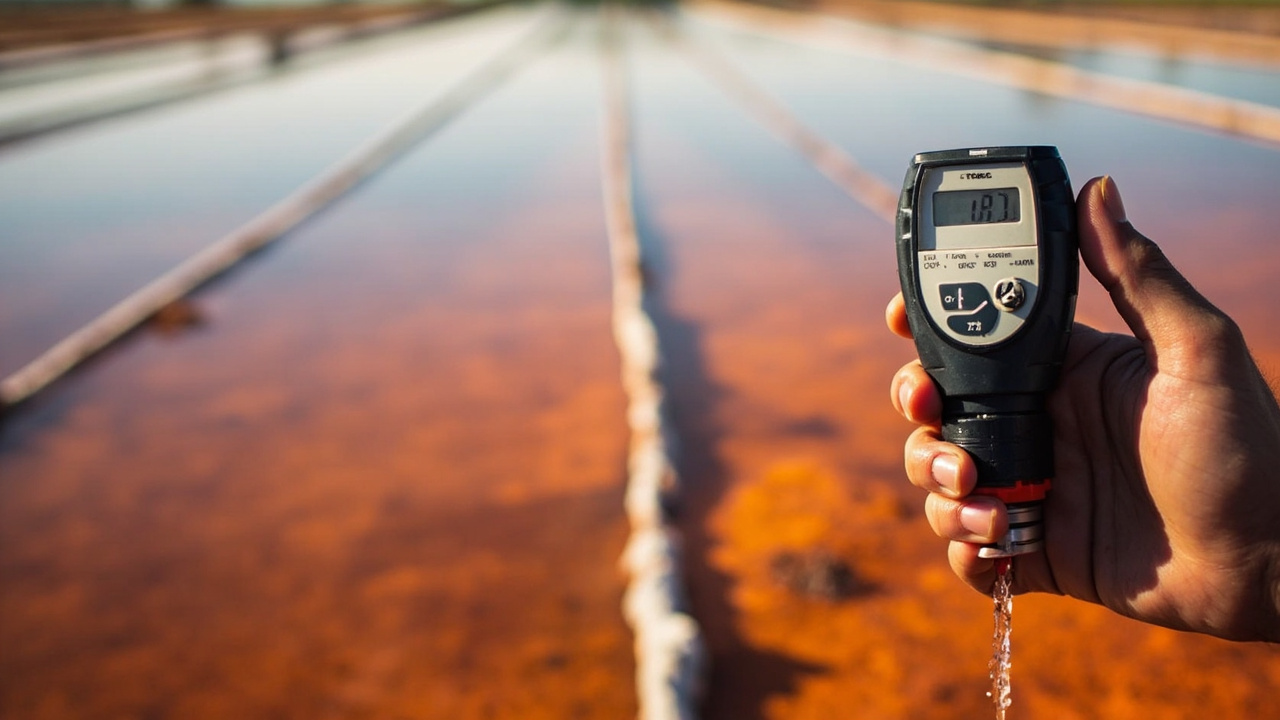
Rural Solutions (online) has soil probes ($45) to check moisture. Worth it if you're serious. Don't trust your finger alone.
Local hardware stores sell 50m rolls of agricultural plastic ($120) to line check banks. Saves you rebuilding them every time. Do it.
Note: Prices vary by state. Always call ahead. Bunnings stock changes daily.
Flood irrigation isn't fancy. It's for people who don't want to pay $2000 for a drip system and don't have power. It works on 90% of Aussie soil. Do the border strips right, add check banks, and stop wasting water. Your garden will thank you.
Stop overcomplicating it. Grab a shovel, make some ridges, and water. That's it.
While many off-grid projects are achievable as DIY, certain situations require licensed professionals:
Always check local regulations and obtain necessary permits before commencing work.
Worth a watch: How Gravity Irrigation Works · Andrew Millison