By Dave Miller · off-grid sparky · 22 years wiring solar, batteries and sheds in central QLD
“After losing three batteries to central QLD heat in year one, I learned 12V systems need shade, not just solar panels.”
By Dave Miller · off-grid sparky · 22 years wiring solar, batteries and sheds in central QLD
“After losing three batteries to central QLD heat in year one, I learned 12V systems need shade, not just solar panels.”
Stop paying for grid power. Stop losing a fridge of food to blackouts. A basic 3kW solar-battery setup costs $8,000–$12,000 after the rebate, runs your fridge, lights and water pump around the clock, and pays itself back in 5–7 years against a $1,500-a-year grid bill. Here's how to size it, monitor it and cut the waste — no eco-utopia detours.
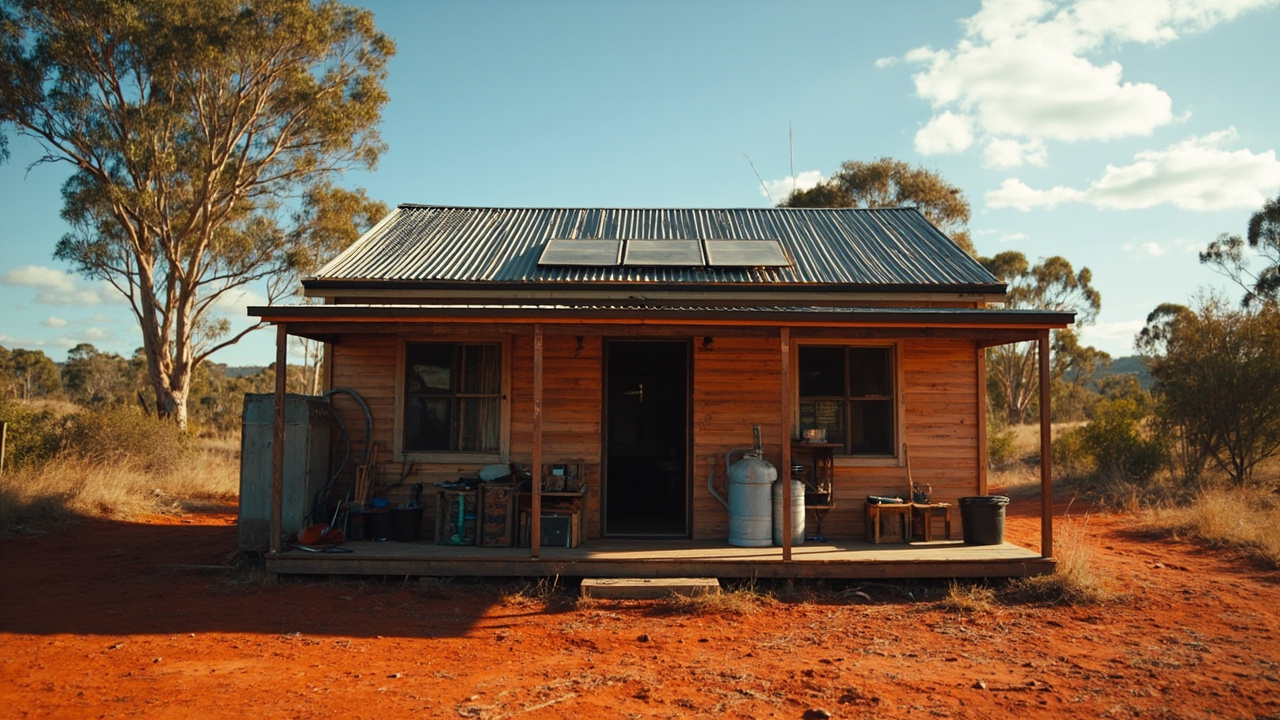
Going off-grid means your home runs on its own generation, storage, and backup — no retailer, no network, no safety net. In Central Queensland I've watched neighbours go through the same sizing exercise I did at Beecher: audit loads, size batteries with a buffer, oversize solar, keep a generator on standby. This article is the version of that process I'd hand to a mate who's serious about it.
In Australia, an off-grid home is completely disconnected from the electricity network. There is no retailer supplying backup energy and no DNSP to fall back on when the sun goes missing. You own the whole stack: solar, batteries, inverter/charger, charge controller, backup generator, and the load-management decisions that come with all of it.
A typical off-grid solar system includes PV panels, battery storage, an inverter/charger, and a charge controller. Most installations also pair a backup generator for extended low-solar periods and maintenance contingencies.
If your block already has grid reticulation running past the boundary, go price a second line before you commit. In rural Australia, installing a secondary grid connection can cost tens of thousands of dollars — and that figure alone often flips the cost equation toward off-grid. Without that cost driver, off-grid is usually a values or reliability decision, not a financial one.
The first decision is daily energy, the second is peak power, and the third is autonomy days. Most sizing guides split Australian households into three brackets:
| Property type | Battery capacity | Solar PV | Inverter |
|---|---|---|---|
| Tiny home, caravan, cabin | 5–14 kWh | 2–4 kW | 2–5 kW |
| Standard Australian home | 14–24 kWh | 5–9 kW | 5–8 kW |
| Acreage / multiple buildings | 30 kWh+ | 10 kW+ | 8–12 kW |
The average Australian house uses around 15–20 kWh per day, but most off-grid households trim consumption to under 10 kWh by using gas cooking or solar hot water. That reduction isn't optional — it determines whether you buy a 14 kWh bank or a 24 kWh bank.
Off-grid systems need a 20% buffer in battery sizing because there is no grid fallback. The same percentage covers system losses through wiring heat and conversion efficiency. Build the buffer into the spec, not into the hope that you'll "use less."
Air conditioning load (size × hours × number of units) is the largest variable in sizing an off-grid system. A single 3.5 kW split running 8 hours through a Rockhampton summer will eat more kWh than the rest of the house combined. Before you buy anything, work out the worst-case daily kWh with every AC unit you realistically expect to run, then add the buffer.
Peak power is different from daily energy. When sizing for peak power needs, account for simultaneous heavy loads such as air conditioning, microwaves, and power tools to avoid system tripping. Inverter size is set by the largest cluster of loads, not by the daily total.
A 5 kW solar system in Perth will produce significantly more power than the same system in Melbourne due to differences in peak sun hours. Central Queensland sits near the top of the Australian solar irradiance table, so a kW of panels here does more work than a kW of panels in Hobart or southern Victoria.
Retrofitting additional battery capacity to an existing off-grid system typically costs three to four times more than oversizing by one tier during initial installation. This is the single most expensive mistake you can make. Plan for future energy growth — EVs, granny flats, a workshop, a second fridge — at initial installation.
If there's a 30% chance you'll add an EV charger in five years, build the battery and solar headroom now, not later.
Trimming consumption before you size the system is cheaper than every kWh of battery. Practical measures:
Off-grid systems have higher upfront costs than grid-tied systems but offer full energy independence and blackout protection. The Small-scale Renewable Energy Scheme (SRES) reduces upfront cost through Small-scale Technology Certificates — the mechanism exists, though the exact dollar value moves with certificate spot prices and isn't quoted here for that reason.
Ongoing costs that don't go away: battery replacement at end of service life, inverter servicing, generator fuel and maintenance, and your own time spent monitoring and managing. Off-grid homeowners carry full responsibility for all power shortfalls, battery replacement cycles, inverter issues, and backup generation decisions.
Off-grid work in Australia is split between licensed and owner-doable tasks, and getting the line wrong is both illegal and dangerous.
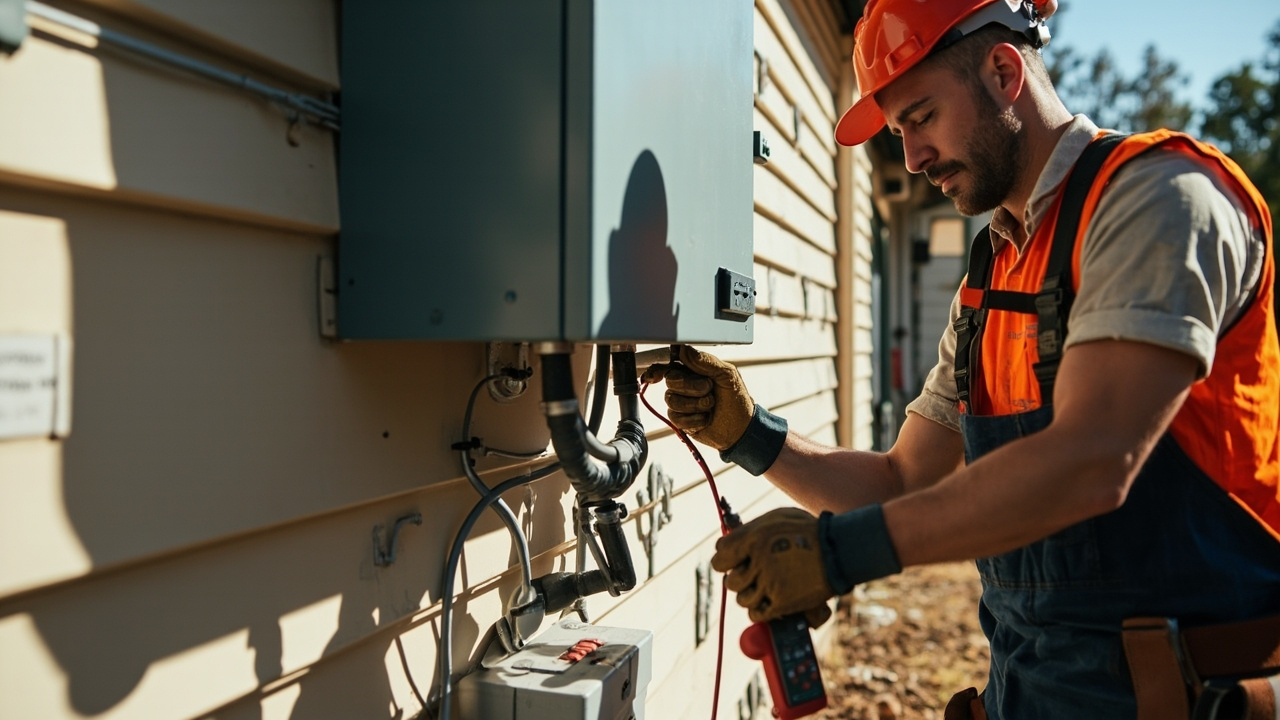
If the job involves the battery DC bus, the AC switchboard, or any interconnection between solar, batteries, generator, and the house wiring, the answer is a licensed sparky and (for grid-disconnection paperwork) your DNSP.
How many solar panels do I need to go off-grid in Australia?
For a typical household using 15–20 kWh/day, plan on a 5–9 kW array. In high-irradiance regions like Central Queensland you can run closer to the lower end; in Tasmania or southern Victoria, upsize.
Is LiFePO4 worth it over lead-acid for off-grid?
For new builds, yes. LiFePO4 depth-of-discharge allowance is much higher than lead-acid, the cycle life is several times longer, and there's no equalisation charging or acid handling. Lead-acid still wins on upfront dollars per kWh if the budget is tight.
Do I still need a generator if I have batteries?
Yes. A backup generator is typically recommended for extended low-solar periods or maintenance contingencies. Solar droughts happen — winter overcast weeks, smoke haze, equipment faults — and a generator is your safety margin when the battery buffer runs out.
What's the most common off-grid mistake?
Undersizing for AC load. Air conditioning load is the largest variable in sizing an off-grid system, and people routinely spec a battery bank around their lights and fridge, then discover the AC won't run for the four hours they actually need it.
Can I add an EV charger later?
Technically yes, financially painful. Retrofitting additional battery capacity to an existing off-grid system typically costs three to four times more than oversizing by one tier during initial installation. If an EV is even a 30% possibility, oversize now.
How do I know my actual daily kWh?
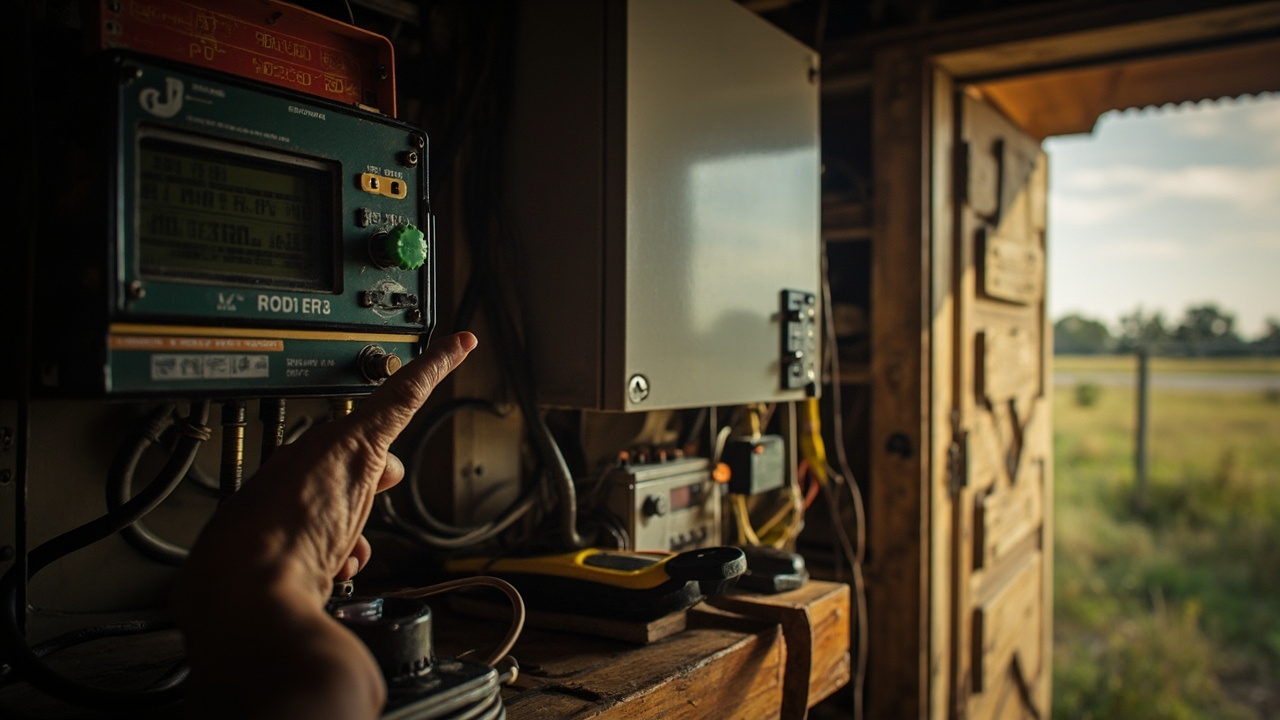
Read every appliance wattage label and estimate daily runtime hours to calculate accurate energy consumption before sizing a system. A plug-in energy meter on the fridge, washing machine, and entertainment circuits for a week will give you a real number instead of a guess.
Worth a watch: How Does an Off-Grid Solar System Work? Full Breakdown & Real-Life Examples | Commodore Australia · Commodore Solar