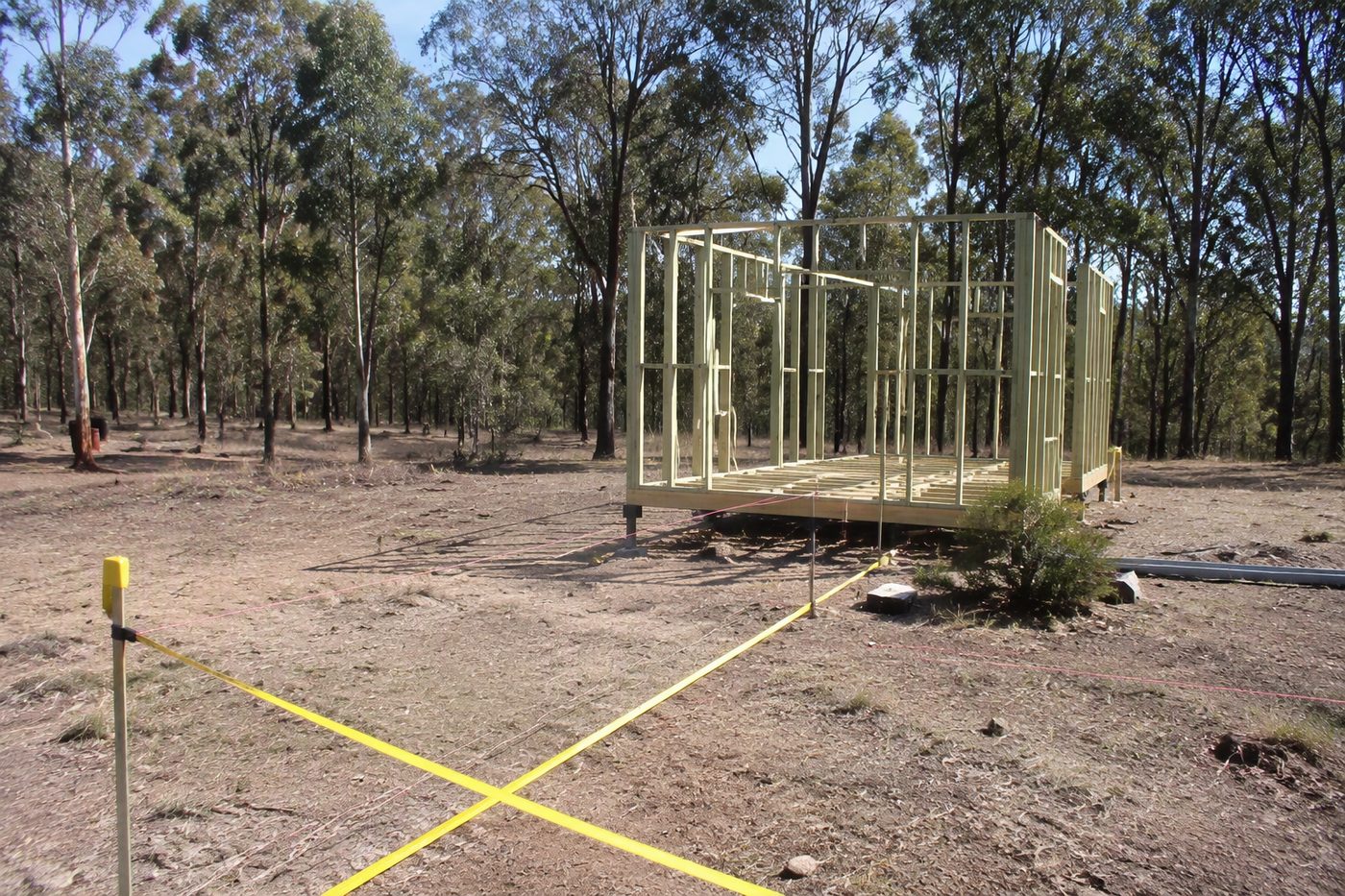
Look, if you're building a tiny home, shed or cabin off-grid in Australia, you're not exempt from permits. Stop hoping the council won't notice. They will. And they'll shut you down. Hard.
When You ABSOLUTELY Need a Permit
Tiny homes on wheels (THOWs): If it's over 20m², you need a permit. Under 20m²? Might get away with it in some councils, but don't bet your life savings on it.
Sheds & cabins: Over 10m²? Permit. Under 10m²? Sometimes. But councils are cracking down. A 9m² shed in Melbourne got pulled down last month because it was "too close to the boundary".
Off-grid systems: Solar, rainwater tanks, composting toilets? You need council approval for the setup. Don't just bolt it on and hope.
Biggest mistake: Thinking "off-grid" means "off the grid of rules". It doesn't. You're still in Australia. Councils don't care if you're off-grid. They care if you're breaking the building code.
Permit Costs (Aussie Reality Check)
Permit fees vary like a kangaroo in a thunderstorm. Expect:
Sheds (under 10m²): $200–$600 (depends on your council)
Tiny homes (20m²+): $1,000–$3,500 (yes, really)
Full plans + engineer sign-off: $500–$2,000 extra
Pro tip: Always get a quote from your council BEFORE you start. Don't waste $2k on plans only to find out your shed needs a $1k permit.
How to Avoid Getting Your Project Killed
Check your local council's online portal FIRST. Don't call. Go to your council website and search "building permits" or "small structures". They'll list exact size limits and requirements.
Use a council-approved builder. If you're doing it yourself, you still need to submit plans. A local builder (like Mitchell Build in NSW) can save you months of back-and-forth.
Don't hide your off-grid stuff. Tell the council upfront about solar, rainwater tanks, and composting toilets. Hiding it = instant rejection.
Size matters. If your shed is 9.5m², make it 9m². Better to be under than over. Councils don't do "close enough".
Off-grid kits:Off Grid Australia (they give council-compliant setup guides with every tank/solar order)
The Bottom Line
Permits aren't a hassle. They're the difference between a home and a $10k fire hazard. Skip them, and you'll be tearing it down while paying for the permit anyway. Do it right the first time. It's cheaper, faster, and stops you from being that guy who's got a $50k shed in the paddock with a "no permit" sign on it.
Stop dreaming. Start building legally. Your future self (and the council) will thank you.
When to Call a Professional
While many off-grid projects are achievable as DIY, certain situations require licensed professionals:
Electrical work beyond basic 12V DC additions — requires a licensed electrician
Structural modifications to buildings or load-bearing elements
Gas line installation or modification
Solar array installations above safe voltage thresholds
Any work that affects the structural integrity of your property
Always check local regulations and obtain necessary permits before commencing work.
It walks through the council submission checklist and calls out the common mistake of skipping a site‑specific engineering report, which is exactly the trap I see a lot of Aussie off‑gridders hit when they file their builds.— Mick O'Brien