Budget Off-Grid Build: How to Go Off-Grid Without Selling Your Car
Look, mate. Off-grid isn't free. But you don't need a shed full of cash to start. This is how we do it cheap in Australia – no fairy tales, just straight talk.
Look, mate. Off-grid isn't free. But you don't need a shed full of cash to start. This is how we do it cheap in Australia – no fairy tales, just straight talk.
Cheap Options (The Real Deal)
Forget the $20k solar setups. Here’s what actually works on a budget:
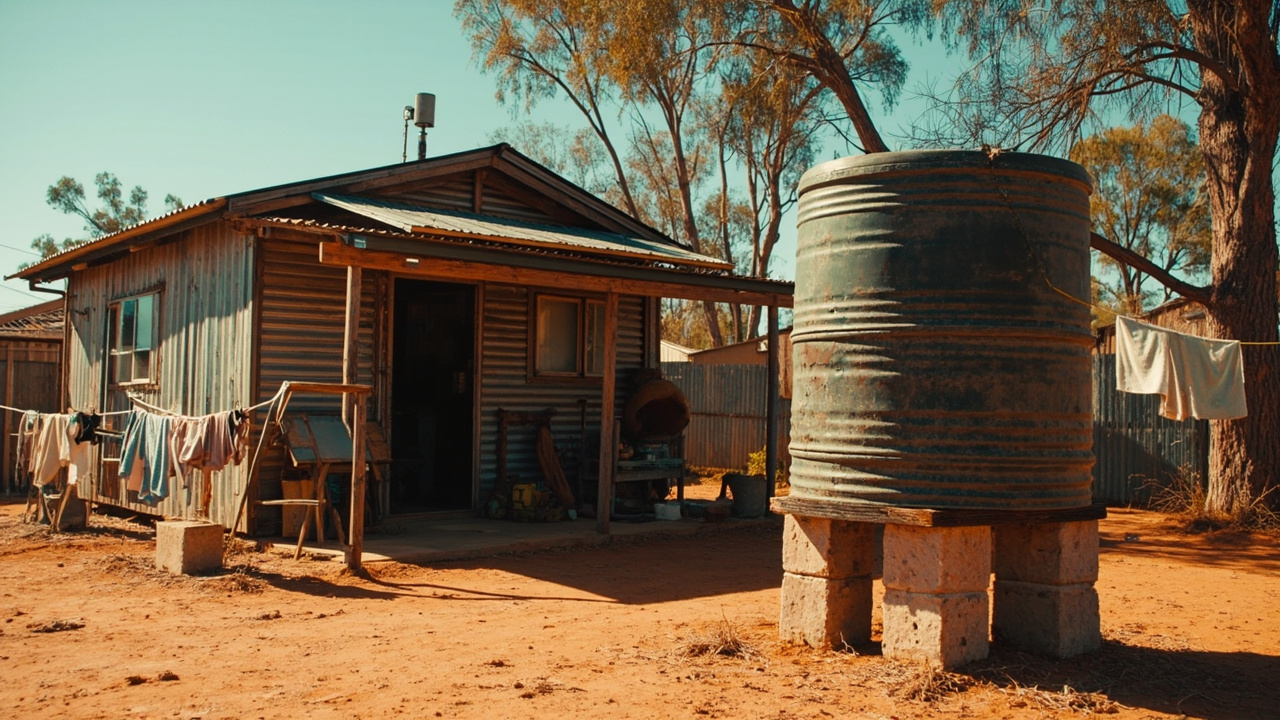
Secondhand solar, DIY tank stand, and tin shed
Solar: 2x 100W panels (not 300W) + basic charge controller. Total: ~$400-$600. Get them from Solar Wholesale or eBay Australia. Avoid "premium" brands – they’re overpriced.
Battery: 1x 100Ah lead-acid (not lithium). $250-$350. Battery World or Kogan. Yes, they’re heavy and need maintenance. But they’re cheap.
Water: Rainwater tank (200L plastic drum) + gravity feed. $150-$250. Bunnings or Aussie Tanks. No pumps. Just fill it up when it rains.
Waste: Compost toilet (no water). Compost Toilet Australia – $400-$600. Or DIY with a bucket and sawdust. $20. We’re not judging.
Key rule: Start small. Your first goal isn't "off-grid luxury" – it's "no power bill and a bucket of water." If you try to do it all at once, you'll burn out and sell your shed.
Tradeoffs (Don't Be Fooled)
Lead-acid battery? You'll need to top it up with water every 3 months. If you forget, it dies. Lithium is $1k+ more but lasts 5x longer. Cheap now, expensive later.
200L tank? You'll be hauling water from the creek if it doesn't rain for a week. No, you can't "just buy a bigger tank" – it costs $500+ and you're already broke.
No solar? You're using candles and a gas lamp. Yes, it's romantic until you're trying to read a book at 2am. Budget = no luxuries.
Phases (How to Actually Build It)
Phase 1: Survival (Weeks 1-4)
Get basic power + water. 2x 100W panels + lead-acid battery + 200L tank. Total cost: $700-$900. You’ll have lights, phone charging, and water for cooking. No shower. No fridge. But you won’t be sleeping in the car.
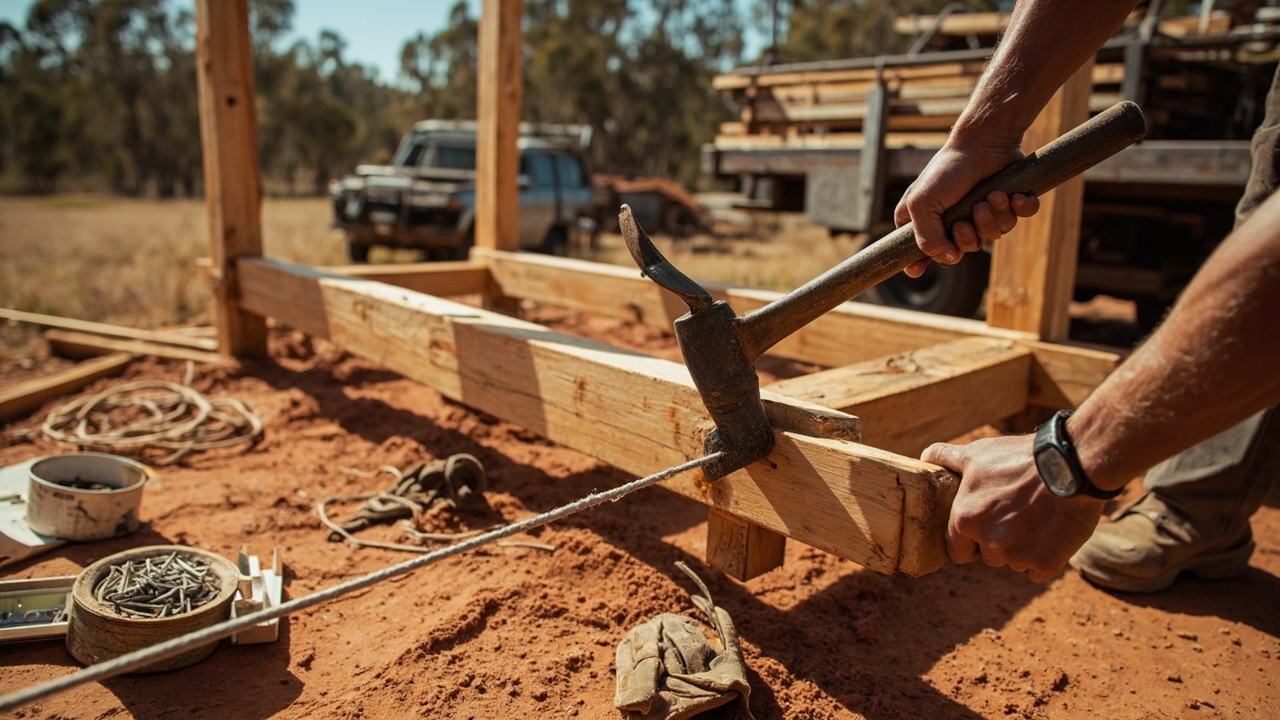
Hands mid-build, raised frame half finished in the bush
Phase 2: Comfort (Months 2-6)
Add a small fridge (12V, $200-$300 from Bunnings) and a solar shower ($50). Upgrade battery to 200Ah lead-acid ($400). Total extra: $550. Now you can keep beer cold and wash your hair.
Phase 3: Full Off-Grid (6+ Months)
Only add stuff you need. Solar pump for water? $300. Lithium battery? $1k+ (only if you’ve saved up). Don’t buy "off-grid luxury" – it’s a trap.
Practical Tips (Aussie-Style)
Steal from builders: Hit up Builders Warehouse for cheap timber scraps. $5 for a pallet of 2x4s. No need to buy new.
Second-hand is king: Check Facebook Marketplace for old solar panels. A 200W panel for $150? Yes. But test it first – no "it might work" deals.
Water = free: Use a $20 bucket to collect rainwater. No tank needed for the first month. You’ll learn fast why you need a tank.
Don't buy a generator: It’s $800+ and you’ll use it for 2 hours a week. Waste of money. Solar is cheaper long-term.
Australian Suppliers & Pricing (indicative prices)
Solar Panels (100W): Solar Wholesale ($350), eBay Australia ($250-$350). Total: $250-$350
Lead-Acid Battery (100Ah): Battery World ($280), Kogan ($220). Total: $220-$280
200L Water Tank: Bunnings ($180), Aussie Tanks ($150). Total: $150-$180
⚠️ SAFETY WARNING: Working with electrical systems, structural modifications, or gas installations carries inherent risks. If you are not confident in your abilities, always engage a licensed professional.
Will Prowse walks you through sizing a cheap 12V solar array and wiring it safely, which is the kind of practical, no‑nonsense detail you need when you're trying to keep costs down while going off‑grid.— Jenny Mills
When to Call a Professional
While many off-grid projects are achievable as DIY, certain situations require licensed professionals:
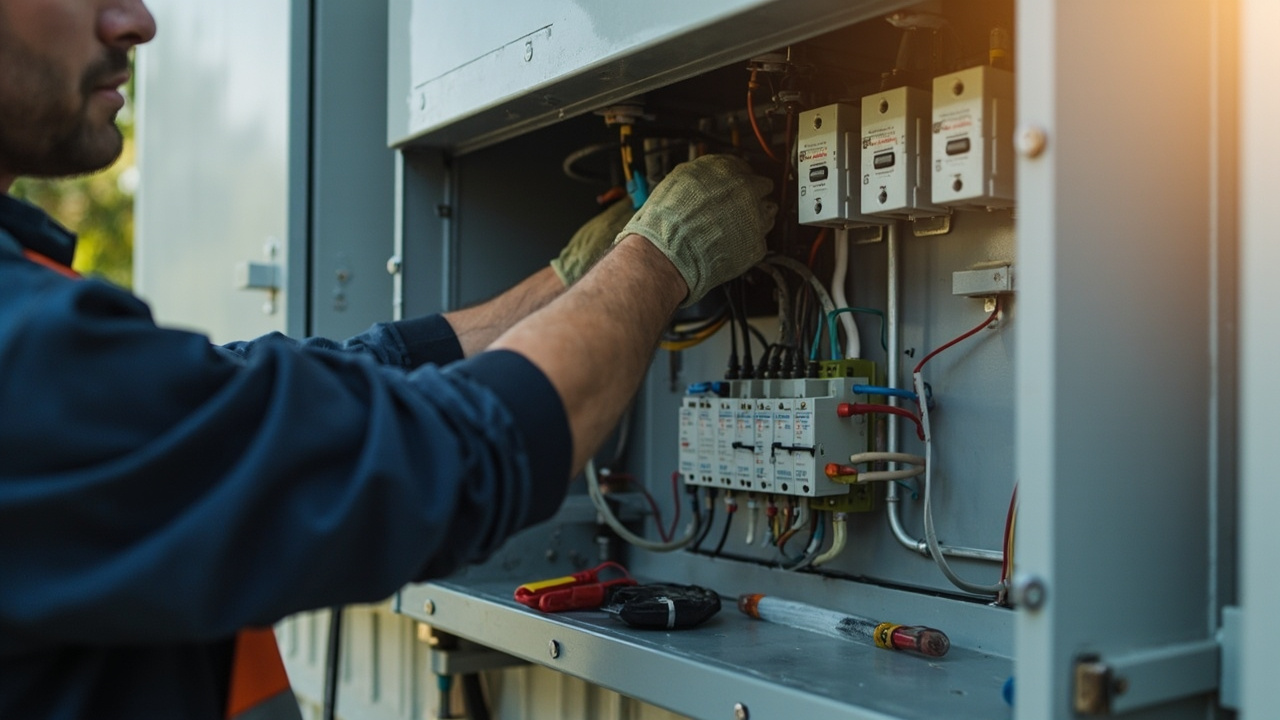
Licensed sparkie wiring a solar inverter correctly
Electrical work beyond basic 12V DC additions — requires a licensed electrician
Structural modifications to buildings or load-bearing elements
Gas line installation or modification
Solar array installations above safe voltage thresholds
Any work that affects the structural integrity of your property
Always check local regulations and obtain necessary permits before commencing work.