By Dave Miller · off-grid sparky · 22 years wiring solar, batteries and sheds in central QLD
“After losing my fridge to a 15% state of charge in a central Queensland winter, I learned that 20% isn't a warning-it's a death sentence.”
By Dave Miller · off-grid sparky · 22 years wiring solar, batteries and sheds in central QLD
“After losing my fridge to a 15% state of charge in a central Queensland winter, I learned that 20% isn't a warning-it's a death sentence.”
Look, if you're off-grid in Australia and don't know your battery's state of charge (SoC), you're gambling with your power. And your battery bank is the most expensive thing you own. Let's cut the fluff.
Look, if you're off-grid in Australia and don't know your battery's state of charge (SoC), you're gambling with your power. And your battery bank is the most expensive thing you own. Let's cut the fluff.
Everyone uses voltage tables. They're bullshit if you don't know the rules. Resting voltage only (no charge/discharge for 12+ hours). Temperature matters. And these are for 12V systems.
| Battery Type | 100% SoC | 75% SoC | 50% SoC | 25% SoC | Dead |
|---|---|---|---|---|---|
| Lead-Acid (Flooded/AGM) | 12.6V+ | 12.4V | 12.2V | 12.0V | <11.8V |
| Lithium (LiFePO4) | 13.6V | 13.2V | 12.8V | 12.4V | <12.0V |
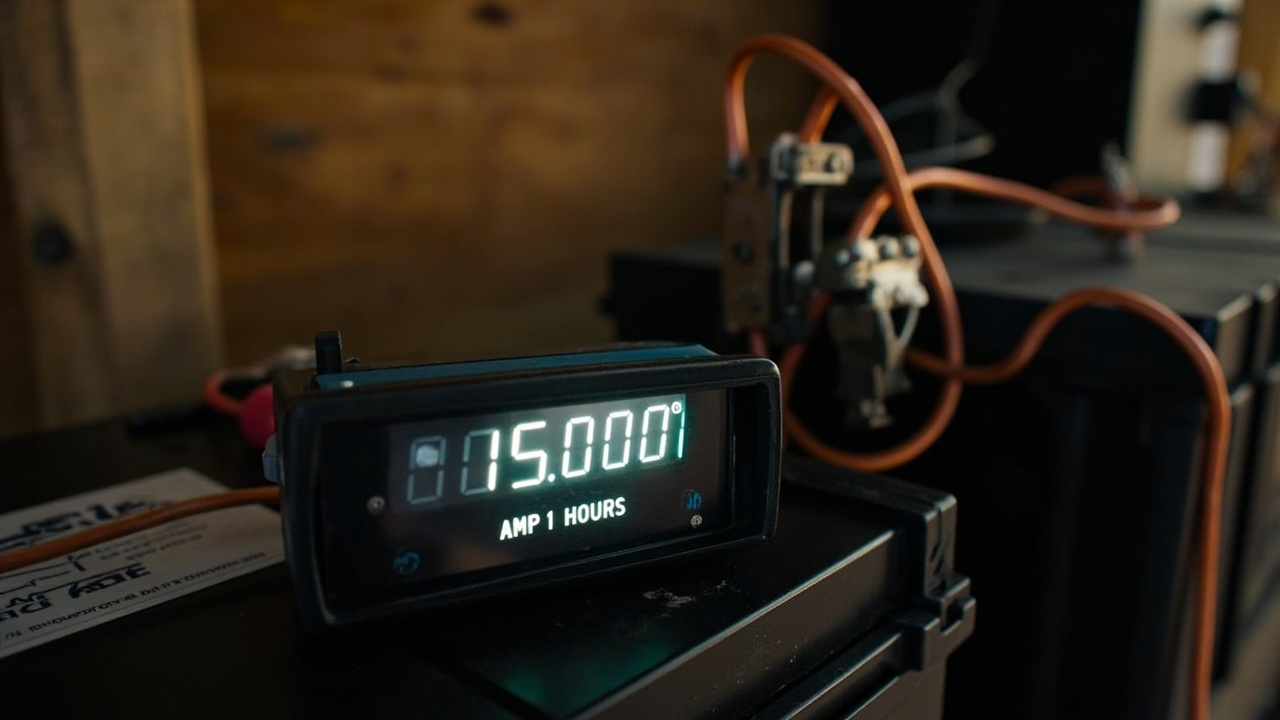
Voltage is a snapshot. Ah counting is the truth. Your charge controller tracks amps in/out. But you need a battery monitor. No excuses.
How it works: If you draw 50Ah from a 200Ah battery, it's 75% SoC. Simple. But it drifts over time (like a car odometer). You need to calibrate it.
Step 1: Get a proper battery monitor. Victron BMV-712 is the standard. $650-$750. No cheaper option works right.
Step 2: Calibrate every 3-6 months. Discharge to 50% (lead-acid) or 20% (lithium) then recharge fully. Let the monitor reset. Do this in summer when you're not relying on power.
Step 3: Cross-check with voltage. If your monitor says 60% but voltage is 12.4V (lead-acid), you're good. If voltage is 12.0V at 60% SoC? Your monitor is wrong. Fix it.
Victron BMV-712 (battery monitor)
$650-$750 from Victron Australia or Solar Wholesale
Renogy 100Ah LiFePO4 (lithium)
$1,200-$1,400 from Renogy Australia or Solar Wholesale
Trojan T-105 (lead-acid)
$800-$900 from Battery World or Solar Wholesale
Note: Prices fluctuate. Check Solar Wholesale first - they're the cheapest for bulk. Don't pay $1,500 for a Renogy pack when you can get it for $1,250.
Stop guessing. Get a Victron monitor. Calibrate it. Use Ah counting as your primary SoC method. Check voltage only for quick sanity checks. And for fuck's sake, don't let your battery die. It's not a "nice to have" - it's the difference between a working off-grid system and a $5k replacement bill.
While many off-grid projects are achievable as DIY, certain situations require licensed professionals:
Always check local regulations and obtain necessary permits before commencing work.
Worth a watch: Charging chaos: no charge despite full sunshine. MPPTs out of control! · Off-Grid Garage