Look, if you've got dead batteries from your off-grid setup, you can't just chuck them in the bin. It's illegal, it's bad for the environment, and it's just plain lazy. Here's how to do it right. No fluff.
By Dave Miller· off-grid sparky · 22 years wiring solar, batteries and sheds in central QLD
“After burning out three cheap lead-acids in my central QLD shed, I learned that recycling isn't just duty-it's the only way to save my next $1,200 battery investment.”
Drop-Off Points: Where to Dump Your Batteries
Forget the hassle. These are the real places you can take your batteries (no appointment needed, mostly):
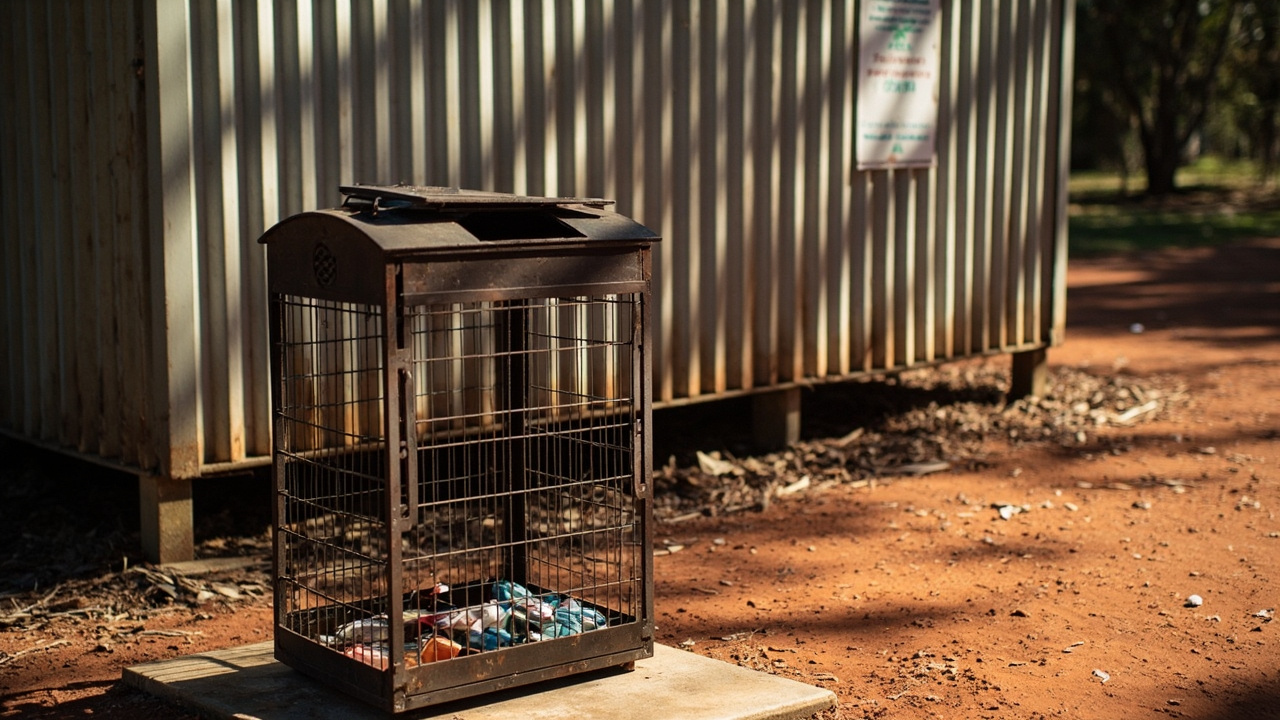
Battery drop-off cage at a rural tip shop
Battery World: All stores take back old lead-acid and lithium batteries when you buy new. Free. Bring your old one. (Check locations: batteryworld.com.au)
Local Councils: Most have household chemical drop-offs at transfer stations. Call your council first — some only take lead-acid, not lithium. Free. (Search "[Your Council] battery recycling")
Recycle Right: For lithium batteries (like from your solar setup), use Recycle Right. Find drop-off points near you. Free.
Australia Post: Only for small batteries (AA, AAA). Not for your 100kg lead-acid. Don't bother.
Don't try to take a 100kg lead-acid battery to Coles. It's not going to happen. Take it to Battery World or your council.
Chemistries: What You're Actually Recycling
Not all batteries are the same. Know what you've got:
Lead-Acid (Flooded, AGM, Gel): Your standard off-grid solar battery. Heavy, but easy to recycle. Take to Battery World or council.
Lithium (LiFePO4, NMC): Newer, lighter, longer-lasting. But they're tricky. Use Recycle Right or take to Battery World when buying new.
Other (NiCd, NiMH): Rare in off-grid. If you've got them, take to council. But you probably don't.
If you're not sure what chemistry your battery is, check the label or ask the supplier. If it's a big battery (over 5kg), don't try to carry it alone. Get help.
Regulations: The Law, Straight Up
Under the Waste Avoidance and Resource Recovery Act 2001 (and state laws), you must recycle batteries. It's not optional. If you dump them, you can get fined up to $10,000 in some states. Seriously.
Also: You can't take them to landfill. Ever. Not even if you're in the middle of nowhere. There's no "outback exemption".
Practical Tips: How to Not Be a Dick
Don't wait: Old batteries degrade. If they're dead, get them recycled now. Don't leave them in your shed for years.
Check the label: If it says "Do not dispose of in general waste", you're in the clear. But if it doesn't, still recycle it. Better safe than fined.
Get a receipt: When you recycle, ask for a receipt. Some councils and Battery World give you one. It's proof you did it right (in case the EPA checks).
Don't pay for recycling: Legit recycling is free. If someone asks for money to take your battery, it's a scam. Walk away.
Suppliers & Pricing: New Batteries & Recycling
When you buy new batteries, most suppliers will take your old one back for free. Here's the real deal on pricing (as of 2023):
Lead-Acid (12V 100Ah): $300-$500. Battery World: $350-$450. They'll take your old one back.
Lithium (12V 100Ah LiFePO4): $1,000-$2,000. Suppliers like Solar Batteries or Battery World sell them. They'll take your old battery back when you buy new.
Recycling cost: Zero. It's free. If you're paying, you're being ripped off.
Tip: When buying new, ask "Do you take back old batteries?" If they say yes, you're good. If they say no, go somewhere else.
Final Word: Recycling your batteries isn't hard. It's free. And it's the law. Do it. Your kids (and the environment) will thank you. Now go recycle.
⚠️ SAFETY WARNING: Working with electrical systems, structural modifications, or gas installations carries inherent risks. If you are not confident in your abilities, always engage a licensed professional.
The SolarQuotes video cuts through the marketing fluff and lays out exactly what you need to look for in a home battery, including the real cost of disposal and the new recycling incentives in Australia.— Dave Miller
When to Call a Professional
While many off-grid projects are achievable as DIY, certain situations require licensed professionals:
Electrical work beyond basic 12V DC additions — requires a licensed electrician
Structural modifications to buildings or load-bearing elements
Gas line installation or modification
Solar array installations above safe voltage thresholds
Any work that affects the structural integrity of your property
Always check local regulations and obtain necessary permits before commencing work.