Battery Desulfation: Fixing Your Off-Grid Battery (No Bullshit)
Sulfation is why your off-grid battery died after 3 months. It's not magic. It's chemistry. And it's killing your bank. Here's how to fix it without wasting money.
Sulfation is why your off-grid battery died after 3 months. It's not magic. It's chemistry. And it's killing your bank. Here's how to fix it without wasting money.
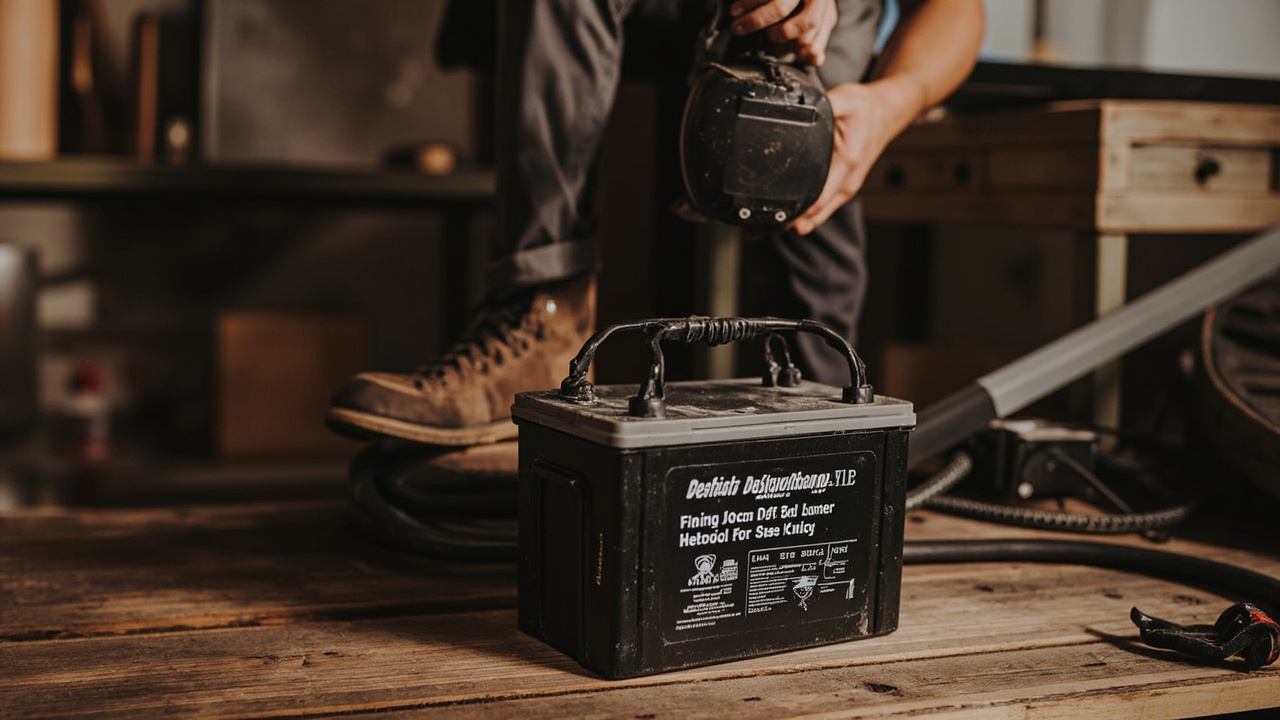
Desulfation workflow: test voltage, check electrolyte, apply pulse charge, retest - plus realistic expectations.
Pulse Charging: The Only Real Fix (Mostly)
Pulse chargers send short, high-voltage bursts to break sulfate crystals. Works on mild sulfation. Doesn't work on dead batteries.
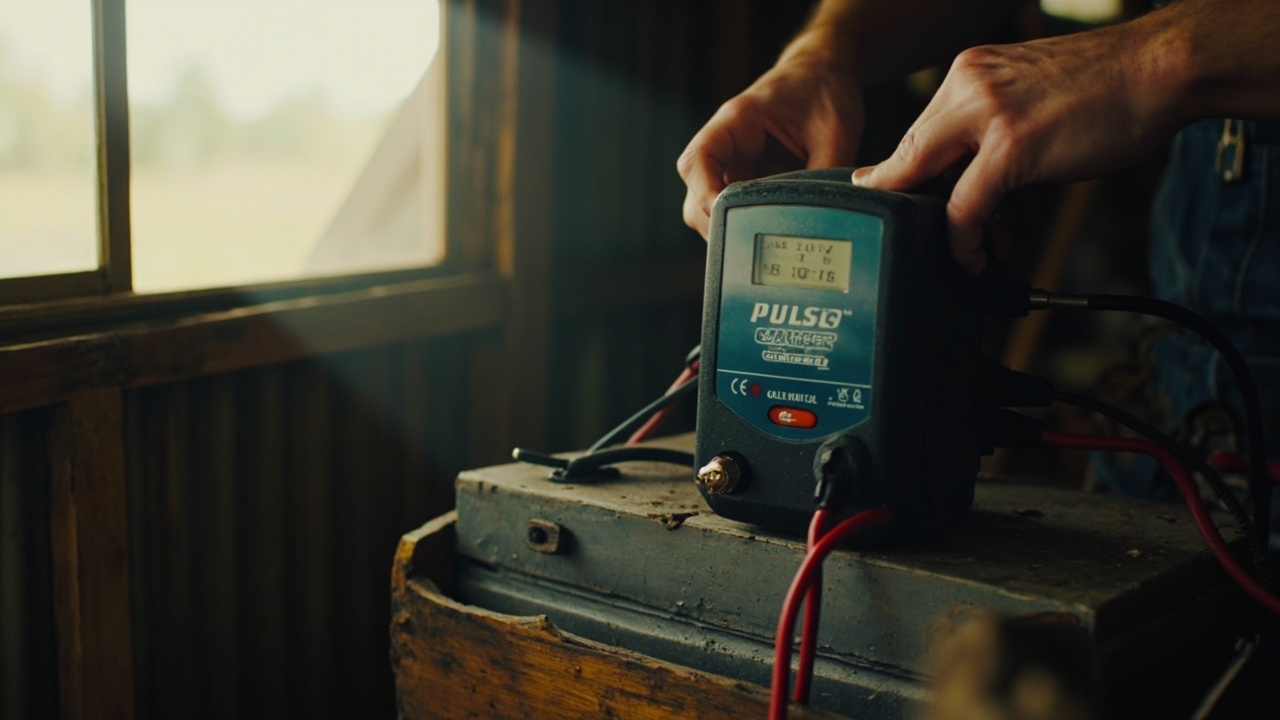
Pulse charger attached to sulfated off‑grid battery
Effectiveness: Gets 20-30% capacity back if battery still holds some charge. If it's dead (voltage below 12.0V), pulse charging is a waste of time.
Australian suppliers:
Victron Energy MultiPlus-II (with built-in desulfation): $2,500-$3,500. victronenergy.com.au
Generic pulse chargers (e.g., from Bunnings): $80-$120. Works if battery has >12.2V.
Practical tip: Only use pulse charging if your battery reads 12.2V+ when fully charged. If it's below 12.0V, replace it. Wasting $200 on a dead battery is stupid.
Chemical Treatment: Don't Even Bother
Adding Epsom salt (magnesium sulfate) or battery additives to "fix" sulfation. Manufacturers hate this. It's a scam.
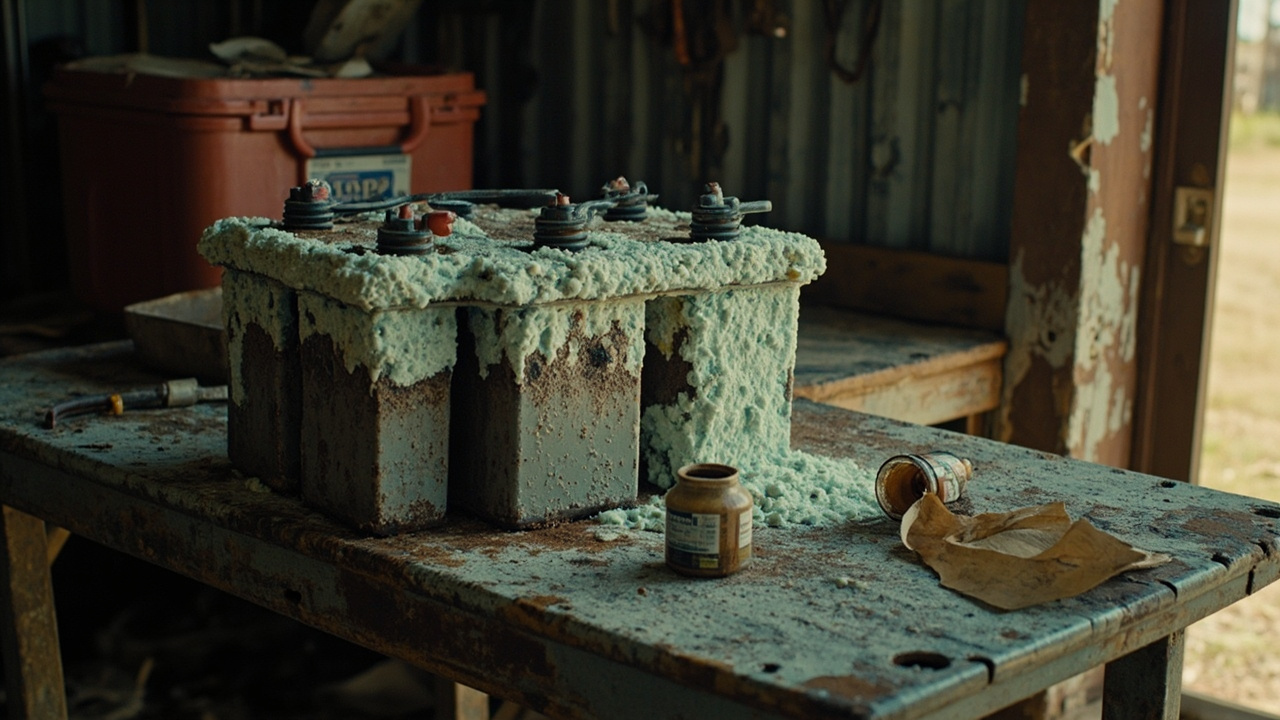
Caked residue from failed chemical battery treatments
Effectiveness: Temporary 5-10% capacity boost at best. Usually voids warranty. Often makes batteries worse.
Severe sulfation (battery dead): 0% restoration. You're better off replacing it.
Chemical treatment: 5-10% boost for 1-2 months. Then it's dead again.
Bottom line: If your battery is over 3 years old, desulfation won't save it. Buy a new one. $1,000 for a new 100Ah AGM is cheaper than $200 on a dead battery.
Real Australian tip: If you're off-grid and not using the battery for weeks, charge it to 100% every 2 weeks. Prevent sulfation before it starts. It's $0 and saves $1,000.
Where to Buy in Australia (No Fluff)
Victron: Best for serious off-grid. $2,500+ but lasts 10+ years. victronenergy.com.au
Renogy: Cheap pulse charger. $160. Works if battery has >12.2V. renogy.com.au
Bunnings: Get a $20 smart charger (e.g., "Enerdrive"). Better than pulse charging for maintenance. Don't buy Epsom salt.
Final Word
Desulfation is for mildly sulfated batteries. Not for dead ones. Pulse charging works if you act fast. Chemical treatments are a scam. Australian suppliers have the tools — but don't waste money on hope. If your battery's dead, replace it. Your off-grid system won't run on wishful thinking.
⚠️ SAFETY WARNING: Working with electrical systems, structural modifications, or gas installations carries inherent risks. If you are not confident in your abilities, always engage a licensed professional.
He walks through the whole desulfation process with a simple 555‑timer pulse circuit, showing the exact wiring, charge‑discharge cycling and voltage‑gravity readings that prove the sulfation clears – the step‑by‑step matches what I describe in the guide.— Dave Miller
When to Call a Professional
While many off-grid projects are achievable as DIY, certain situations require licensed professionals:
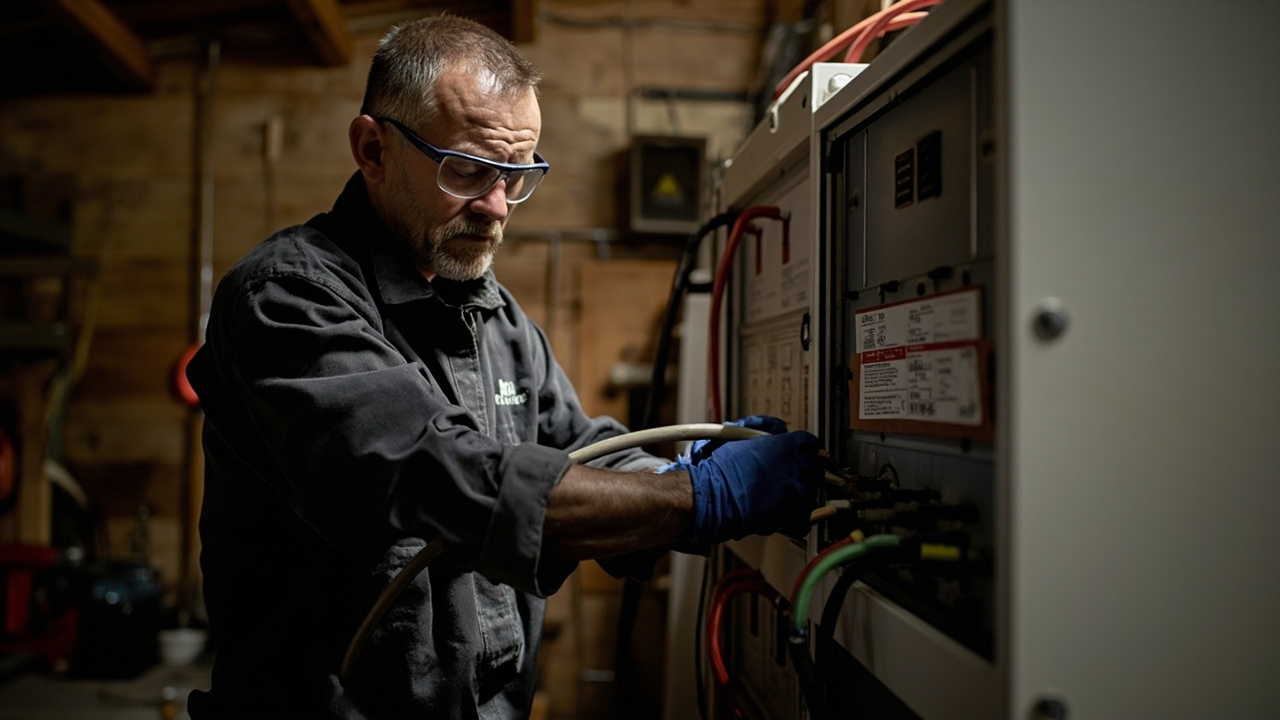
Professional technician connecting battery bank in off‑grid shed.
Electrical work beyond basic 12V DC additions — requires a licensed electrician
Structural modifications to buildings or load-bearing elements
Gas line installation or modification
Solar array installations above safe voltage thresholds
Any work that affects the structural integrity of your property
Always check local regulations and obtain necessary permits before commencing work.