Choosing a Backup Generator for Off-Grid Solar Systems
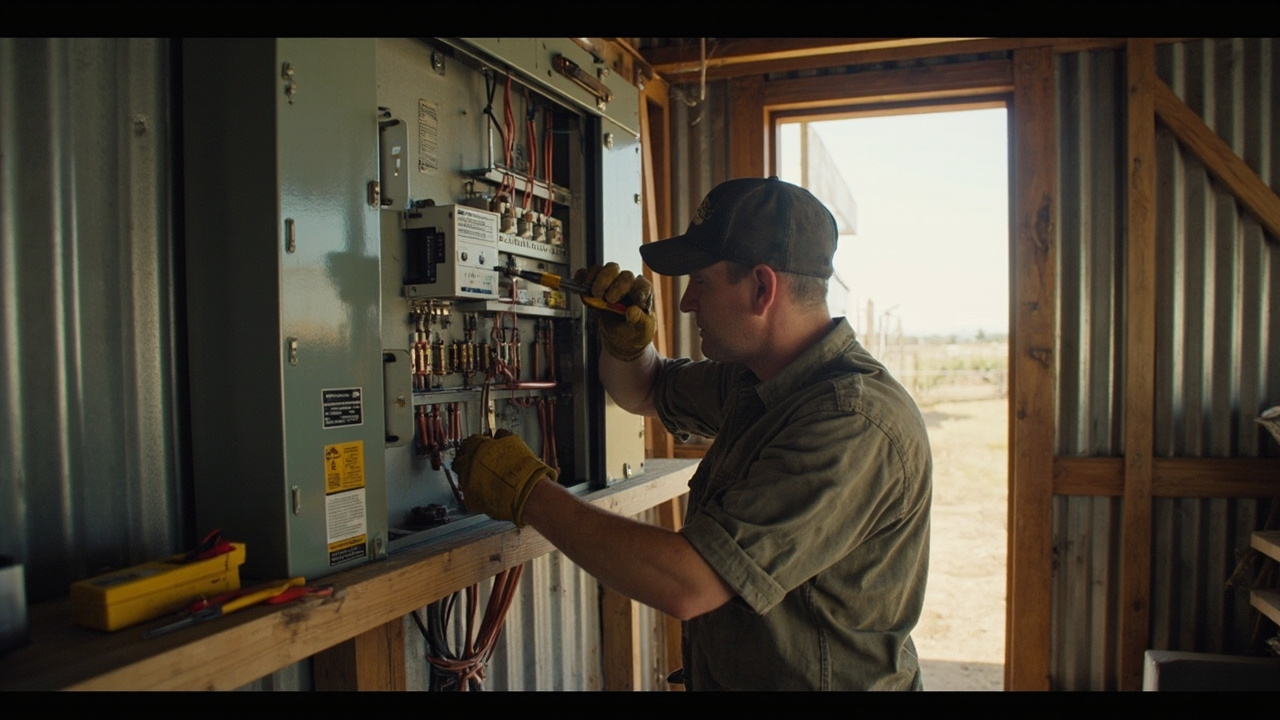
Out here in central QLD, even a well-engineered off-grid solar system stalls. Cloudy weeks drag on, a winter heater spikes the load on a cold morning, or a piece of equipment fails — any of it will flatten your batteries. I treat a backup generator as essential insurance, mate, for staying live. The right unit, sized to your load and wired properly into your solar array, is what keeps the lights on when the sun quits.

By Dave Miller · off-grid sparky · 22 years wiring solar, batteries and sheds in central QLD
“After losing a 1200Ah bank in a single QLD summer, I learned that no backup generator can save you if your battery bank has no thermal protection.”

Why I Added a Backup Generator to My Off-Grid Solar System
Even the best off‑grid solar in central QLD can drop out during a long cloudy stretch, a heavy winter load, or when a component fails. A backup generator isn’t a luxury; it’s the insurance that keeps the fridge cold and the lights on. I learned that the hard way on a Queensland job where a cheap 3 kW Chinese inverter‑generator combo that cost $850 blew its engine within two weeks because the load spike from a heat pump exceeded its surge capacity. I’ll show you how to size and integrate a generator that can handle the real surge, not just the sticker rating.
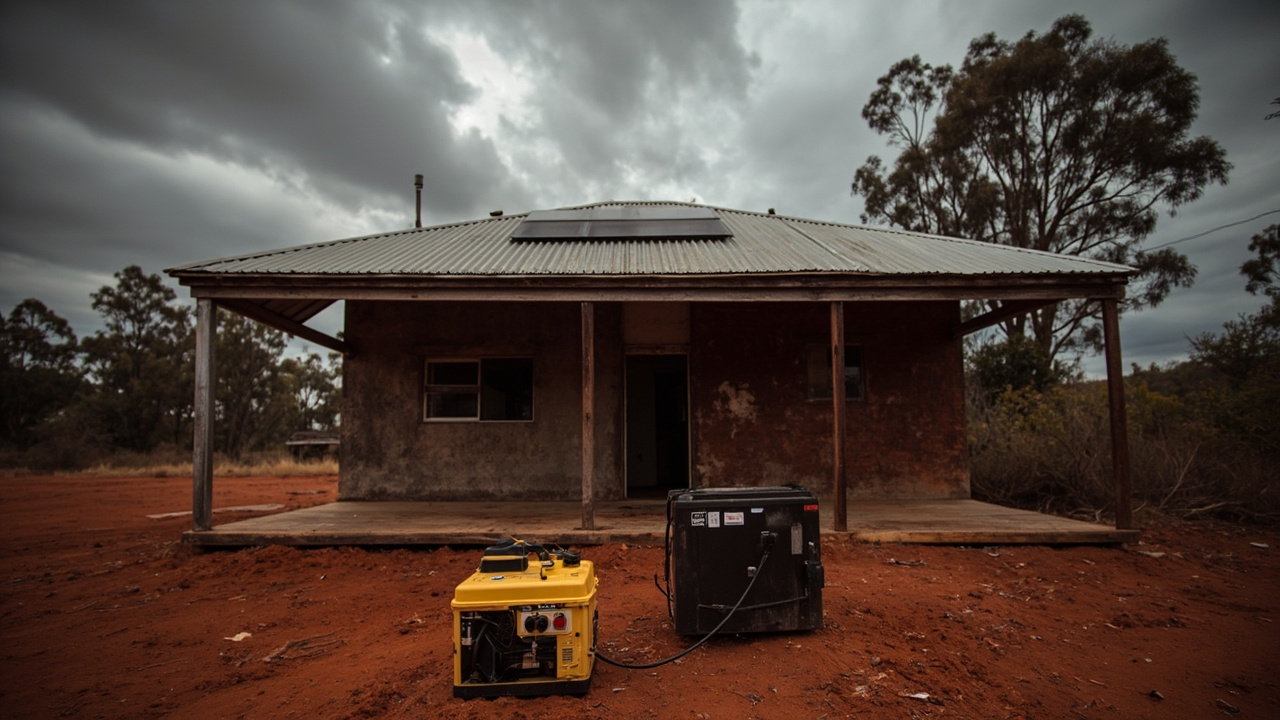
I run the generator to back up the solar, not replace it. It only fires up when the batteries are flat and the panels have no hope of catching up before dark. Once the volts come back up, I shut it down.
Generators I've Actually Wired and Run
Portable Generators
Best for: Occasional backup, smaller systems, budget-conscious users
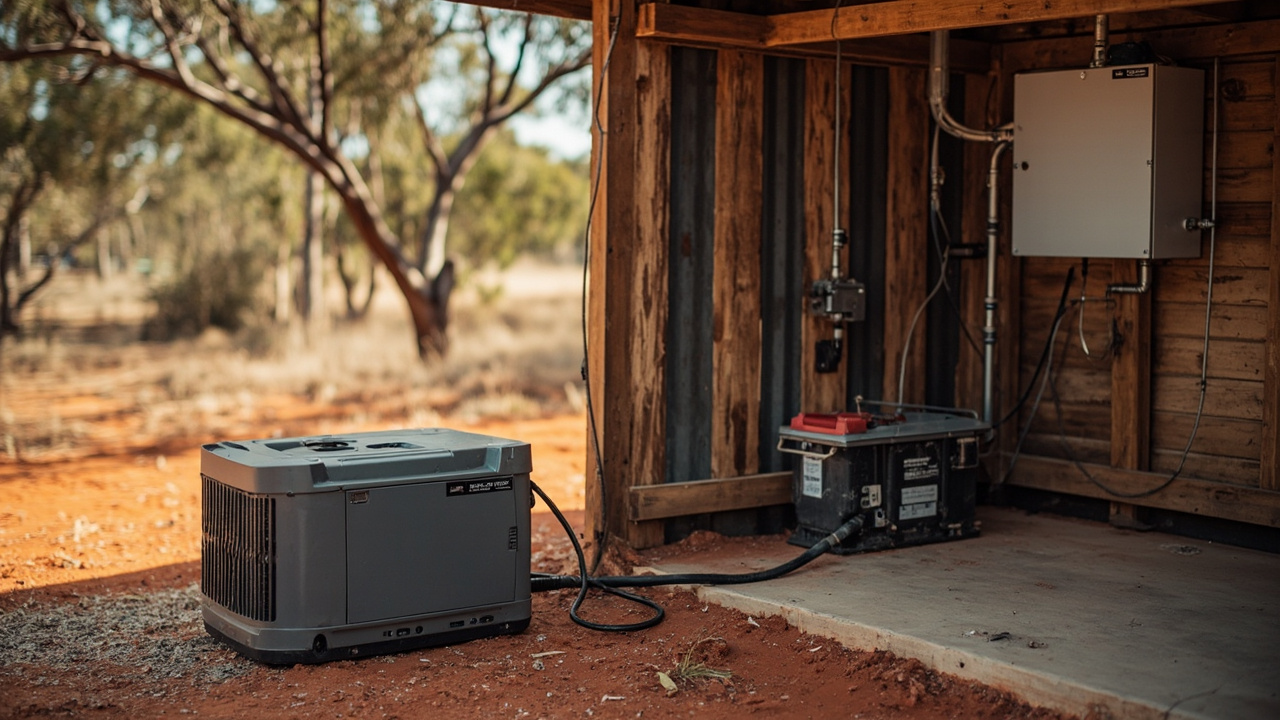
- Honda EU2200i: Quiet, reliable, 2200W, perfect for small systems View on Amazon
- Champion 3400-Watt Dual Fuel: Runs on propane or gasoline View on Amazon
- Westinghouse iGen4500: Higher output, still portable View on Amazon
Standby Generators
Best for: Full-time off-grid homes, automatic operation, whole-house backup
- Generac Guardian Series: 10-24kW, automatic transfer switch View on Amazon
- Kohler RESV: Commercial-grade reliability View on Amazon
- Cummins QuietConnect: Low noise, high efficiency View on Amazon
What Each Fuel Type Actually Does to a Generator After 5,000 Hours
| Fuel Type | Storage Life | Cost per kWh | Best For |
|---|---|---|---|
| Propane | Unlimited | $0.15-$0.25 | Occasional use, long-term storage |
| Gasoline | 12 months (with stabilizer) | $0.20-$0.35 | Portable units, emergency backup |
| Diesel | 12-24 months | $0.15-$0.30 | Heavy use, large systems |
Sizing the Genny to Match Inverter Surge, Not Running Watts
Your generator needs to handle both charging your battery bank AND powering AC loads simultaneously.
Sizing the Genny to the Inverter's Surge, Not the Box
Generator Size = Battery Charger Load + Running AC Loads + 20% Margin
Example: With a 100A battery charger at 120V (12kW) plus 2000W of AC loads:
12,000W + 2,000W = 14,000W × 1.20 = 16,800W minimum generator
Generator Output for Different System Sizes
- Small Cabin: 3000-5000W generator
- Medium Home: 7000-12000W generator
- Large Home: 15000-25000W generator
Wiring My Generator Into the Solar Array
- AC Coupling: Generator connects to inverter/charger, charges batteries through the inverter
- DC Charging: Some generators have DC outputs for direct battery charging (less efficient)
- Auto-Start: Inverter can automatically start generator when battery voltage drops
- Exercise Schedule: Standby generators should run weekly to maintain readiness
Inverter/Charger Combos I've Wired in Central QLD
- Victron Quattro: Built-in generator auto-start support View on Amazon
- Outback Radian: Generator input with programmable settings View on Amazon
- Magnum ME Series: Works with external generator control modules View on Amazon
How I Store Fuel So It Still Works Months Later
- Propane: Store in approved tanks, inspect annually, never store indoors
- Gasoline: Use approved containers, add stabilizer, rotate every 6-12 months
- Diesel: Treat with biocide and stabilizer, water separators recommended
- Carbon Monoxide: NEVER run generators in enclosed spaces or near windows
- Fire Safety: Keep extinguishers nearby, store fuel away from living areas
Safety Warnings
- Carbon Monoxide Kills: 170+ deaths annually from generator exhaust. Always operate outdoors, 20+ feet from buildings.
- Electrocution Risk: Never connect portable generators directly to household wiring without proper transfer switch.
- Fire Hazards: Hot exhaust and sparking can ignite fuels. Clear area of flammables.
- Backfeeding Danger: Improper connections can electrocute utility workers.
- Propane Leaks: Check connections regularly with soapy water. Propane is heavier than air and pools in low areas.
Operating Costs
| Generator Type | Fuel Consumption | Cost per Hour | Annual Maintenance |
|---|---|---|---|
| 3500W Portable (gas) | 0.25 gal/hr | $0.75-$1.00 | $100-200 |
| 8000W Standby (propane) | 1.0 gal/hr | $2.00-$3.00 | $300-500 |
| 20kW Standby (propane) | 2.5 gal/hr | $5.00-$7.50 | $400-600 |
FAQ
Firing Up the Generator: What It's Actually Doing at My Place
Run it monthly, 30 minutes under load — non-negotiable. Propane units stretch further between exercise cycles than petrol sets. I've clocked that pattern across enough sites to back it without hesitation.
Three Gensets, One House: The $850 Unit That Blew Its Engine
Size the genny to the battery bank, not the house. Every off-grid system I've wired in central QLD runs the genny for two jobs: topping up the batteries and covering essentials when the sun isn't working. I fit an automatic transfer switch on every install. No point burning diesel to power the whole house when solar should be carrying the base load.
How long propane actually sits in central Queensland sheds
Propane doesn't degrade, so tanks last indefinitely if properly maintained. Have tanks recertified every 10 years.
The $850 "Quiet" Generator: What Failed and What I'd Buy Instead
I've put plenty of hours on the Honda EU series – they sit at 49‑58 dB, about the racket of a decent dishwasher. Inverter units are the only generators I'll run near a house after dark without a neighbour over the fence. For the bigger standby sets, a proper enclosure kit can drag the noise down to something you can live with.
Why propane, not gasoline, runs my off-grid backup
Propane's what I run for occasional use—the fuel keeps indefinitely and burns cleaner. When the generator's getting frequent runs, diesel takes over. Nothing touches it for efficiency.
Conclusion
A week of grey skies flattened my battery bank, and the inverter was gasping on its last legs — that was the morning I realised a backup generator belongs in every off-grid setup. I'd built the array around average sun, but a February storm taught me the genny has to match the loads I can't shed and how often I'm willing to drag a cord. The right unit comes down to three things: the climate I work in, the wattage I need to keep alive, and how often I'm prepared to fire it up.
For more off-grid system design guidance, visit OffGridMasterPlan.
Worth a watch: Adding a Backup Generator to Off-Grid Solar System · Cleversolarpower by Nick
Disclosure: some links in this article are affiliate links. If you buy through them we may earn a small commission at no extra cost to you.